18 Chapters • Approximately 2.5 Hours Reading Time
Making DREAMS REAL
THE ART OF TURNING A VISION INTO REALITY
“The goal isn’t to create a brand.
The goal is to make a dream real.”
By Rahul Panchal
Making Dreams Real: The Art of Turning a Vision into Reality is a founder memoir about creativity, purpose, and the lifelong journey of bringing ideas into the world. Through eighteen interconnected chapters inspired by the structure of the Bhagavad Gita, Rahul Panchal shares stories from a career spent helping founders build companies, brands, movements, and meaningful lives. Part founder story, part spiritual autobiography, and part philosophy of creation, the book explores how vision emerges, why certain dreams refuse to leave us alone, and what it takes to transform something invisible into something real.
Rahul Panchal is a creative director, founder, and brand strategist who has spent more than two decades helping founders turn vision into reality. His work has spanned global brands, startups, nonprofits, and mission-driven organizations, but his deepest interest has always been the same: helping people recognize what is trying to emerge and giving it form. He is the founder of Clarity Decoded, a strategic branding and design consultancy dedicated to helping founders make their dreams real.
Most founders think they need a better logo, a better website, or a better marketing strategy.
What they actually need is the ability to recognize the dream beneath the business.
To see what is trying to emerge.
To trust it.
And to make it real.
Because every meaningful thing begins as something invisible.
A feeling.
An idea.
A vision.
The work of a founder is turning that vision into reality.
This book is for:
• Anyone carrying a dream that refuses to leave them alone.
• Founders trying to turn vision into reality.
• Creatives searching for the deeper purpose behind their work.
• Builders standing between what exists and what could exist.
• People learning to trust the quiet voice that keeps calling them forward.
• Anyone trying to understand the gift life keeps asking them to express.
A Note From Rahul
I didn’t set out to write a book. I started writing to better understand my own work, my own life, and the patterns that seemed to follow me wherever I went. The same questions kept appearing in different forms. Why do some people see things before others do? Why do certain ideas refuse to leave us alone? Why are some founders compelled to build something that does not yet exist? Why does life keep returning us to the same lessons until we finally understand them? As I followed those questions, a deeper pattern emerged. What first appeared to be separate stories about creativity, branding, entrepreneurship, spirituality, family, and purpose were all pointing toward the same thing.
The journey of bringing something invisible into the world. This book is the result. My hope is that it helps you recognize something that may already be trying to emerge through your work, your company, or your life. A vision. A gift. A dream. Something only you can bring into reality.
Rahul Panchal
Introduction
Every meaningful thing appears three times.
First as something invisible. A hunch. A feeling. A dream. An intuition that cannot yet be explained. Like ether, it has no shape, no boundaries, and no proof. It exists only as potential.
Then as something visible. A sketch. A conversation. A presentation. Like water, it begins to take form. It can be shaped, refined, shared, and understood by others.
Then as something real. A prototype. A product. A company. Manufacturing. Distribution. Customers. A movement that exists in the world. Like earth, it becomes tangible. What once existed only as a possibility can now be touched, experienced, and passed from one person to another.
This book is about the transitions between those states. The art of turning a hunch into your reality.
Chapter 1
Diamond

My mother kept the drawing for years. It wasn't much to look at. A few uncertain lines made with a thick crayon by a child who had barely learned to walk. The paper had yellowed around the edges by the time she showed it to me as an adult. To anyone else it might have looked like random marks. To her it was something else entirely.
"Do you know what this is?" she asked.
I looked at the page. "No."
"You drew this when you were nine months old."
I laughed. "Nobody draws at nine months old."
She smiled. "You did."
Then she pointed at the shape in the center of the page. "That's an apple."
The strange thing was that she wasn't exaggerating. The shape actually resembled an apple. Not perfectly. Not realistically. But unmistakably. The stem was there. The rounded form was there. The intention was there.
What startled me most was not the drawing itself. It was the timing. At nine months old, I could not clearly say the word apple. I could barely communicate at all. Yet somehow I could draw one.
For years I treated this story as a family anecdote. One of those charming stories parents tell about their children, the kind of thing everyone politely smiles at during holiday gatherings. Only recently have I begun to understand its significance. Before I could explain what I saw, I was trying to show it. Before language arrived, there was image. Before description, there was form. Before articulation, there was vision. The gift arrived before the vocabulary needed to describe it.
At the time, of course, none of this mattered to me. I was a child. Children do not spend much time analyzing themselves. They simply express what is already present. Drawing felt as natural as breathing. There was never a moment when I decided to become an artist. I simply drew. Constantly. Every available surface became an opportunity. Paper. Notebooks. Margins. Scraps. Anything I could find. While other children played with toys, I often found myself absorbed by pencils, markers, and crayons. Hours would disappear. Entire afternoons vanished into the act of making something visible.
My mother encouraged it. Not in the way ambitious parents sometimes encourage talent. She wasn't trying to build a prodigy. She simply paid attention. She sat beside me. Drew with me. Made space for it. Treated it as something worth nurturing. The encouragement felt effortless at the time. Only later did I realize how rare that is. Many gifts disappear because nobody notices them. Mine was noticed. My mother saw it first. Others followed.
In kindergarten, one of my teachers became fascinated by my drawings. I don't remember much about the experience. I was too young. What I remember is hearing the story afterward. The teacher was attending college while teaching kindergarten. At some point she began bringing examples of my artwork into her university classes. College students studied the drawings. Analyzed them. Discussed them. I had no idea any of this was happening. I was five. I was probably more interested in recess. Yet even then, something was becoming visible to the adults around me. Something they could see more clearly than I could.
This would become a recurring pattern throughout my life. Other people recognized the gift before I did. At first, that sounds strange. How could someone not recognize the thing they spend their entire life doing? The answer is simple. When something comes naturally, it often becomes invisible. Fish do not notice water. People do not notice breathing. And I did not notice seeing.
I assumed everyone experienced the world the way I did. I assumed everyone could look at a situation and immediately identify the underlying pattern. I assumed everyone could look at a blank page and see possibilities. I assumed everyone could look at a complicated idea and instinctively simplify it. It never occurred to me that what felt ordinary to me might be unusual. Children rarely recognize their gifts. They assume everyone possesses them.
My father noticed. Perhaps even more clearly than I did. Every Saturday he would drive me an hour each way to oil painting lessons. Two hours in the car. Every week. For years. At the time, I treated it as normal. Children rarely understand sacrifice while it is happening. Only later do they recognize it. As an adult, I sometimes think about those drives. The early mornings. The traffic. The commitment. The countless Saturdays. He never complained. Never framed it as an inconvenience. He simply drove. Week after week. Year after year.
The classes themselves felt magical. The smell of linseed oil. The texture of canvas. The quiet concentration of artists standing before easels. I learned how light behaved. How shadow behaved. How color behaved. Most importantly, I learned how to see.
People often think painting is about putting color onto a canvas. It isn't. Painting is about observation. You begin by assuming you know what things look like. Then you discover you don't. A white object isn't white. A shadow isn't gray. A tree isn't green. Everything is more complex and more beautiful than your assumptions. The painter's task is not to invent reality. The painter's task is to see reality clearly enough to represent it.
I didn't realize it then, but those classes were shaping far more than artistic ability. They were shaping perception. The ability that would later define my career was not drawing. It was seeing. Drawing was merely evidence.
Years passed. Art awards arrived. Then more awards. The pattern continued through middle school and high school. Recognition appeared often enough that it became expected. Not because I felt special. Because drawing felt natural. It would have been stranger if I had not done well. Imagine complimenting a bird for flying. The bird does not experience flight as an achievement. It experiences flight as its nature. That was how drawing felt.
College brought another moment I would not fully appreciate until much later. One year, professors submitted artwork from both students and faculty to a competition. Among all the entries, only one piece received a gold award. Mine. I remember feeling proud. I remember feeling surprised. I do not remember feeling transformed. Because even then, I misunderstood what was happening. I thought the awards were recognizing artistic skill. Perhaps they were. But skill was never the deeper story. The deeper story was perception. Again and again, people were responding to the same thing. Not the drawing. The seeing behind the drawing.
Yet I still didn't understand. Life would spend the next two decades trying to teach me.
After college, I entered advertising. Then branding. Then strategy. The environments changed. The gift remained. At first, I thought my success came from creativity. Then I thought it came from design. Then storytelling. Then strategy. Each explanation felt partially true. None felt complete. The work itself kept changing, yet something remained constant beneath all of it. When a client struggled to explain an idea, I could often see it. When a company struggled to explain itself, I could often see it. When a founder carried a vision they couldn't articulate, I could often see it. Not perfectly. Not magically. But consistently.
Still, I failed to recognize the pattern. Success can sometimes obscure understanding. When a gift works, we rarely investigate it. We simply use it.
The investigation came later. Much later. Nearly forty-four years later. Long after agencies. Long after awards. Long after campaigns. Long after startups. Long after countless founders sat across from me trying to explain what they were building. Only recently have I begun to understand what everyone else seemed to recognize from the beginning.
The drawing was never about drawing. The apple was never about the apple. The awards were never about the artwork. The logos were never about the logos. The gift was always the same. Seeing something before it could be fully articulated. Making the invisible visible. Giving form to something that existed before language.
The realization arrived slowly. Not as a revelation. More as a recognition. A thread running through every chapter of my life. The child drawing before speaking. The student painting before understanding. The strategist simplifying complexity. The founder building brands. Different expressions. Same movement.
I often wonder what my parents saw. Not because I doubt them. Because they seemed to understand something long before I did. My mother kept the drawing. My father kept driving. Neither acted as though they were witnessing a future career. Neither spoke in grand predictions. They simply recognized a gift and protected it. Perhaps that is one of the greatest gifts a parent can offer a child. Not direction. Recognition. The ability to see something emerging before it fully emerges. To nurture it before it can defend itself. To trust it before it has proof.
The older I get, the more I appreciate that kind of seeing. Founders need it. Children need it. Companies need it. Sometimes entire lives depend on it.
Years later, sitting across from founders, I would find myself doing something remarkably similar. Listening. Watching. Paying attention. Trying to identify the thing beneath the thing. The vision beneath the words. The pattern beneath the complexity. The signal beneath the noise. At the time, I thought I was helping them build brands. Now I think I was doing something else. I was recognizing something before it could fully recognize itself. The same thing my parents had done for me. The same thing my teachers had done. The same thing those painting classes had quietly trained me to do.
See.
The word sounds simple. Almost too simple. Yet every meaningful chapter of my life seems to begin there. Not with answers. Not with achievement. Not with success. With seeing.
The apple existed before the drawing. The drawing existed before the word. And somehow, long before I understood any of it, my hand was already trying to tell the story my life would spend the next four decades learning how to say.
Chapter 2
Mountain

For years, I thought I was searching for my purpose. That sentence sounds noble now. At the time, it felt exhausting. I was always looking over the next ridge. Always convinced the answer existed somewhere beyond my current life. Somewhere farther away. Somewhere more meaningful. Somewhere waiting to be discovered.
The strange thing about mountains is that they create this illusion naturally. When you stand at the bottom of one, the summit appears to contain the answer. If you can just reach the top, you'll finally see clearly. The climb becomes a promise. Endure this. Push a little farther. Get to the top and everything will make sense.
Life taught me that mountains rarely work that way. You reach one summit only to discover another beyond it. And another. And another. The view changes. The search remains.
For most of my career, I was surrounded by people who seemed absolutely certain about who they were. The strategist was a strategist. The account person was an account person. The entrepreneur was an entrepreneur. The doctor was a doctor. The lawyer was a lawyer. Everyone appeared to have a clear relationship with their identity. I envied that certainty.
Not because I lacked success. By most external measures, things were going well. I was working at some of the best agencies in the world. I was helping build campaigns for major brands. I was surrounded by talented people doing creative work at the highest level. Yet there was a persistent feeling that something else was calling me. I couldn't name it. I only knew I could feel it. That feeling became the beginning of a very long search.
The search took me into entrepreneurship. Then back into advertising. Then into spirituality. Then into healing. Then back into entrepreneurship. Then into India. Then back into branding. Then into the jungle. Then back into business. Each new path felt promising. Each new path appeared to contain some missing piece. I would become fascinated. Immerse myself completely. Learn everything I could. Then eventually find myself standing in the same place. Looking toward another mountain. Certain that the answer was waiting somewhere else.
One of the most interesting detours was healing. To this day, I still hesitate to call it a detour because I learned so much there. I was good at it. People experienced real transformation. I could hold space. I could listen deeply. I could recognize patterns. I could help people uncover things they couldn't see themselves. The work mattered. The people mattered. The results mattered. Yet something never quite settled. There was a subtle friction I couldn't explain.
Imagine wearing someone else's perfectly tailored suit. It fits remarkably well. Everyone compliments you on it. From the outside, it appears exactly right. Yet you know it belongs to someone else. That was healing. The work was meaningful. But it wasn't mine. At least not completely.
For a long time, I felt guilty admitting that. Meaningful work is supposed to be enough. If you're helping people, what more could you possibly want? Yet every time I stepped away from branding, design, strategy, or advertising, I eventually found myself drifting back toward them. Not because of money. Not because of status. Because of love. I loved it.
The realization sounds embarrassingly simple now. At the time, it felt profound. I love advertising. I love design. I love logos. I love positioning. I love strategy. I love taking something confusing and making it clear. I love helping a founder find the sentence they've been trying to say for ten years. I love helping an idea become visible. I love helping people see.
For years, I treated this love as something superficial. Almost immature. Surely my purpose must be something bigger. More spiritual. More important. More noble. Surely life wasn't asking me to make logos. So I kept searching. The irony was painful. The thing I was searching for was the thing I kept leaving. Again and again.
I remember one particular period after Prometheus Springs. The company had grown far beyond the strange idea that started in a pizza shop years earlier. Products were on shelves across the country. Distribution was expanding. Retailers were paying attention. By every external measure, it was working. Yet I found myself pulled back toward advertising and branding. Not because the company wasn't successful. Because the thing I loved most about Prometheus wasn't operating the company. It was creating it. Naming it. Positioning it. Designing it. Telling its story. Helping it become real. Once the company existed, my attention naturally drifted toward the next act of creation.
At the time, I interpreted this as restlessness. Now I understand it differently. A fish is not restless because it keeps returning to water. A bird is not restless because it keeps returning to the sky. Some things belong to our nature. We don't pursue them. We return to them.
Yet I still didn't understand. So I kept climbing.
The search intensified after my marriage collapsed. When enough pieces of your life break simultaneously, every unanswered question suddenly becomes louder. Who am I? What am I supposed to be doing? What matters? What doesn't? What now? The questions echoed through everything. I read more. Meditated more. Traveled more. Studied more. Searched more. The harder I searched, the more elusive the answer became.
Eventually the search carried me to Hawaii. People often ask why I moved there. The truthful answer is difficult to explain. Part of me was searching for healing. Part of me was searching for silence. Part of me was searching for God. Part of me was searching for myself. Mostly, I think I was searching for something I could not yet name.
The island has a way of stripping things away. The ocean doesn't care about your résumé. The jungle doesn't care about your accomplishments. The volcano doesn't care about your identity. Nature is remarkably indifferent to the stories human beings tell about themselves. That indifference can be terrifying. It can also be liberating. For the first time in years, there was enough space to listen. Not to another teacher. Not to another philosophy. Not to another possibility. To myself.
And what I heard surprised me. The answer wasn't new. The answer wasn't hidden. The answer wasn't waiting in India. Or Hawaii. Or entrepreneurship. Or healing. Or spirituality. The answer had been present from the beginning. I simply didn't respect it. Because it felt too obvious.
The child drawing before he could speak. The father driving him to painting lessons. The teacher sharing his work. The student winning awards. The art director. The creative director. The strategist. The brand builder. The founder whisperer. The pattern was embarrassingly clear. My entire life had been organized around the same thing. Seeing. Seeing what others couldn't yet see. Then helping them see it too. Everything else had been a variation. A different expression of the same gift.
The mountain I had spent decades climbing wasn't hiding the answer. The mountain was blocking my view of it. I had confused complexity with depth. Distance with meaning. Difficulty with truth. Some truths are difficult. Others are simply obvious. The obvious ones can be the hardest to accept. Especially when they refuse to look profound.
I remember sitting with this realization for months. Not because I doubted it. Because I was embarrassed by its simplicity. Was that really it? After all these years? After all the searching? After all the questions? The answer was design? Branding? Clarity? Helping founders? The answer felt too close. Too familiar. Too ordinary.
Until I began noticing something. Every time I imagined moving away from that work, my energy disappeared. Every time I imagined moving toward it, my energy returned. The body often knows before the mind agrees.
Life became easier once I stopped arguing. Not easier externally. Easier internally. The search relaxed. The constant negotiation ended. The endless comparison ended. The fantasy that my purpose lived somewhere else began dissolving. A strange peace appeared in its place. Not certainty. Alignment. The mountain hadn't given me a new destination. The mountain had shown me what was already standing at its base.
There is a Sanskrit word I encountered years later that captured this experience perfectly. Svabhāva. One's own nature. Not talent. Not personality. Not preference. Nature. The acorn becomes an oak. The river flows toward the sea. The sunflower turns toward the sun. Not because someone tells them to. Because it is their nature.
For years, I had been treating my nature like a hobby. Something secondary. Something optional. Something less important than the search itself. Life kept correcting me. Patiently. Relentlessly. Every road eventually led back to the same place. The founder sitting across the table. The blank sheet of paper. The impossible complexity. The hidden pattern. The moment when confusion becomes clarity. The moment when someone says: "That's it." The moment when they finally see what had been there all along.
I thought I was helping founders experience that moment. Now I realize life was preparing one for me. The mountain had never been hiding the answer. The mountain had been teaching me how to recognize it. And once I finally did, the climb ended. Not because there were no more mountains. Because I stopped looking for myself on top of them.
Chapter 3
BRIDGE

For a long time, I thought I loved advertising. And I did. I loved the energy of it. The speed. The pressure. The impossible deadlines. The feeling that a small group of people could sit in a room with nothing but a blank sheet of paper and somehow create something that millions of people would eventually see.
Advertising felt like a magic trick. A good campaign could take an ordinary product and make people feel something. A good idea could shift culture. A good story could travel across the world. As a young creative, I wanted to be near that kind of magic.
I was fortunate enough to find myself surrounded by some of the best practitioners in the business. The agencies were full of people who could see. Writers who could distill a complex idea into a single line. Art directors who could communicate an emotion with a single image. Strategists who could identify a truth hidden beneath mountains of research. I loved all of it. Especially the seeing.
At the time, I didn't recognize that part. I thought I loved advertising. Looking back, I can see I loved something deeper. I loved the moment when a room full of confusion suddenly became clear. The moment when everyone stopped debating and simply nodded. The moment when the thing revealed itself.
That moment became addictive. It happened in conference rooms. It happened during presentations. It happened over whiteboards and sketches and late-night conversations. Again and again, I found myself chasing that feeling. Not the campaign. Not the award. The moment of recognition. The moment when something hidden became visible.
The agencies gave me countless opportunities to experience it. The work was exciting. The clients were enormous. The budgets were larger than anything I could have imagined as a young designer. One year I might be working on Pepsi. The next year Honda. Then another global brand. Millions of dollars. Millions of customers. Millions of impressions. Everything was bigger than life.
Yet over time, a strange feeling began appearing. At first it was subtle. Almost impossible to notice. A faint dissatisfaction hiding underneath success. The work remained interesting. The people remained talented. The ideas remained strong. Yet something was missing. I couldn't quite identify it.
Then one day I realized what it was. The people making the decisions often didn't care. Not really. They cared professionally. They cared strategically. They cared politically. But they rarely cared personally. If a campaign failed, their life continued. If a campaign succeeded, their life continued. The stakes were rarely existential. The work mattered. But it wasn't theirs. That distinction became impossible to ignore.
Then founders began appearing in my life. At first they arrived through small projects. Tiny budgets. Tiny companies. Big dreams. The financial contrast was absurd. One week I would be working on a global brand with a budget larger than most startups would ever see. The next week I would be sitting across from someone who had invested their life savings into an idea.
The founder would slide a notebook across the table. Inside were sketches. Notes. Ideas. Fragments. Years of thinking. Years of hoping. Years of trying to make something real. The difference was immediate. The founder cared. Not professionally. Personally. The company wasn't a job. The company wasn't a client. The company wasn't a line item. The company was an extension of their life. Their identity. Their dreams. Their fears. Their future.
The stakes were completely different. And because the stakes were different, the conversations were different. Founders weren't interested in impressing anyone. They were trying to survive. Trying to build something. Trying to bring an idea into existence. The work felt alive.
I found myself increasingly drawn toward those conversations. A strange thing started happening. The bigger the corporate client, the less interested I became. The smaller the founder, the more interested I became. That made absolutely no sense from a career perspective. Agency life had spent years teaching me to move upward. Bigger clients. Bigger budgets. Bigger opportunities. Founders represented the opposite. Smaller budgets. Greater uncertainty. More risk. Less prestige. And yet I kept gravitating toward them. I didn't understand why. Not yet.
Then one day I did. I didn't love brands. I loved founders.
The realization arrived quietly. Not as a revelation. More as an observation that had become impossible to ignore. The logo wasn't the interesting part. The founder was. The website wasn't the interesting part. The founder was. The positioning wasn't the interesting part. The founder was. Every company represented a human being attempting to make something visible. A dream. An idea. A possibility. A vision. The company was simply the vessel. The founder was the story.
Once I saw that, everything changed. The work became more intimate. More meaningful. More difficult.
Founders carry things they often cannot articulate. A vision exists inside them long before language catches up. Sometimes they spend years trying to explain what they are building. Sometimes decades. They know it matters. They know it is different. They know it belongs in the world. They just can't fully see it yet.
Sitting with founders felt strangely familiar. I had spent my entire life doing some version of the same thing. The child drawing an apple before he could say the word. The founder carrying a company before they could explain it. The pattern was identical. Something existed before language. The work was helping it become visible.
I remember one founder in particular. Michael Holt. At the time, he was building a company called Savage & Saint. Like many founders, he carried the vision more clearly in his heart than in his words. There was a feeling he was trying to communicate. A tension. A duality. Something powerful. Something human. Something difficult to explain.
We spent hours talking. Stories. Experiences. Ideas. Fragments. The process looked messy from the outside. But I had learned to trust it. The answers were always there. You simply had to listen long enough.
Eventually the identity began emerging. Not from me. From him. From the company. From the truth already hiding inside the work. I remember presenting the final mark. A simple moment. A logo on a screen. Nothing dramatic. No music. No speech. No grand reveal. Just a founder looking at a symbol.
Then something happened. He froze. Not for long. Just long enough. Long enough for recognition. The kind of recognition that occurs when someone encounters something they already know but have never fully seen. His face changed. His posture changed. The room changed. For a moment there was no analysis. No feedback. No critique. Only recognition.
I had seen that look before. Again and again. Different founders. Different companies. Same expression. The expression says: that's it. Not: that's clever. Not: that's beautiful. Not: that's creative. That's it.
The distinction matters. Because "that's it" is not an evaluation. It's a recognition. A remembering. A seeing.
That moment became my favorite part of the work. Not the launch. Not the growth. Not the accolades. Not the revenue. That moment. The moment a founder finally sees what they have been carrying. The moment confusion becomes clarity. The moment the invisible becomes visible.
I began noticing the same thing across project after project. Founders would cry. Laugh. Become quiet. Become emotional. Not because of design. People don't cry over typography. Something deeper was happening. The work was giving shape to something they already knew but could not yet fully articulate.
A founder once told me that seeing the final brand felt like being lifted onto someone's shoulders and finally becoming visible. Another said she hadn't learned anything new about her company. She had simply seen it clearly for the first time. Another said the work felt magical because it captured something she could feel but had struggled to express. Again and again, the same theme emerged. Recognition. Not invention. Recognition.
The older I got, the more suspicious I became of the myth of creativity. People love to imagine creative work as invention. A genius pulling something entirely new out of thin air. My experience has been different. The best work feels less like invention and more like discovery. The founder already knows. The company already knows. The truth already exists. The work is uncovering it. Revealing it. Giving it form. A bridge does not create two shores. A bridge reveals the relationship between them.
Perhaps that is why founders fascinated me so deeply. I recognized something of myself in them. Both of us were attempting to make the invisible visible. The founder through a company. Me through design. The founder through action. Me through clarity. Different expressions of the same impulse.
I often think back to the agencies. The awards. The campaigns. The clients. I remain grateful for all of it. Those years taught me craft. Discipline. Storytelling. Execution. But founders taught me something else. They taught me why the work mattered.
A founder is one of the few people willing to dedicate years of their life to a possibility nobody else can yet see. There is something profoundly spiritual about that. The founder sees a future before evidence exists. Then spends years attempting to build a bridge between vision and reality. Some succeed. Some fail. All of them must confront the same challenge. How do I help others see what I see? Investors. Customers. Employees. Partners. Family. The founder's entire life becomes an exercise in translation.
The more founders I worked with, the more I realized that was my life too. The child with the crayon. The student with the paintbrush. The creative director with the campaign. The strategist with the positioning. The founder with the logo. Different tools. Same work. Building bridges between what exists and what wants to exist. Between what is seen and unseen. Between vision and form.
I thought I loved branding. It took years to understand the truth. I loved the people brave enough to build something from a vision. I loved the people willing to bet their lives on a possibility. I loved founders. And somewhere in helping them cross that bridge, I began crossing one of my own.
Chapter 4
SWORD

There are truths that arrive like lightning. Sudden. Undeniable. Impossible to ignore. And then there are truths that arrive like water. Quietly. Patiently. Year after year. So slowly that you barely notice them at all.
The most difficult truths in my life belonged to the second category. Nothing exploded. Nobody screamed. No dramatic betrayal shattered the illusion. Instead, there was a growing distance. A subtle drifting apart. A widening space between two people who had once believed they were traveling in the same direction.
From the outside, everything probably looked fine. A family. Children. A home. The normal rhythms of a life being built. Inside, something was changing.
My wife worked closely with her boss. The relationship itself may have been completely innocent. Looking back, I genuinely don't know. Perhaps it was exactly what it appeared to be. Perhaps it wasn't. The truth is that the specifics no longer matter. What mattered was my experience of it. I couldn't accept it. I couldn't trust it. And because I couldn't trust it, I couldn't relax inside it.
That was the truth. Not my interpretation. Not my suspicion. Not my story. My truth.
The problem was that I never said it. I never sat down and honestly spoke the sentence that was living inside me. I never said: "I can't do this." I never said: "This doesn't work for me." I never said: "I don't know how to stay connected while feeling this way."
Instead, I did what many people do when confronted with a truth they don't want to face. I tried to outthink it. Then I tried to outspiritualize it. Then I tried to outendure it. I told myself stories. Marriage is hard. Relationships require sacrifice. A good husband works through difficulties. A good man honors his vows. Till death do us part.
That last one held particular power over me. I took vows seriously. Perhaps too seriously. The promise wasn't merely something I had made to another person. It had become part of my identity. A good man keeps his word. A spiritual man keeps his word. A husband keeps his word. The vow became fused with who I believed myself to be.
That made the situation impossible to examine clearly. Because if I questioned the relationship, I wasn't merely questioning the relationship. I was questioning myself. Questioning my integrity. Questioning my character. Questioning the image I carried of who I was supposed to be. The knot tightened. And I tightened with it.
The strange thing about avoiding truth is that the energy doesn't disappear. It simply goes somewhere else. Reality is patient. The truth waits. The body keeps score.
At the time, I didn't understand any of this. I simply knew I was becoming increasingly unhappy. Increasingly disconnected. Increasingly exhausted. The distance between us continued growing. Not through conflict. Through absence. The absence of honesty. The absence of intimacy. The absence of saying what was actually true.
When people imagine relationships falling apart, they often imagine fire. Mine felt more like erosion. A coastline slowly disappearing under the tide. A little more each day. A little more each year. Until eventually the landscape no longer resembles what it once was.
I wish I could tell you I handled it gracefully. I didn't. I handled it creatively. Which is often much more dangerous.
Human beings possess an astonishing capacity to avoid painful truths. We move across the country. Start businesses. Change careers. Join spiritual communities. Read more books. Develop new philosophies. Adopt new practices. Anything to avoid the one conversation we need to have.
I became fascinated with health. Then nutrition. Then purification. Then healing. Each new discovery felt meaningful. Each new path offered hope. And each one carried me a little farther away from the truth sitting quietly at the center of my life. I wasn't solving the problem. I was circling it.
Years passed this way. The relationship deteriorated. My health deteriorated. And still I refused to say the sentence. I couldn't do it. The cost felt too high. Because somewhere deep inside, I believed speaking the truth would destroy my family. What I couldn't see was that the silence was already doing exactly that. The truth often costs something. Avoiding it usually costs more.
The body eventually joined the conversation. What began as discomfort became something larger. Then larger still. The details matter less now than the experience itself. I was disappearing. Not all at once. Gradually. The way a candle disappears. The flame remains visible long after the wax is gone.
From the outside, people saw a spiritual seeker. Someone exploring health. Consciousness. Transformation. Inside, I was exhausted. My world became increasingly narrow. Food became medicine. Medicine became identity. Identity became obsession. At one point I lived almost entirely on fruit. Not for a week. Not for a month. For years. Four years.
Looking back, the absurdity is impossible to ignore. The human mind will construct extraordinary detours to avoid a painful truth. I wasn't trying to leave my life. I was trying to save it. At least that's what I believed. The irony was devastating. The harder I tried to preserve the life I had, the more rapidly it disappeared. The marriage continued drifting. The distance continued growing. The suffering continued accumulating.
Eventually everything collapsed. Not metaphorically. Literally.
There are experiences that divide a life into before and after. This was one of them. The details belong mostly to another chapter. What matters here is what happened when I reached the end of my ability to control the situation.
For years I had been holding on. Holding on to the marriage. Holding on to the identity. Holding on to the vow. Holding on to the image of who I thought I needed to be. Then one day I couldn't. Something gave way. The struggle ended. Not because I won. Because I could no longer fight.
And in that surrender, something unexpected happened. The vow dissolved. Not intellectually. Energetically. The attachment disappeared. The obligation disappeared. The identity disappeared. The thing that had held me captive for years simply wasn't there anymore. I don't know how else to describe it. One moment it existed. The next moment it didn't.
For years I had believed the vow was sacred. Perhaps it was. But I had confused the vow with attachment. I had confused commitment with control. I had confused endurance with love. And once those things separated, I could finally see clearly. Not her. Myself.
That was the surprise. For years I had been focused on another person. Another relationship. Another circumstance. When the fog lifted, I realized the real prison had been internal. The inability to accept reality as it was. Not as I wanted it to be. Not as I believed it should be. As it was.
The freedom that followed felt strange. Almost unsettling. I had spent so many years carrying the weight that its absence felt unfamiliar. Who was I without the struggle? Who was I without the story? Who was I without the identity that had organized so much of my life?
The answers arrived slowly. I found myself willing to make decisions I could never have imagined before. The opportunity to move to Los Angeles appeared. A chance to work on the Honda business. A chance to begin again. Years earlier, I would have hesitated endlessly. Analyzed every possibility. Negotiated every consequence. Now the decision felt obvious. The sword had already cut. There was nothing left to debate.
I moved. The family came with me. For a brief moment it seemed possible that perhaps everything would somehow settle into a new form. A few months later, my wife asked for a divorce.
People often assume that was the moment everything changed. It wasn't. The change had happened much earlier. Years earlier. The divorce was simply reality catching up with the truth. A truth I had spent years avoiding. A truth my body had spent years trying to communicate. A truth life had patiently placed in front of me again and again.
The marriage was already over. Not legally. Not officially. Energetically. The form remained long after the relationship itself had departed. That realization was painful. It was also liberating. Because reality, however uncomfortable, possesses a quality that illusion never can. It allows movement. Once something is seen clearly, life can continue. Not easily. Not painlessly. But honestly.
The founders I work with often encounter their own versions of this moment. A company that no longer fits. A strategy that no longer works. A partnership that has already ended in every way except paperwork. An identity they have outgrown. The truth is usually visible long before action arrives. The suffering accumulates in the distance between knowing and accepting.
I understand that distance intimately. For years I lived there. Years spent negotiating with reality. Years spent hoping reality would become something else. Years spent avoiding a sentence I already knew.
The sword is often misunderstood. People imagine it as a weapon of aggression. Something used against an enemy. The most important swords are rarely used that way. They are instruments of discernment. They separate truth from illusion. Reality from story. What is from what we wish were. The cut itself is painful. What follows is freedom. Not the freedom to get what we want. The freedom to stop fighting what is.
Looking back now, I don't regret the vow. I don't regret the marriage. I don't regret loving deeply enough to try. What I regret is the silence. The years spent refusing to speak what I knew. The years spent believing endurance alone could solve a problem honesty had not been allowed to touch.
The sword eventually arrives for all of us. The only question is whether we pick it up ourselves or wait for life to do it on our behalf. Life is remarkably patient. But eventually, one way or another, the truth cuts through.
Chapter 5
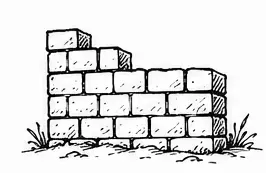
WALL
The first sign was silence.
For most of my career, silence was rare. My phone rang constantly. Recruiters called with new opportunities. Creative Directors called about openings. Agencies called about pitches. Former colleagues called about projects. There was always another conversation waiting. Another possibility. Another ladder to climb.
I enjoyed it. The calls felt like evidence that I was moving forward. Every promotion led to another opportunity. Every opportunity led to a larger client. Every larger client led to a larger title. The machine rewarded momentum.
I became very good at the game. I learned how agencies worked. I learned how ideas moved through organizations. I learned how to navigate conference rooms full of opinions and somehow leave with clarity. Over time, I found myself working on brands that had surrounded me my entire life. Products I had grown up seeing. Companies with budgets larger than some nations.
From the outside, it looked like success. From the inside, it often felt that way too. I genuinely loved the work. I loved solving problems. I loved finding the hidden idea. I loved helping a team arrive at something true. And because I loved it, I assumed it would continue indefinitely.
Most people imagine major life transitions arriving dramatically. A speech. A crisis. A resignation letter. A life-changing decision. My experience was different. The transition arrived quietly. At first, I barely noticed it.
The calls became less frequent. Not gone. Less frequent. A recruiter who would have called every few weeks stopped calling. A conversation that would have happened never materialized. A project disappeared. An opportunity evaporated. Nothing alarming. Just different.
Then more time passed. The silence expanded. One afternoon I found myself realizing something strange. Months had gone by. Nobody had called.
I remember sitting with that realization longer than I care to admit. Part of me was offended. Part of me was confused. Part of me was frightened. My entire adult life had been organized around a certain kind of momentum. The current had always carried me forward. Now the current seemed to be disappearing.
I responded the way many ambitious people respond. I tried harder. Reached out more. Explored opportunities. Updated portfolios. Had conversations. The harder I pushed, the more obvious something became. The door wasn't opening.
At first I interpreted this as a problem. Then I interpreted it as bad luck. Then I interpreted it as timing. Eventually I began wondering if something else was happening.
Life has a peculiar way of closing chapters. Rarely does it ask permission. Rarely does it provide a detailed explanation. Often it simply removes the energy. The thing that once moved effortlessly begins requiring enormous effort. The thing that once welcomed you stops responding. The thing that once felt alive becomes strangely inert.
I didn't want to believe it. Advertising had given me so much. The agencies had shaped me. The work had shaped me. The people had shaped me. Some of my closest friendships emerged from those years. Some of the most exciting experiences of my life emerged from those years. How could something that had given me so much suddenly be complete?
I wasn't ready. Life didn't seem particularly concerned with my readiness.
The realization arrived gradually. The agency chapter was ending. Not because I had chosen it. Because something larger than my preferences had chosen it. The more I resisted, the clearer it became. Every attempt to force the old life forward felt heavy. Every attempt to move toward founders felt alive.
I didn't like the conclusion. I couldn't argue with the evidence.
The problem was financial. Founder work paid very differently than agency work. At least in the beginning. Inside agencies, I had become accustomed to a certain scale. Large budgets. Large retainers. Large projects. Founders operated in a different universe. Most were building something from almost nothing. Every dollar mattered. Every decision mattered. Every risk mattered.
When I first started taking founder projects seriously, the financial contrast was almost comical. I would spend a few hours on a corporate project and earn more than some founders could afford to spend on an entire engagement. The rational decision seemed obvious. Stay where the money is. Stay where the infrastructure exists. Stay where the prestige exists. Stay where everything already works.
Yet something strange kept happening. The founder work gave me energy. The agency work consumed it. Not immediately. Not dramatically. Just enough to notice.
A founder would call and tell me about an idea that kept them awake at night. A product they believed should exist. A company they couldn't stop thinking about. A possibility they could see even though nobody else could. I would listen. Ask questions. Sketch ideas. Connect dots. Hours disappeared. The work felt alive.
Then I would return to a larger corporate engagement and feel something different. Not boredom. Distance. The stakes were different. The energy was different. The relationship was different. A founder was risking their life. A corporation was managing a quarter. The distinction mattered. I didn't fully understand why. I only knew that my attention kept drifting toward founders.
For years I tried to balance both worlds. One foot in each. Agency work provided stability. Founder work provided meaning. The arrangement looked sensible. It felt increasingly impossible. At some point every bridge reaches a limit. Eventually you must choose a shore.
I wish I could tell you I made the choice bravely. The truth is less flattering. Life made the choice for me. The silence continued. The opportunities continued drying up. The path behind me continued narrowing. What had once felt temporary began feeling permanent. The old life wasn't returning.
The realization was painful. It was also clarifying. The wall had appeared. Not the kind of wall you climb. The kind you stop climbing against.
For years I had imagined walls as obstacles. Something preventing progress. Something standing between me and what I wanted. This wall felt different. It wasn't blocking me from my future. It was blocking me from my past. Every attempt to return met resistance. Every attempt to move forward found support. The message became impossible to ignore.
One evening I found myself sitting alone, reviewing numbers. Expenses. Projects. Possibilities. The practical realities of building a life. The founder path made less sense on paper. Less predictable income. More uncertainty. More risk. Less prestige. Less stability.
I stared at the numbers for a long time. Then I closed the spreadsheet. The answer wasn't in the spreadsheet. The answer had never been in the spreadsheet. The answer was in the energy. One path felt increasingly dead. The other felt increasingly alive.
That doesn't sound sophisticated. It isn't. Sometimes life's most important decisions arrive through a remarkably simple question. What creates energy? Not excitement. Not distraction. Energy. The kind that remains after the novelty fades. The kind that remains after the fear arrives. The kind that remains after the practical objections have had their say.
Founders created that kind of energy in me. They always had. I simply hadn't trusted it. Part of me believed meaningful work should be difficult. Another part believed purpose should arrive with certainty. Neither assumption proved true. The work I loved most felt natural. The path I belonged on revealed itself gradually. Neither arrived with complete certainty. Only a persistent sense of aliveness.
I think many founders encounter a similar moment. The company that once worked stops working. The strategy that once worked stops working. The identity that once worked stops working. The temptation is to push harder. Try harder. Force harder. Sometimes that's appropriate. Other times the wall is not asking for more effort. It is asking for surrender.
There is a profound difference. Effort assumes the path remains correct. Surrender allows for the possibility that the path has changed.
For years I had been trying to reopen a door that no longer belonged to me. Eventually exhaustion accomplished what wisdom had failed to achieve. I stopped pushing. And once I stopped pushing, I could finally see.
The agencies had not rejected me. Life had redirected me. The silence was not punishment. It was guidance. The wall was not an obstacle. It was an instruction. Turn here. Go this way. Trust this.
The founders had been waiting on the other side the entire time. Not because they needed me. Because I needed them. They were teaching me something I could not learn inside the larger system. They were teaching me about devotion. About vision. About risk. About belief. About what happens when a human being becomes so committed to an idea that they reorganize their life around making it real.
I recognized something of myself in them. Something I had been trying to ignore. The child drawing before he could speak. The young artist disappearing into a canvas. The strategist searching for the hidden pattern. The founder carrying a vision. All of them were expressions of the same impulse. To bring something invisible into the world. The wall did not create that truth. It revealed it.
Looking back now, I can see the kindness hidden inside the experience. At the time, it felt terrifying. The future appeared uncertain. The income appeared uncertain. Everything appeared uncertain. Yet beneath all that uncertainty was a quiet certainty I had spent years overlooking. I knew exactly what work I loved. I knew exactly where my energy lived. I knew exactly which conversations left me feeling more alive than when they began. The wall wasn't asking me to discover something new. It was asking me to trust something old.
Sometimes God closes the door before we are willing to walk away. Not to punish us. To prevent us from spending the rest of our lives standing in a hallway that no longer leads anywhere. When I finally stopped knocking, I discovered another door had been open the entire time.
Chapter 6
FOREST

The call lasted less than ten minutes. Years of work reduced to a conversation that barely occupied a coffee break.
I don't remember every word. I remember the feeling. The strange numbness that arrives when reality delivers news your body understands before your mind does.
The agency was restructuring. Senior creative leadership was being reduced. Several people were being let go. I was one of them.
That was it. No scandal. No dramatic confrontation. No catastrophic failure. Just a business decision. One of many. The kind that happens every day inside large organizations.
I understood that intellectually. Emotionally, I took it personally. The human ego has a remarkable ability to transform impersonal events into personal stories. I didn't hear: "The agency is restructuring." I heard: "You are no longer needed." I didn't hear: "The business has changed." I heard: "You failed." Neither statement was true. That didn't stop me from believing them.
For years I had poured myself into the work. Late nights. Pitches. Campaigns. Strategy sessions. The endless cycle of ideas becoming presentations becoming work becoming more work. I loved the people. I loved the clients. I loved the challenge. Most of all, I loved being part of a team.
Creative work can be lonely when you're doing it by yourself. Inside a great agency, it becomes something else entirely. A group of people staring at the same problem from different angles until something reveals itself. Some of my favorite memories were born inside those rooms. The laughter. The arguments. The impossible deadlines. The shared victories.
Then suddenly it was over. I walked out carrying a cardboard box full of the artifacts people always carry away from jobs. A few books. A few notebooks. A few personal objects. The physical evidence of a chapter ending. The box wasn't very heavy. I was.
At the same time, my marriage was unraveling. Not dramatically. Not publicly. Quietly. The way foundations crack beneath a building long before anyone notices. The two losses became intertwined. Career. Marriage. Identity. Purpose. The boundaries between them blurred. One disappointment flowed into the next until it became difficult to tell where one ended and another began.
Looking back now, I can see that life was dismantling several structures simultaneously. At the time, it simply felt like everything was falling apart.
People often imagine transformation as an expansion. A becoming. A gaining. My experience has usually been the opposite. Life removes things. Certainties disappear. Identities disappear. Plans disappear. Then it waits. The waiting was the hardest part.
After the layoff, I found myself living alone in a small bungalow in Venice Beach. I can still picture it clearly. The ocean air. The cracked sidewalks. The sound of bicycles passing outside. The occasional helicopter overhead. The endless California sunlight that somehow made loneliness feel even more visible.
Every morning I would roll out a yoga mat. The routine became a kind of anchor. Breath. Movement. Stillness. Breath again. The practice gave shape to days that otherwise lacked structure. Afterward, I would climb onto my bicycle and disappear into the city. Some days I rode for miles. No destination. No agenda. Just movement. I would weave through Venice. Down side streets lined with palm trees. Past coffee shops and murals and people living entirely different lives. Everyone seemed to know where they were going. I rarely did.
There is a particular kind of loneliness that arrives when you are no longer becoming the person you thought you were supposed to be. The loneliness isn't caused by being alone. It's caused by uncertainty. The map no longer matches the territory.
For years, my identity had been organized around forward momentum. Agency life rewarded momentum. Promotions. Titles. Clients. Recognition. There was always another rung. Then suddenly there wasn't. The ladder disappeared. The destination disappeared. And for the first time since I was a young man, I had no idea what came next.
I tried many things. Pottery became one of them. The studio smelled like wet earth. Clay dust floated through shafts of afternoon sunlight. Wheels spun slowly. Hands pressed into soft material. There was something comforting about it. Clay doesn't care about your résumé. It doesn't care about your title. It doesn't care whether you are a Creative Director or unemployed. It only responds to attention.
I spent hours shaping bowls that collapsed. Cups that leaned sideways. Forms that looked nothing like what I intended. The process felt strangely familiar. Life was doing the same thing to me. Everything I thought I was building kept collapsing into something else. The difference was that clay accepted collapse more gracefully than I did.
Friends would ask how I was doing. I usually gave some version of the same answer. "Figuring things out." The phrase sounded optimistic. Inside, I felt lost. Not dramatically lost. Not existentially lost. Just directionless. The kind of lost that arrives when an old identity dies before a new one is born.
Days stretched into weeks. Weeks stretched into months. The external world grew quieter. No meetings. No presentations. No agency politics. No constant stream of demands. At first, I thought I wanted the quiet. Then I discovered something uncomfortable. Without the noise, I could hear myself.
The voice wasn't always kind. Questions surfaced. What if that was your best chapter? What if the industry has moved on? What if you've already done your best work? What if you're finished? Fear has a way of disguising itself as practicality. It presents worst-case scenarios and calls them realism. I listened more than I should have.
The strange thing is that despite all the uncertainty, one small thread kept appearing. A founder would call. A friend would make an introduction. Someone would need help naming a company. Positioning an idea. Creating a logo. Clarifying a vision. The projects were small. Tiny compared to the agency work. Tiny compared to the budgets I had become accustomed to. Yet every time one appeared, something happened. I came alive. Hours disappeared. Energy returned. The confusion softened. The work felt effortless. Not easy. Alive.
At first, I treated these projects like temporary distractions. Something to keep me occupied while I figured out what came next. Then more founders arrived. Then more. The pattern became difficult to ignore.
The founder would arrive carrying an idea. Not a polished idea. A living one. Something half formed. Part dream. Part business. Part prayer. They would try to explain it. Words would stumble. Concepts would overlap. The explanation rarely arrived in a straight line.
I found myself listening the way I listened during painting classes as a child. Looking beneath the obvious. Watching for shape. Watching for pattern. Watching for what wanted to emerge. Then something would click. The company would reveal itself. Not because I invented it. Because I could see it. The founder would see it too. And for a moment, the room would change.
I began noticing something interesting. The agency work had always been intellectually stimulating. The founder work felt personal. The difference mattered. A corporation can survive confusion. A founder often cannot. When a founder lacks clarity, the uncertainty touches everything. The company. The employees. The customers. The family. The future. Helping them see wasn't merely strategic. It was transformational. I didn't have that language at the time. I only knew the work felt important.
One afternoon, after finishing a founder session, I sat alone and noticed something I hadn't felt in months. Excitement. Not excitement about the outcome. Excitement about tomorrow. The feeling startled me. I had become so accustomed to uncertainty that I barely remembered what genuine enthusiasm felt like. It wasn't dramatic. Just a quiet sense that I wanted to continue.
The realization stayed with me. Then another founder arrived. Then another. Each project acted like a small campfire in the middle of a dark forest. The forest itself hadn't changed. I was still unemployed. Still divorced. Still uncertain. Still trying to understand what life was doing. But the campfires kept appearing. Enough warmth to continue. Enough light to see the next few steps. Nothing more.
Years later, I would realize how often life works this way. People imagine purpose arriving as revelation. A booming voice. A lightning strike. A moment of certainty. My experience has been far less dramatic. Purpose usually arrives as energy. A quiet aliveness that persists even when circumstances remain difficult.
The founders gave me that. Not because they saved me. Because they reminded me of something I had forgotten. The child drawing before he could speak. The student painting for hours. The strategist helping teams find the hidden idea. The common thread had never disappeared. It had simply changed forms. While I was busy grieving the career that had ended, life was trying to introduce me to the work that remained.
The forest taught me something I would spend years learning more deeply. Sometimes success stops working because it has already completed its purpose. The chapter ends. The title changes. The identity dissolves. Not because life is taking something away. Because life is creating space for something else.
At the time, I couldn't see any of that. All I could see was loss. Loss has a way of narrowing vision. Only later could I appreciate what was happening. The forest was not a punishment. The forest was an initiation.
Every day, I woke up uncertain. Every day, I rolled out the yoga mat. Every day, I climbed onto the bicycle. Every day, I wandered. And every so often, a founder would appear carrying a vision they could not yet fully articulate. For an hour or two, helping them find clarity would illuminate something in me as well.
The irony wasn't lost on me. While helping founders discover who they were becoming, I was slowly discovering the same thing about myself. The forest never told me where I was going. It only taught me how to keep walking. And sometimes, when the path disappears entirely, that is enough.
Chapter 7
RIVER
The idea arrived while I was waiting for a pizza. Not during meditation. Not during a vision quest. Not while studying ancient wisdom. I was standing in a pizza shop, hungry and bored. The kind of boredom that barely exists anymore. No phone to scroll. No endless stream of information. Just a few minutes with nothing to do.
A small container of crushed red pepper sat on the counter. Without thinking much about it, I dumped some into my water. Then I stirred it. I took a sip. The taste was strange. Not good. Not bad. Interesting.
That distinction would become important later. Most people only pay attention to things they immediately like. I've always been more interested in things I can't stop thinking about. Interesting is often more valuable than good. Good disappears. Interesting lingers.
I took another sip. The water carried the heat differently than food did. It spread across my mouth and chest in a way that felt unfamiliar. Not overwhelming. Just unexpected. I found a lemon. Squeezed it into the glass. Took another sip. More interesting. The heat and acid began talking to each other. The experience felt alive. Not enough to start a company. Not enough to impress anyone. Just enough to create curiosity.
Then the pizza arrived. I ate. I went home. The day continued.
Most people imagine ideas arriving fully formed. Mine never do. They arrive as questions. Tiny disturbances. Small ripples in the surface of ordinary life. The interesting thing about curiosity is that it doesn't demand immediate action. It simply waits.
The next day, I found myself thinking about the drink again. Then again the day after that. Eventually I remembered a box my mother had mailed to me years earlier. Inside were Indian spices. Cardamom. Cinnamon. Turmeric. Black pepper. Cloves. The fragrances of my childhood. The smells that drifted through our kitchen growing up.
I opened the box and began experimenting. There was no plan. No business model. No strategy. No vision board. Just curiosity. I mixed things together. Some combinations were terrible. Others were slightly less terrible. A few felt promising.
Glass jars slowly began accumulating near a dorm room window. Sunlight passed through amber liquids. Spices settled to the bottom. Strange aromas filled the room. Friends occasionally wandered in and looked at the collection with understandable confusion. "What are you doing?" I rarely had a good answer. Experimenting. Playing. Exploring. Trying to understand something. The truth was I didn't know what I was doing. I only knew I kept returning to it.
That became a pattern throughout my life. The things that mattered most rarely announced themselves dramatically. They simply kept returning. A thought. A question. A fascination. An idea that refused to disappear.
Years passed. Life moved forward. School ended. Work began. Agencies entered the picture. Clients entered the picture. Campaigns entered the picture. Titles entered the picture. The jars disappeared. The experiments disappeared. The idea never completely disappeared. Every now and then it resurfaced. A memory. A possibility. A small current running beneath everything else.
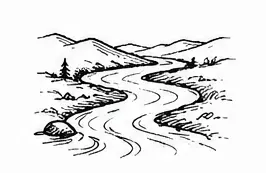
That is how rivers work. You don't create them. You discover them. The water was flowing long before you arrived. Long after you leave, it continues flowing.
Creativity has always felt like that to me. People often ask where ideas come from. The question assumes ideas are rare. My experience has been the opposite. Ideas are everywhere. Most people simply don't spend enough time near the river. They wait for inspiration. They wait for certainty. They wait for confidence. Meanwhile the river continues flowing.
I've always told founders that creativity is like a river. You don't need to know what you'll find. You simply need to sit down and start scooping buckets. One bucket. Then another. Then another. Eventually something appears. The problem is that most people stop after the first bucket. Or the second. Or the tenth. The river rewards persistence more than brilliance.
The spicy beverage wasn't a lightning strike. It was thousands of buckets. An accumulation of curiosity.
Years later, I met Alexis. Like many important relationships in life, the timing felt almost accidental. The idea had already been traveling with me for nearly a decade. Not as a company. As a signal. A small voice repeatedly asking for attention. By then I had enough distance from it to speak about it without attachment. I wasn't trying to convince anyone. I wasn't pitching investors. I wasn't looking for validation. I simply shared the idea. Spices. Heat. Functional beverages. A completely different relationship with flavor.
Alexis listened. Then he did something unexpected. He leaned in. Most people politely tolerate unusual ideas. He became curious. Curiosity is one of the most important forces in creation. Skepticism protects the present. Curiosity creates the future.
The conversation continued. Then another conversation. Then another. Soon other people joined. Each person brought a different skill. A different perspective. A different form of energy. At some point we crossed an invisible threshold. The idea was no longer living inside one person's imagination. It had entered the world.
That moment is difficult to pinpoint. Companies don't begin when paperwork is filed. They begin when enough people believe. We had reached quorum. Enough belief existed to move forward. Enough hands existed to do the work. Enough energy existed to transform possibility into reality.
Then the real work began. Most people think founders spend their time having ideas. Founders spend most of their time solving problems. Packaging. Manufacturing. Distribution. Formulation. Regulations. Logistics. Margins. Labels. Deadlines. The romance disappears quickly. What remains is devotion.
The company became Prometheus Springs. The name felt right immediately. Prometheus stole fire from the gods and gave it to humanity. The beverages carried heat. Energy. Transformation. The symbolism was impossible to resist. What had started as curiosity now demanded commitment.
There is a moment in every creative endeavor when the river becomes real. The water is no longer theoretical. You are standing inside it. Getting carried somewhere. Prometheus became that kind of experience. One retailer became several. Several became dozens. Dozens became hundreds. Momentum appeared. Then more momentum. The impossible began behaving like something inevitable.
I remember walking into stores and seeing the bottles on shelves. The experience never became normal. Part of me remained the kid standing in a pizza shop with pepper water. The scale felt absurd. How had this happened? A strange experiment in a dorm room window had somehow entered the marketplace.
Then the marketplace responded. Articles appeared. Distributors appeared. Opportunities appeared. Eventually the products reached more than fifteen hundred stores. Even now, writing that sentence feels surreal. Fifteen hundred stores. An idea that had begun with boredom now occupied physical space across the country. People I would never meet were picking up bottles. Taking them home. Trying them. Reacting to them. Some loved them. Some hated them. Almost everyone remembered them.
The experience taught me something important about creativity. Most people misunderstand proof. They imagine proof creates belief. The deeper reality is often the reverse. Belief creates proof. Not blind belief. Not fantasy. Not delusion. The kind of belief that allows a person to continue following a signal long before external evidence arrives. The signal always arrives first. The evidence arrives later.
When founders ask me how to know whether an idea is worth pursuing, they are usually asking the wrong question. The market can validate a product. It cannot validate curiosity. Only you can do that. The market enters the story much later. The earliest stage belongs to something far quieter. Attention. Curiosity. Fascination. The subtle pull toward a possibility that refuses to leave you alone.
That pull is difficult to explain. It rarely makes logical sense. It certainly didn't make logical sense standing in a pizza shop. Nothing about pepper water suggested national distribution. Nothing about a box of spices suggested a beverage company. Nothing about those jars on a dorm room windowsill suggested retailers, articles, investors, or shelves. Yet the signal was already present. Everything that followed was hidden inside it. A river does not announce the ocean. It simply keeps flowing.
Looking back now, I realize the company was teaching me the same lesson life had been teaching me since childhood. The most important things often arrive before language. The drawing arrived before the word apple. The vision arrived before the brand. The signal arrived before the company. Again and again, life presented something that could be felt before it could be explained. Again and again, the work was the same. Trust it. Not blindly. Not recklessly. Patiently. Curiously. One bucket at a time.
Prometheus eventually became successful. Then, like many chapters in life, it evolved into something else. But success was never the deepest lesson. The deepest lesson arrived much earlier. Back in the pizza shop. Before the company. Before the proof. Before anyone cared. The lesson was simple. Pay attention to what interests you. Not because every curiosity becomes a company. Because every company begins as a curiosity.
The river was flowing long before I noticed it. The only thing I really did was step in. And once I did, the water knew where to go.
Chapter 8
HORIZON

"Daddy, why are all the gurus men?"
My daughter couldn't have been more than seven years old when she asked the question. We were driving home from meditation class on a Sunday morning. The temple was one of those places that felt suspended outside of time. Photographs of saints lined the walls. Incense drifted through the sanctuary. Most of the stories revolved around men who had lived decades or centuries earlier.
I glanced at her in the rearview mirror. She wasn't challenging anything. She was genuinely curious. Children often ask the questions adults stop noticing.
I laughed. "Well, this temple focuses mostly on old teachers."
She considered that. Then I added, "They don't really talk much about living female gurus."
Her eyes widened. "There are female gurus?"
I smiled. "Of course."
She sat quietly for a moment. Then came the next question. "Can I meet one?" The excitement in her voice filled the car.
I remember looking at her and feeling something impossible to describe. Not pride. Wonder. The kind of wonder that arrives when you watch consciousness discovering itself.
A few weeks later, I took both girls to see Amma. The Hugging Saint. I remember them weaving through the crowds. Watching everything. Absorbing everything. Their eyes moved constantly, taking in details most adults ignored.
The older I became, the more I realized that parenthood had very little to do with teaching. Children are already teaching themselves. The real privilege is witnessing it. Watching a soul unfold. Watching awareness expand. Watching someone become more completely themselves.
That was always my favorite part. Not birthdays. Not holidays. Not milestones. The ordinary moments. The questions. The observations. The little flashes of consciousness that appeared without warning.
One afternoon I took my older daughter to a drug store. She was five years old. The toothpaste I needed wasn't available at our usual health food store, so we stopped somewhere unfamiliar. As we walked through the aisles she looked around with enormous curiosity. Rows of medicine. Rows of candy. Rows of brightly colored packaging.
She stopped. Looked around again. Then looked up at me. "Daddy…"
I smiled. "What?"
"You buy medicine here?"
"Sometimes."
She nodded slowly. Then her face became serious. "Why do they sell so much candy?"
I laughed. "I don't know."
She looked around again. Then she said something that stopped me in my tracks. "It's like they never want you to leave."
For a moment I simply stared at her. Five years old. Already seeing the contradiction. Already seeing the trap. Already seeing the invisible incentives hiding beneath the surface. The observation was so innocent. So obvious. So true.
My heart cracked open. Not because she was clever. Because I could see her seeing. I could see her consciousness expanding in real time.
I remember driving home feeling happier than I can adequately explain. Not because of anything I had done. Because I had witnessed something. A little soul discovering the world.
Moments like that became the treasure of parenthood. People often think raising children is about shaping them. My experience was different. It felt more like watching a mystery reveal itself. You don't know who they will become. You don't know what questions they will ask. You don't know what they will notice. Every day brings another surprise. Every day reveals another piece. The privilege is simply being there.
Then one day, I wasn't.
The warning arrived before the event. Looking back, that seems to happen often in life. The body knows before the mind. The intuition knows before the evidence.
I was living in Venice Beach at the time. The marriage had already deteriorated. The distance between us had been growing for years. The legal process was beginning to emerge on the horizon. I couldn't see its shape yet. But I could feel it.
One afternoon something clicked. Not intellectually. Viscerally. I suddenly knew. The situation was going to become ugly. I was going to see my children far less. A future I didn't want was approaching. The realization moved through me so quickly that my body simply shut down. I fainted.
One moment I was standing in the kitchen. The next moment I woke up on the floor. Blood everywhere. My face hurt. My nose had struck the tile on the way down. For a few moments I didn't understand what had happened. The blood spread across the floor while I tried to piece reality back together. Eventually I stood up. Cleaned myself off. Continued with life.
At the time I treated it like an isolated event. Now I see it differently. Part of me already knew.
A few weeks later I flew to New Jersey to see my children. Instead, I found myself standing inside a nightmare. Accusations. Police. Courtrooms. Paperwork. Stories. Claims. Fear. Confusion. The details no longer matter very much. What matters is the outcome. I lost access to my children. Not permanently. But long enough. Long enough for time to do what time always does. Long enough for life to continue moving. Long enough for childhood to continue unfolding without me.
At first I fought. Of course I fought. Any parent would. I hired attorneys. Spent money. Filed motions. Made arguments. Presented evidence. Waited. Then waited some more. Months became years. The legal system moved with the speed of weathered stone. Every small victory dissolved into another delay. Every answer produced another question. Every resolution generated another obstacle.
I spent more than one hundred thousand dollars. I spent countless hours. I spent enormous amounts of energy. Most painfully, I spent years watching time disappear.
There is a particular suffering that emerges when you can measure loss in birthdays. When you can measure loss in school years. When you can measure loss in inches of height and changing voices. Children do not pause their development while adults resolve their conflicts. Life continues. The horizon keeps moving. The world does not wait.
For two years I didn't see them. Two years. The number sounds small until you imagine it in childhood. A five-year-old becomes seven. A seven-year-old becomes nine. Entire worlds emerge. Entire worlds disappear. And you miss them.
People often ask what the hardest part was. They usually expect a legal answer. I never give one. The hardest part wasn't court. The hardest part wasn't money. The hardest part wasn't even the separation. The hardest part was missing the unfolding. Missing the questions. Missing the observations. Missing the tiny moments nobody photographs. The moments that become the actual substance of a relationship. I missed seeing who they were becoming.
For a long time I believed that was what I was grieving. Eventually I realized something deeper. I was grieving control. Not control over them. Control over the story. Control over the outcome. Control over the future.
Like many founders, I believed effort should matter. If I cared enough. Worked hard enough. Loved deeply enough. Surely I could influence the result. Life disagreed. There are situations where effort changes everything. There are situations where effort changes almost nothing. Wisdom lies in knowing the difference. I didn't know the difference. Not yet.
So I cried. Every tear I had. Then some I didn't know existed. The grief arrived in waves. Unexpectedly. Relentlessly. A song. A photograph. A memory. A question. The sight of another father holding his daughter's hand. Anything could trigger it.
I stopped resisting. There was no point. The grief wanted to move through me. So I let it.
Some people imagine acceptance as peace. My experience was different. Acceptance felt like exhaustion. The exhaustion that arrives after fighting reality for so long that you finally run out of strength. Not because reality improved. Because resistance collapsed.
The distinction matters. Acceptance is not agreement. I still disagreed with what happened. I still disagree with parts of it. Acceptance didn't change my opinion. Acceptance changed my relationship with reality.
One day I realized I could spend the rest of my life demanding that the past become different. Or I could continue living. The choice was not philosophical. It was practical. Life was moving. Whether I approved or not. The horizon remained beyond reach. Whether I approved or not. My daughters continued growing. Whether I approved or not. Reality had already voted. The only remaining question was whether I would participate in my own life.
So I continued. I kept creating. I kept serving founders. I kept building. I kept learning. I kept loving. Not because I had resolved the grief. Because life continued asking something of me.
Years later I finally saw my children again. I had imagined that moment hundreds of times. Perhaps thousands. In every version of the fantasy, time collapsed. Everything returned. The relationship resumed exactly where it had paused. Reality had other plans.
The first thing I noticed wasn't how much they had grown. It wasn't how different they looked. It wasn't even the passage of time. It was something far more painful. I was no longer their father. I was a visitor. A stranger. Someone standing on the outside of a story that had continued without him.
That realization hurt more than the separation itself. Because it revealed the final illusion. Life had never been waiting. The horizon had continued moving the entire time.
For a moment I felt completely powerless. Then something unexpected happened. Beneath the grief was love. Still there. Unchanged. The relationship had changed. The circumstances had changed. The story had changed. The love remained.
That surprised me. I had spent years believing love and proximity were the same thing. They aren't. Love can survive enormous distances. Love can survive years. Love can survive outcomes we never wanted. The horizon taught me that.
The horizon also taught me something else. Some of the most important things in life can never be possessed. Only loved. Children. Visions. Dreams. Outcomes. The future itself. We move toward them. We care for them. We serve them. We do our best. Then eventually we discover they belong to life as much as they belong to us.
Perhaps that is why the horizon always remains ahead. Not because it is unreachable. Because it is guiding us. The purpose of a horizon is not to be possessed. The purpose of a horizon is to keep us moving.
For years I thought my struggle was about getting my children back. Now I see something deeper. The struggle was learning how to love without controlling. How to care without possessing. How to continue walking when the outcome remains beyond reach.
I am still learning. Perhaps I always will be. The horizon remains where it has always been. Just ahead. Far enough away to keep me moving. Close enough to remind me why.
Chapter 9
CAMPFIRE

The room always became quiet at the same moment. Not during the introductions. Not during the strategy sessions. Not while sketching ideas across whiteboards. The silence arrived later. Usually after weeks of conversation. Weeks of questions. Weeks of wandering through stories that initially appeared unrelated. A childhood memory. A business challenge. A belief. A frustration. A dream. A sentence somebody's grandmother once said. The details rarely seemed important when they first appeared.
Then eventually the pieces began finding each other. A pattern emerged. The founder saw it. And the room became quiet.
I learned to recognize the silence long before I understood it. A founder would stop talking. Their eyes would stay fixed on the screen. Or a sketch. Or a notebook. Sometimes they laughed. Sometimes they cried. Sometimes they simply stared. Then came the words. Almost always some variation of the same thing. "That's it." Not: "That's beautiful." Not: "That's creative." Not: "That's clever." That's it.
The phrase appeared so consistently that I eventually stopped hearing the words themselves. I started paying attention to what came before them. Recognition. The words always followed recognition. A founder wasn't seeing something new. They were recognizing something old. Something they had been carrying for years. Something they could feel but could not fully articulate. Something that existed before language.
I understood that experience intimately. My entire life seemed organized around it. The drawing arrived before the word apple. The image appeared before the sentence. The knowing appeared before the explanation. Again and again, life revealed itself in that order. Feeling. Recognition. Language. Not the other way around.
Founders lived there too. That was one of the reasons I loved them so much. A founder often carries a company long before they carry a business. The company exists first as a feeling. A possibility. A conviction. An irritation. A vision. They know something belongs in the world. They simply cannot see it clearly enough yet.
For years, I thought I was helping founders build brands. Eventually I realized something else was happening. The brand was rarely the destination. The brand was the mirror. A founder would arrive believing they needed a logo. Or a name. Or a website. What they often needed was a clearer relationship with themselves. Not because they were confused. Because they were too close. The fish cannot see the water. The founder cannot see the thing they are swimming inside every day.
That realization arrived slowly. One founder at a time. One project at a time. One conversation at a time.
I remember working with Leah Lamb on The School for Sacred Storytelling. Like many founders, she carried something difficult to explain. The work wasn't merely educational. It wasn't merely creative. It wasn't merely spiritual. It occupied a space between categories. The kind of thing that becomes difficult to communicate because language itself struggles to hold it. We spent hours exploring the edges. Stories. Symbols. Experiences. Questions. The process felt less like invention and more like excavation. Eventually the brand emerged. The identity emerged. The story emerged.
Months later she told me something I still think about. She said that when she first saw the branding, her immediate reaction was: "At last." At last. Not: "Interesting." Not: "Beautiful." At last. As though something had finally become visible. As though a signal that had been trapped beneath the surface had finally broken through. She said it felt like being lifted onto someone's shoulders and finally becoming visible to the world.
I understood exactly what she meant. Not because I had given her visibility. Because she had finally seen herself. The brand simply gave the recognition a place to land.
Years later another founder described a remarkably similar experience. Different company. Different industry. Different life. Same recognition. Lisa had spent years building SOMA. Like many founders, she carried notebooks full of ideas. Conversations. Sketches. Thoughts. Fragments. Pieces of a larger thing. When she finally saw the work come together, her response was immediate. "Wow. This is it." Not: "Wow. I learned something new." Not: "Wow. That's surprising." This is it.
Again the same pattern. Recognition. A founder looking at something they already know and seeing it clearly for the first time.
The more founders I worked with, the more this pattern repeated. Different names. Different businesses. Different stories. Same experience. Melissa described it as watching someone bring a vision to life that she could feel but struggled to articulate. Vivien described seeing a logo sketched within minutes and realizing it captured something essential about who they were. Faraz described finally understanding what he had actually built after years of carrying the idea inside his head. Again and again, the details changed. The experience remained remarkably consistent.
For a long time I didn't know what to do with that observation. Part of me dismissed it. Part of me assumed every brand consultant heard similar things. Part of me believed everybody worked this way. That assumption followed me through much of my life. As a child I thought everybody saw what I saw. As a student I thought everybody experienced creativity the same way. As a professional I assumed everyone recognized patterns the way I did. The evidence kept suggesting otherwise. I ignored the evidence.
Then something happened that finally forced me to pay attention. A client gave me a Rolex.
Even now the story feels strange. Not because of the watch. Because of what the gesture represented. During my agency years, recognition arrived through awards. Trophies. Plaques. Publications. Industry praise. The recognition always flowed toward the work. Toward the campaign. Toward the idea. Toward the execution. There is nothing wrong with that. The work deserved recognition. But the relationship ended there. The campaign launched. The award arrived. Everybody moved on.
Founders were different. The relationship didn't end when the project ended. Sometimes it deepened. Sometimes it lasted years. Sometimes it changed both of us. The Rolex wasn't a gift for a logo. It wasn't a gift for strategy. It wasn't a gift for design. It was gratitude. The kind of gratitude people feel when something important changes in their life.
I remember holding the watch and feeling uncomfortable. Not because it was expensive. Because it forced me to confront something. The work mattered in a way I had not fully understood. At the agency, the reward was recognition. With founders, the reward was transformation. That realization changed everything.
The deeper I went into founder work, the less interested I became in industry validation. Not because awards were meaningless. Because I had experienced something more nourishing. Watching somebody's life change. Watching somebody step into greater clarity. Watching somebody become more fully themselves.
The experience reminded me of healing work. Years earlier I had spent time helping people heal. The disciplines were completely different. The tools were completely different. The environments were completely different. Yet something familiar existed beneath both. A person arrives carrying confusion. A process unfolds. Clarity emerges. Life changes. The mechanism differs. The transformation feels strangely similar.
Eventually I realized the common denominator wasn't branding. And it wasn't healing. The common denominator was seeing. Helping people see. That had always been the gift. The medium changed. The gift remained. The child drawing before he could speak was doing the same thing. The teenager painting was doing the same thing. The creative director was doing the same thing. The founder strategist was doing the same thing. The healer was doing the same thing. Different forms. Same fire.
A campfire is a curious thing. People gather around it for warmth. For light. For community. For stories. The fire itself doesn't tell the stories. It simply makes them visible. Faces emerge from darkness. Details emerge from shadow. People begin recognizing one another. The campfires that endure are never really about the fire. They are about what becomes visible in its presence.
I began realizing that ideas work the same way. Some ideas become movements because they illuminate something people already know. Not intellectually. Emotionally. Experientially. The idea gives shape to a truth people have been carrying. The founder becomes visible. The customer becomes visible. The mission becomes visible. Recognition spreads. One person sees it. Then another. Then another. That is how movements begin. Not through persuasion. Through recognition.
Nobody had persuaded Leah. Nobody had persuaded Lisa. Nobody had persuaded Melissa. Nobody had persuaded Faraz. They recognized something. The same thing happened with their customers. And their employees. And their communities. Recognition travels.
The more I observed this pattern, the more my understanding of branding changed. Most people believe a brand is a story you tell. I began seeing something different. A brand is a campfire. A place where people gather around a shared recognition. A visible expression of something previously hidden. The strongest brands are not invented. They are revealed. The strongest movements are not manufactured. They are recognized.
That realization transformed my relationship with the work. I stopped trying to create. I started trying to see. Stopped trying to impress. Started trying to reveal. Stopped trying to make things bigger. Started trying to make them clearer.
Clarity, I discovered, possesses a strange gravity. People move toward it naturally. Not because they are convinced. Because they recognize themselves inside it.
That recognition remains one of the most rewarding experiences of my life. Not the logos. Not the websites. Not the strategy decks. The moment before the words. The silence. The founder looking at something. Feeling something. Remembering something. Then quietly saying: "That's it."
Every testimonial I have ever received is simply a longer version of those two words. And every movement I have ever witnessed began the same way. Someone saw a fire in the distance. Walked toward it. And discovered they were not alone.
Chapter 10
FIRE

The dreams began long before the flames. At first I ignored them. A house burning. A dog burning. Chickens burning. Fields burning. Sometimes the fire moved slowly. Sometimes it arrived all at once. In every version of the dream, something I loved disappeared into flames.
I would wake in the darkness drenched in sweat. The feeling stayed with me long after the images faded.
For a while I treated the dreams as symbolic noise. The subconscious sorting itself out. Stress. Grief. Memory. The ordinary debris of a complicated life. Then they kept coming. Night after night. Month after month. The same message delivered through different images. Fire. Loss. Release. Burning.
By then I had already spent years fighting battles that refused to end. The custody case continued. The distance from my children remained. The future I had imagined no longer resembled reality.
For a long time I had organized my life around the possibility that my daughters would return. Not metaphorically. Literally. I bought a house. A beautiful house. A place with enough space for them. Enough room for visits. Enough room for holidays. Enough room for a future I hoped would eventually arrive. Every room carried an invisible assumption. Someday the girls will be here. Someday this will make sense. Someday everything will come back together.
The problem with building a life around a future that never arrives is that eventually reality asks for an answer. Not intellectually. Energetically. The house required maintenance. The property required attention. The expenses required income. Everything demanded energy. And I was beginning to notice something. The energy flowing into the life no longer matched the energy required to sustain it. The equation had changed. The children weren't coming. At least not in the way I had imagined. I wasn't building a home for a family anymore. I was maintaining a monument to a future that no longer existed.
That realization hurt. Not because it was complicated. Because it was obvious. For years I had been carrying structures whose purpose had already departed.
The dreams knew before I did. One morning I woke up and understood. The fire wasn't coming for my house. The fire was asking me to let it go. Not just the house. Everything. The life. The identity. The accumulation. The story.
I began simplifying. Then simplifying more. Then simplifying again. Furniture disappeared. Boxes disappeared. Storage disappeared. The process became strangely addictive. Every object seemed to carry a question. Do you still need this? Do you still believe this? Does this still belong to your life? Most of the answers surprised me. No. No. No.
One afternoon I gathered decades of journals. Stack after stack. Years of writing. Years of seeking. Years of trying to understand myself. I carried them outside. Built a fire. Sat quietly. Then fed them to the flames. The pages curled inward. Ink vanished. Thoughts I had preserved for decades rose into the sky as smoke.
People often assume that act was emotional. It wasn't. It felt clean. The journals had already given me what they came to give. I didn't need to carry them anymore.
A few weeks later I burned artwork. Paintings. Sketches. Fragments of previous lives. Some pieces had followed me for years. Others for decades. I watched them disappear too. Not because they lacked value. Because they had completed their purpose. There is a profound difference. The fire wasn't destroying my past. The fire was freeing me from maintaining it.
Spiritual gifts from India disappeared. Objects from the Amazon disappeared. Mementos from students disappeared. Books disappeared. Collections disappeared. Entire identities disappeared. If it didn't fit in the truck, I got rid of it.
The simplicity felt shocking. My entire life eventually occupied a space smaller than some closets. The truck. A few possessions. A few tools. The essentials. Nothing more.
Friends thought I was crazy. Some of them were probably right. Yet beneath the simplification was an unmistakable feeling. Relief. For years I had been carrying things. Objects. Responsibilities. Expectations. Possibilities. The fire was removing weight. Not all at once. Gradually. One possession at a time. One attachment at a time. One identity at a time.
Once the house was gone, I created a loose plan. Nothing dramatic. I would travel. Stay with friends. Spend a week here. Two weeks there. Most of my friends had families. Children. Extra bedrooms. Big houses with space to spare. The arrangement seemed simple. I would work remotely. Spend time with people I loved. Figure out what came next.
The first few months were wonderful. Every home carried a different rhythm. Different conversations. Different meals. Different stories. One week I was helping a founder clarify a vision. The next week I was having dinner with old friends. Then another family. Then another. Life became surprisingly light.
Thanksgiving arrived. I flew to see family. Eighty-eight people gathered for dinner. Cousins. Aunts. Uncles. Children running everywhere. Conversations overlapping. Food covering every available surface. The noise felt comforting. For years I had spent so much time alone. Being surrounded by family felt like returning to something ancient.
Christmas followed. I stayed with my parents. They were getting older. Needing more help. The arrangement felt temporary. A few weeks. Maybe a month. Then life would reveal the next step.
Instead, something extraordinary happened. Friends began calling. One after another. The conversations sounded strangely similar. "Are you okay?" "Where are you?" "Did you hear what happened?"
The fires had begun. Los Angeles was burning. Neighborhoods I knew. Streets I knew. Landmarks I knew. Gone.
The first reports felt surreal. Then more arrived. Then more. One by one, the places I had planned to stay disappeared. Homes. Buildings. Entire neighborhoods. The old school my daughters attended. Gone. The condo building where I had once lived. Gone. Places connected to entire chapters of my life. Gone.
I sat in my parents' house staring at photographs and maps. The dreams returned immediately. Burning houses. Burning lives. Burning futures. Only now they weren't dreams. Reality had caught up.
The strangest part was realizing that if I had followed my original plan, I might have been there. Not metaphorically. Physically. Instead I was sitting safely with my parents. Helping them choose furniture. Helping them replace a roof. Helping them solve ordinary problems. Life had quietly moved me out of harm's way before I knew harm was coming.
I didn't know what to make of it. So I did what I had been doing for months. I prayed. Every morning before opening my laptop. Before responding to clients. Before beginning work. The same question. God, what do you want me to do? Not what should I do. Not what makes sense. Not what is strategic. What do you want me to do?
The answer remained remarkably consistent. Be patient. That was it. Every day. Be patient.
At first the instruction annoyed me. Patience feels noble when someone else is practicing it. When you're the one waiting, it feels different. Months passed. Still nothing. Be patient. I continued serving clients. Continued helping founders. Continued living quietly. Nine months passed this way. Nine months. Long enough to grow a child. Long enough for an entire life to begin.
Then one morning something changed. The answer was different. Open your laptop and make a presentation. That was all. No explanation. No context. Just an instruction. Open your laptop. Make a presentation.
So I did. I started building slides. At first the subject seemed obvious. Energy. Healing. Consciousness. The topics that had fascinated me for years. Then something unexpected happened. Volcanoes started appearing. A photograph here. Another there. Then another. Images of lava. Images of fire. Images of molten earth. I kept inserting them without fully understanding why.
The presentation continued growing. Mana. Prana. Life force. Electricity. Creation. Transformation. The volcanoes remained.
I shared the presentation with a few people. Watched their reactions. Listened to their feedback. Then one afternoon, halfway through explaining it, I suddenly realized something. The presentation wasn't for them. It was for me. The volcanoes weren't illustrations. They were instructions. The entire presentation had been pointing toward something I hadn't yet allowed myself to see.
I needed to go to Hawaii. Not eventually. Now. Not for a vacation. Not for a project. For something I couldn't yet explain.
The realization arrived with complete certainty. The kind of certainty that rarely visits me. No debate. No analysis. No strategy. Just knowing. I booked a flight. Found an Airbnb near the volcano. Packed my things. And left.
People often ask why I moved to Hawaii. I usually give a simple answer. The truth is more difficult to explain. I didn't choose the volcano. The volcano called. And by then I had learned enough to listen.
The fire had spent years preparing me. Burning away identities. Burning away plans. Burning away futures that no longer carried energy. Burning away the life I had been trying to preserve. Only after the burning was complete could I hear the next instruction.
Looking back now, the dreams seem obvious. The house wasn't the house. The dogs weren't the dogs. The chickens weren't the chickens. The fire wasn't destruction. It was transformation. Life was removing what no longer belonged. Not as punishment. As preparation. Fire rarely asks permission. It simply reveals what remains after everything unnecessary has disappeared.
When I boarded the plane to Hawaii, I thought I was beginning a journey. What I didn't yet understand was that the journey had started years earlier. The flames had simply been showing me the way.
Chapter 11
VOLCANO
The first morning I walked to the volcano, it was still dark. The sky above Hawaiʻi carried that peculiar quality that exists just before sunrise, when shapes begin emerging from shadow but color has not yet returned to the world. Moisture hung in the air. The scent of wet earth drifted through the forest. Ferns lined the trail. The ground beneath my feet felt alive.
I had been on the island only a few days. Long enough to know I wasn't on vacation. Not long enough to understand why I was there. The volcano sat somewhere beyond the trees. Silent. Invisible. Waiting.
I walked alone. That became the routine. Wake up. Drink tea. Walk. Listen. The listening mattered more than the walking.
For almost a year I had been asking the same question every morning. God, what do you want me to do? The answer had always been the same. Be patient. Now I was standing on an island in the middle of the Pacific Ocean with no clear plan and no real explanation. The answer still seemed to be: be patient.
The volcano offered no additional instructions. No visions. No revelations. No booming voice from the heavens. Just rock. Mist. Wind. Silence.
I found that frustrating. Part of me wanted certainty. I had already burned down my life. Or at least the version of it I could no longer carry. The house was gone. The possessions were gone. The journals were gone. The artwork was gone. The future I had spent years imagining was gone. I had followed the dreams. Followed the fire. Followed the strange sequence of events that eventually led me here. Now I wanted answers. Instead I got silence.
The silence continued for weeks. Every morning I hiked. Every morning I listened. Every morning the volcano remained exactly what it was. A volcano. The earth didn't seem particularly interested in explaining itself.
Over time I stopped asking so many questions. Something about the landscape made questioning feel unnecessary. The island moved differently than the mainland. Time moved differently too. Back in Los Angeles everything seemed built around acceleration. Growth. Scale. Deadlines. Expansion. Movement. Even spirituality often carried the same energy. People chasing enlightenment the way they chased promotions. Trying to optimize consciousness. Trying to improve themselves. Trying to arrive somewhere.
The volcano seemed completely uninterested in arrival. It simply existed. Creating. Destroying. Creating again. Without apology. Without urgency. Without explanation.
One afternoon I sat overlooking an old lava field. Miles of black rock stretched toward the horizon. Nothing appeared capable of growing there. No trees. No grass. No obvious signs of life. Just hardened lava. Ancient destruction frozen in place. The landscape felt lifeless.
Then I looked closer. Tiny green shoots emerged from cracks in the stone. Moss appeared where there should have been none. Small plants occupied spaces that seemed impossible. Life was returning. Patiently. Quietly. Without permission.
The volcano suddenly looked different. Not destructive. Creative. I had spent most of my life thinking creation and destruction were opposites. The island suggested otherwise. Everywhere I looked, destruction and creation appeared inseparable. The forest existed because the lava once destroyed something else. The soil existed because stone eventually surrendered. New life emerged because old forms disappeared. The cycle repeated endlessly. Creation. Destruction. Creation. Destruction.
The rhythm felt familiar. I just hadn't recognized it before. My own life suddenly looked less chaotic. The marriage. The career. The custody battle. The move. The fires. The losses. For years I had treated each event as an isolated tragedy. The volcano revealed a larger pattern. Not a comforting pattern. Not necessarily a fair pattern. Just a natural one. Life seemed remarkably willing to destroy forms that no longer carried life. The realization wasn't pleasant. But it felt true.
The more time I spent on the island, the more sensitive I became. Thoughts moved differently. Emotions surfaced faster. Insights arrived without warning. The land itself seemed reflective. Not because anything magical was happening. Because there was nowhere to hide. The island stripped away distraction. Without traffic. Without constant social obligations. Without the noise of ordinary life. I could hear myself more clearly.
That wasn't always enjoyable. Sometimes what surfaced was grief. Sometimes anger. Sometimes fear. Old shadows appeared with surprising speed. The volcano had a way of exposing whatever remained unfinished. I began understanding why people throughout history traveled to remote places seeking transformation. Not because remote places contain answers. Because they remove excuses.
One evening I sat watching steam rise from the earth. The sun was disappearing behind clouds. Everything glowed orange. The landscape looked ancient. Timeless. As though the planet were remembering something older than humanity.
A thought appeared. Not as language. More as a feeling. You are here because something is trying to be born. I sat with it. The sentence felt important. Not because it was dramatic. Because it felt accurate. Something was trying to emerge. I simply didn't know what.
Around that time an old acquaintance called. We hadn't spoken in years. Our connection came from my healing work. Different chapter. Different life. Different version of myself. He sounded excited. Almost nervous. "I had a dream."
I laughed. That sentence rarely leads somewhere ordinary. "What kind of dream?"
He paused. Then told me he had seen himself coming to Hawaiʻi. Helping build an ashram. Helping create a spiritual center. The details were surprisingly specific.
I listened quietly. A year earlier I might have dismissed the conversation entirely. Life had made me more open. Not more gullible. More attentive.
The call ended. A few weeks later he arrived. Just like that. One dream. One plane ticket. One person showing up. The island seemed to operate this way. Ideas appeared. People appeared. Conversations appeared. Nothing felt forced. The pace remained organic. One step revealing another. Never the whole path. Only the next step.
We rented another Airbnb. Spent long hours talking. Walking. Exploring possibilities. The future remained unclear.
Then one day the hosts mentioned they owned land nearby. Unused land. The kind of casual statement that normally disappears into conversation. This one lingered. We asked questions. Then more questions. Eventually we walked the property. The land was beautiful. Wild. Untouched. Filled with possibility.
The conversations began naturally. What would an ashram look like here? How would people gather? What would be taught? What would be built? For the first time, the vague feelings that had drawn me to Hawaiʻi began acquiring form. The idea felt exciting. Meaningful. Possible.
Then another thought emerged. If people were seriously considering an ashram, they needed to understand what an ashram actually was. Not intellectually. Experientially. So I made a suggestion. Let's go to India. Let's visit Babaji's ashram. Let's see the source.
The proposal felt slightly absurd. Then everyone agreed. The journey took shape.
Months later we found ourselves in India. Walking the grounds. Meeting devotees. Participating in ceremonies. Living inside a tradition that had existed long before any of us arrived. I expected clarity. Instead I received a surprise.
One afternoon I spoke with monks who had dedicated their lives to the path. Men who had spent decades serving. Decades practicing. Decades listening. We spoke about the future. The ashram. My plans. My hopes. Eventually one of them smiled. Then said something I did not expect. "You are too young."
I laughed. At the time I was forty-four. Nobody had called me young in years.
He smiled again. "You still have work to do."
The statement landed differently than I expected. I had imagined spiritual life and worldly life as separate paths. One path led toward business. The other led toward devotion. The monk seemed completely uninterested in that distinction.
He continued. "You still have karma." Then he said something I will never forget. "Your work is your karma yoga."
For a moment the entire journey rearranged itself. The fires. The dreams. The volcano. The island. The pilgrimage. The search. Everything suddenly pointed somewhere I hadn't expected. Back. Not backward. Back to the work. Back to founders. Back to clarity. Back to the gift.
For years I had been searching for what came next. The possibility of an ashram felt like an answer. The monk revealed something else. The answer wasn't escape. The answer was integration. The gift I carried as a child. The thing my mother saw. The thing my father nurtured. The thing that appeared in drawing. Then painting. Then advertising. Then branding. Then founder work. It wasn't separate from spiritual life. It was spiritual life.
The realization followed me home. Back to Hawaiʻi. Back to the volcano. Back to the daily walks. Only now the landscape looked different. The volcano was no longer calling me away from my work. It was pointing me back toward it.
One morning I stood overlooking the crater as clouds drifted across the horizon. The air smelled faintly of sulfur. The earth beneath my feet contained enough power to destroy entire cities. Yet the volcano itself remained completely still. Patient. Present. Unconcerned with human plans.
For the first time, I understood why the call had been so persistent. The volcano had never been asking me to become someone else. It had been helping me remember who I already was.
Some calls come from the mind. They arrive as ambition. Strategy. Goals. Plans. Other calls come from somewhere deeper. They refuse explanation. They refuse logic. They refuse to leave. You can ignore them. Argue with them. Delay them. Yet they remain. Patiently waiting. Like the volcano. Like the island. Like the gift itself.
The deepest calls do not lead us away from ourselves. They lead us back. And when we finally follow them, we often discover they knew where we belonged long before we did.
Chapter 12
ASHRAM

The dream did not belong to me. That was the first thing that made me pay attention. If I had dreamed it myself, I probably would have dismissed it.
By then I had spent enough years around spirituality to become suspicious of certainty. Too many people claimed divine guidance for things that looked suspiciously like personal preference. Too many visions conveniently pointed toward what they already wanted. This dream belonged to someone else.
An old acquaintance called me one afternoon. We had known each other through my healing work years earlier. Life had carried us in different directions. We spoke occasionally, but not often. He sounded excited. Not excited in the ordinary sense. More like someone trying to make sense of something unexpected. "I had a dream," he said.
I laughed. Dreams had been following me for years. "What happened?"
He paused. Then he told me he had seen himself in Hawaiʻi. Helping me build an ashram. The details were strangely specific. There was land. There were people gathering. There was a sense of purpose. A spiritual community taking shape.
When he finished speaking, neither of us said much. The conversation lingered in the silence. A year earlier I might have changed the subject. But life had become increasingly difficult to explain through ordinary logic. The dreams of fire. The house. The move. The volcano. The presentation filled with images I hadn't consciously chosen. Something larger than my plans seemed to be unfolding.
A few weeks later he arrived on the island. Not because we had created a strategy. Not because we had formed an organization. Because he couldn't ignore the dream. I understood that feeling. The volcano had called me in much the same way.
Neither of us knew exactly what we were doing. That became a recurring theme. The modern world worships certainty. Most meaningful journeys begin without it.
We rented another Airbnb. Spent our days talking, walking, exploring possibilities. The island seemed to encourage those kinds of conversations. The pace was slower. The boundaries between practical and spiritual felt less rigid. Questions had room to breathe.
One evening the hosts mentioned they owned a piece of land they weren't using. The comment appeared casually. The way important things often do. We asked if we could see it. A few days later we were walking through dense vegetation beneath a Hawaiian sky.
The land felt untouched. Wild. Alive. Not in the sentimental way people describe beautiful places. Alive in the sense that it seemed to possess its own intelligence. Its own rhythm. Its own preferences.
The conversations began immediately. What would an ashram look like here? How would people live? How would they gather? What would be taught? What would be preserved? The questions multiplied. The possibility expanded. For the first time, something that had existed only as intuition began acquiring form.
The idea was seductive. Not because of the buildings. Not because of the land. Because of what the ashram represented. An ending. Or at least what I imagined was an ending.
For years I had moved between worlds. Advertising. Branding. Healing. Fatherhood. Business. Spirituality. The possibility of an ashram seemed to offer resolution. A final chapter. A place where everything could settle. A place where the searching could stop.
I didn't realize it at the time, but I was carrying a fantasy. Not an unusual fantasy. One that appears in many forms. People imagine another city will solve their loneliness. Another relationship will solve their longing. Another business will solve their uncertainty. Another achievement will solve their restlessness. Spiritual seekers are no different. We simply give the fantasy more sophisticated language.
I imagined an ashram would provide something that had remained elusive throughout my life. Peace. Not temporary peace. Permanent peace. The kind that stays. The kind that ends the search. The fantasy felt convincing. Which should have been my first warning. Life rarely conforms to our fantasies.
Fortunately, reality had other plans. The more we discussed the possibility, the more one thing became clear. Before anyone committed themselves to building an ashram, they needed to understand what an ashram actually was. Not conceptually. Experientially. Most people carry romantic ideas about spiritual communities. Very few have lived inside one.
So I made a suggestion. Let's go to India. Let's visit Babaji's ashram. Let's experience the source directly. Everyone agreed.
Months later we arrived. The journey itself felt like a pilgrimage. Long flights. Crowded roads. The gradual transition from modern life into something older. Something slower. Something that seemed to operate according to entirely different assumptions.
When we finally reached the ashram, I felt an unexpected familiarity. Not because I had been there before. Because places devoted to sincere practice possess a recognizable atmosphere. The rhythm is different. People move differently. Time feels different. The priorities become visible. The ashram wasn't built around productivity. Or status. Or growth. Its center of gravity existed somewhere else entirely.
We participated in ceremonies. Shared meals. Met devotees. Walked the grounds. Observed daily life. Nothing felt extraordinary. That was what made it extraordinary. The sacred had become ordinary. Integrated into everything. A prayer before sunrise. A chore completed with attention. A meal prepared with care. Service. Devotion. Repetition. Day after day. Year after year.
The simplicity surprised me. I had spent years imagining spiritual life as something dramatic. Profound realizations. Mystical experiences. Transcendent moments. Most of what I observed looked remarkably ordinary. People sweeping floors. Preparing food. Maintaining buildings. Serving one another. The enlightenment industry rarely advertises that part. Yet it seemed central.
One afternoon I sat with several monks. The conversation wandered through different topics. Life. Practice. The future. Eventually the discussion turned toward Hawaiʻi. Toward the land. Toward the possibility of building an ashram. I explained what had been unfolding. The dreams. The journey. The emerging vision. They listened patiently. Not impressed. Not skeptical. Simply listening.
When I finished, one of the monks smiled. Then he said something unexpected. "You are too young."
Everyone laughed. I was forty-four years old. The statement felt absurd. He laughed too. Then continued. "You still have work to do."
The words landed differently. Not because they were dramatic. Because they carried an authority that comes from experience. He wasn't speaking theoretically. He was describing something he could see.
I listened carefully. He spoke about karma. Not punishment. Not destiny. Action. The unfinished movements of a life. The obligations we carry. The responsibilities we inherit. The work that remains. Then he said something that rearranged everything. "Your work is your karma yoga."
The sentence lingered. I knew the phrase. Karma yoga is often translated as the yoga of action. The spiritual path expressed through service. Through work. Through participation in the world rather than withdrawal from it. I had studied the concept before. This time it landed differently. Personal truths often arrive that way. You hear them a hundred times. Then one day they finally enter.
For years I had imagined two paths. The worldly path. The spiritual path. Business over here. Devotion over there. Clients over here. God over there. The monk seemed entirely uninterested in that distinction. For him, there was only life. And life expressing itself through different forms.
The realization followed me for days. Then weeks. Then months. As I walked the grounds, I began seeing evidence everywhere. The people I admired most were not escaping life. They were participating fully. Their devotion was expressed through action. Through responsibility. Through service. The fantasy of escape began dissolving. Slowly at first. Then all at once.
I remembered the founders. The conversations. The moments of recognition. The testimonials. The transformations. The years spent helping people see themselves more clearly. I remembered the little girl in the drug store asking why medicine was sold beside candy. I remembered my daughter asking why all the gurus were men. I remembered the founder staring silently at a logo before whispering, "That's it." The same thread connected all of it. Seeing. Helping others see.
The gift had followed me everywhere. Into agencies. Into healing. Into entrepreneurship. Into spirituality. Into Hawaiʻi. Into India. I had spent years trying to determine where the gift belonged. The monk revealed a different possibility. Maybe the gift already belonged exactly where it was. Maybe I didn't need to leave my life. Maybe I needed to inhabit it more fully.
The realization felt both liberating and disappointing. Liberating because it carried truth. Disappointing because part of me still wanted escape. Part of me wanted someone else to take responsibility. Part of me wanted permission to disappear into spiritual life. The monk had taken that fantasy away. And in doing so, he had given me something better. Direction.
When I returned to Hawaiʻi, the island felt different. The volcano felt different. The land felt different. Nothing had changed. Yet everything had changed. The call that brought me there no longer pointed toward withdrawal. It pointed toward integration. The ashram wasn't a destination. It was a mirror. The land wasn't the answer. It was a question. What are you really seeking?
For months I sat with that question. The answer emerged slowly. I wasn't seeking land. Or buildings. Or spiritual identity. I wasn't seeking a title. Or a role. Or an escape route from the complexity of ordinary life. I was seeking permission. Permission to fully become myself. Permission to trust the gift. Permission to stop dividing my life into sacred and ordinary. Permission to stop searching for another path.
The answer had been waiting all along. Not in India. Not in Hawaiʻi. Not in the ashram. Inside the work itself. The founders. The conversations. The moments of recognition. The helping people see.
I had traveled halfway around the world searching for a spiritual path. What I found instead was my own life. Waiting patiently for me to return.
Chapter 13
CIRCLE

I thought the journey would end in India. Not literally. Spiritually.
For years I had been moving toward something I could not quite name. A deeper truth. A clearer purpose. A more complete understanding of who I was and what I was supposed to do with my life. Like many seekers, I assumed the answer existed somewhere else. Somewhere farther away. Somewhere holier. Somewhere untouched by the ordinary complications of modern life. A mountain. A monastery. An ashram. A guru. A sacred place waiting at the end of the road.
The possibility of building an ashram in Hawaiʻi seemed to confirm the story I had been telling myself. The dreams had led there. The volcano had led there. The land had appeared. The people had appeared. The timing seemed impossible to ignore. Everything appeared to be converging.
Then the monks ruined the entire narrative. I mean that with affection. They dismantled years of assumptions with a few simple sentences.
I had expected encouragement. Validation. Maybe even a blessing. Instead they looked at me with the calm patience of men who had watched many people arrive carrying the same illusion. "You are too young."
I laughed. The statement seemed ridiculous. I was forty-four years old. My hair had begun turning gray. My knees occasionally reminded me of my age. Nothing about me felt particularly young. Yet the monk smiled as if he could see something I couldn't. "You still have work to do."
The conversation moved on. But internally something had shifted. The sentence stayed with me. Not because it was profound. Because it was inconvenient. Profound insights are often inconvenient. If they confirm what you already believe, they usually aren't insights. They're reassurance. This felt different. The monk wasn't telling me what I wanted to hear. He was telling me what I needed to hear.
For years I had imagined spirituality as a departure from ordinary life. A movement away from responsibility. Away from business. Away from ambition. Away from complexity. A return to simplicity. A return to God. A return to truth. The monk seemed entirely uninterested in that distinction. To him, there was no separation. No spiritual life over here. No worldly life over there. Just life. Just action. Just consciousness expressing itself through different forms.
I understood the words. What I didn't understand was how deeply I had been dividing myself.
The realization followed me back to Hawaiʻi. Back to the volcano. Back to the daily walks. I spent long hours wandering through lava fields and forests, replaying the conversation. The island seemed to know exactly what to do with confusion. Nothing. The land offered no answers. No interpretations. No guidance. Just space. Enough space for thoughts to settle. Enough space for deeper truths to emerge.
One morning I found myself standing near the edge of a crater watching clouds drift across the sky. The earth beneath me had once been molten. Violent. Transformative. Now it appeared completely still.
A thought arrived unexpectedly. Not as language. As recognition. The volcano had never asked me to stop being who I was. The volcano had asked me to stop pretending to be someone else.
The distinction mattered. For years I had been trying to reconcile different versions of myself. The artist. The advertiser. The healer. The father. The founder. The spiritual seeker. The strategist. Each identity seemed to occupy its own compartment. Each demanded loyalty. Each competed for importance. The result was exhaustion. Because none of them were actually separate. Only my thinking was.
The child drawing before he could speak was the same person helping founders discover their brands. The same person sitting in meditation. The same person walking through lava fields. The same person asking God what to do next. The forms changed. The essence remained. That realization seemed obvious. It took me decades to understand.
Around that time I began working more deeply with founders again. Not because I had decided to. Because they kept appearing. A phone call. An introduction. A referral. A conversation. The work continued finding me.
One founder arrived carrying years of accumulated complexity. Dozens of products. Multiple offers. Competing messages. A website that explained everything and communicated nothing. For hours he tried to describe the business. The more he explained, the less clear it became.
Eventually I interrupted him. "Tell me what actually happens."
He looked confused. "What do you mean?"
"What changes for your customers?"
Silence. Then a sentence. Then another. The truth slowly emerged. The business wasn't complicated. His relationship with it was. A few weeks later the positioning became obvious. The story became obvious. The direction became obvious. His shoulders relaxed. His voice changed. The business hadn't transformed. His understanding had.
Afterward I sat quietly thinking about the conversation. The experience felt strangely familiar. Not because I had helped him. Because life was doing the same thing to me. For years I had been explaining myself through layers of unnecessary complexity. Spirituality. Purpose. Mission. Seeking. Transformation. Meanwhile something much simpler sat underneath everything. I loved helping people see. That was it. The medium didn't matter. The expression changed. The essence remained.
The realization reminded me of something I learned while studying design. Every great logo begins as complexity. Pages of sketches. Dozens of concepts. Hundreds of decisions. Then gradually everything unnecessary disappears. What remains feels inevitable. People look at the final mark and think it arrived fully formed. They don't see the reduction. The simplification. The removal.
Life seemed to operate according to the same principle. The older I became, the less interested I was in adding things. More interested in removing them. The house disappeared. The possessions disappeared. The journals disappeared. The artwork disappeared. The identities disappeared. One by one, life kept removing whatever obscured the essential thing underneath. At first I interpreted those removals as loss. Now I wasn't so sure. Perhaps they were clarifications.
One evening I called a friend. We had known each other for years. He asked the question everyone eventually asks. "So what's next?"
I laughed. Months earlier I would have answered differently. The ashram. The land. The spiritual center. The vision. Now the answer surprised even me. "I'm not sure anything is next."
"What do you mean?"
"I think I'm supposed to do what I've been doing."
The sentence felt strange as it left my mouth. Not disappointing. Relieving. The search had become exhausting. Always looking for the next chapter. The next revelation. The next identity. The next purpose. The possibility that nothing new was required felt liberating. Maybe I wasn't supposed to become someone else. Maybe I was supposed to become more completely myself.
The conversation ended. The thought remained.
In the months that followed, Clarity Decoded began taking shape in a way it never had before. Not merely as a business. As an expression. A container for everything life had been teaching me. Branding. Consciousness. Story. Identity. Purpose. Not separate subjects. Different facets of the same phenomenon.
The founder arrives carrying something they cannot fully see. The work helps make it visible. The pattern appeared everywhere. In branding. In healing. In parenting. In spirituality. In life itself. We become trapped not because truth is hidden. Because we are too close to it. The fish cannot see the water. The founder cannot see the business. The seeker cannot see the path. The artist cannot see the gift. Someone else reflects it back. Recognition occurs. Everything changes. The circle completes itself.
That was the realization waiting for me at the end of the journey. Not a new path. The old path seen clearly. Not a new identity. The original identity remembered. Not an escape from work. A deeper relationship with it.
The Bhagavad Gita begins with a warrior who wants to leave the battlefield. He believes spiritual truth exists somewhere else. Somewhere cleaner. Somewhere untouched by conflict. Krishna points him back toward his duty. Not because duty is superior to spirituality. Because, for Arjuna, duty is spirituality. The battlefield is the path. The action is the path. The life in front of him is the path.
Standing on a volcanic island in the middle of the Pacific Ocean, I finally understood. The founders were the path. The work was the path. The gift was the path. The thing I had spent years trying to leave behind was the thing life kept asking me to embrace.
The circle had not brought me somewhere new. It had returned me to the beginning. To the child drawing before he could speak. To the gift that arrived before language. To the simple act of helping people see. Everything else had been scenery.
The circle closed. Not with an ending. With a return. And for the first time in a very long time, returning felt exactly right.
Chapter 14
MIRROR
The first time someone becomes a founder, they usually believe they are building a company. A few years later they discover something unsettling. The company is building them.
The realization rarely arrives all at once. It appears gradually. A difficult customer reveals a blind spot. An employee exposes a weakness. A market shift forces adaptation. A failure demands honesty. The founder changes. Then the company changes. Then the founder changes again. Eventually it becomes impossible to tell where one ends and the other begins. The company becomes an external expression of consciousness. A living reflection of the person creating it.
For years I thought my job was helping founders build better brands. Eventually I realized I was watching something far more intimate unfold. I was watching people become themselves. Not who they were. Who they were becoming. The distinction mattered.
One afternoon I sat across from a founder who had spent years explaining his company. The explanation changed every time he gave it. Different words. Different emphasis. Different story. The company itself remained remarkably consistent. Only the founder's understanding seemed to fluctuate.
We spent hours talking. Then days. Then weeks. Like many founders, he believed his problem was communication. The deeper problem was identity. He wasn't struggling to explain the company. He was struggling to accept what he had actually built.
That happened more often than people realize. The founders I worked with were rarely confused. At least not in the way they imagined. More often they were resisting something. A truth. A responsibility. A possibility. A calling. The brand simply exposed it.
Years later, after we completed the work together, he told me something that stayed with me. The challenge wasn't creating the brand. The challenge was growing into it.
At first I thought the comment was unique. Then I heard versions of it again. And again. And again. Different founders. Different companies. The same experience. The work would reveal something. Then life would ask them to become it. The process often looked uncomfortable. Sometimes terrifying. Almost always transformative.
I began noticing a pattern. The strongest brands didn't describe who a founder was. They described who they were becoming. That realization changed everything.
Most people think a brand is an act of self-expression. A reflection. A mirror showing you exactly as you are. My experience suggested something else. The brand functions more like a mirror positioned slightly ahead of you. It reflects a future version. A more integrated version. A version already trying to emerge. The founder sees it. Recognizes it. Then spends years catching up to it.
I remember reading an interview with Tommy Hilfiger. Years earlier, legendary advertising creative George Lois had created a campaign for him. The campaign wasn't merely marketing. It was aspiration. A vision. A declaration. George saw something larger than the company currently was. Something larger than Tommy currently embodied. For a while Tommy struggled with it. The image felt true. But not fully true yet. Eventually he grew into it. The campaign became reality. The mirror became life.
When I first encountered that story, something inside me clicked. Because I had been witnessing the same phenomenon for years. Not only in founders. In myself.
The agency version of me had not fully become the person who eventually created Clarity Decoded. The founder version had not fully become the person walking around lava fields in Hawaiʻi. The seeker in Hawaiʻi had not fully become the person sitting with monks in India. Again and again, life seemed to place mirrors in front of me. Not to show me who I was. To show me who I was becoming.
The same thing happened inside every meaningful branding project. One founder in particular helped me understand this. Faraz had built an excellent business. Technically speaking, everything worked. Clients were happy. Systems worked. Revenue existed. Growth existed. The problem was clarity.
He understood technology deeply. Far more deeply than most people ever would. Unfortunately, his customers weren't technologists. The gap created friction. Every explanation became complicated. Every conversation became technical. The business itself was simple. The language surrounding it was not.
One day I interrupted him. "You're speaking engineer."
He laughed. Then kept talking. I stopped him again. "No. Listen." He looked confused. "Your customers don't know what you're talking about." Silence. Then curiosity. Then resistance. Then recognition.
The sequence appeared often enough that I eventually came to expect it. The problem wasn't intelligence. The problem wasn't capability. The problem was proximity. He was too close. Founders are often too close. The thing they have spent years building becomes invisible. Like water surrounding a fish. The obvious disappears.
We spent weeks simplifying. Removing. Clarifying. Searching for the essential truth. Eventually it emerged. Not a technology company. Not a managed service provider. Not a collection of technical offerings. A complete technology stack that removes complexity so businesses can focus on growth. Simple. Obvious. True.
The moment he saw it, something shifted. The company suddenly became easier to understand. More importantly, it became easier to lead.
The strange part came later. The brand was clear. The positioning was clear. The company was clear. Faraz still had to become it. People imagine clarity solves everything. It doesn't. Clarity creates responsibility. Once you see the truth, you can no longer pretend you don't. The mirror reveals. Life asks you to respond.
That process fascinated me. Not because it happened occasionally. Because it happened almost every time. The founder would arrive seeking a logo. Or a name. Or a website. The deeper journey involved identity. Who are you? What have you actually built? What are you really here to do? The questions rarely appeared directly. Yet they sat beneath every conversation.
Leah experienced something similar. When she first saw the identity for The School for Sacred Storytelling, her response wasn't analytical. It wasn't strategic. It was emotional. "At last." Two simple words. At last. As though something had finally become visible. As though the outside world could finally see what she had been carrying all along.
What moved me wasn't the compliment. It was the recognition. The same recognition I had seen countless times. The founder looking into a mirror and recognizing themselves. Not the current self. The deeper self. The emerging self. The self already trying to come into being.
Melissa described the process differently. She spoke about watching her vision come alive. About seeing something she could feel but could not articulate. Again, the same pattern. Recognition. Not invention. Recognition.
People often imagine creativity as creation. I have come to think it resembles discovery. Michelangelo supposedly said he didn't create David. He removed everything that wasn't David. Whether the story is historically accurate doesn't matter. The principle does. The founder already contains the company. The company already contains the brand. The work is removing what obscures it.
Life seems to operate according to the same principle. The older I become, the less interested I am in constructing identities. More interested in uncovering them. As a child I drew because drawing felt natural. As a teenager I painted because painting felt natural. As a creative director I made campaigns because creativity felt natural. As a strategist I helped founders see because helping people see felt natural. The forms changed. The essence remained.
For years I misunderstood this. I thought the profession was the thing. Advertising. Design. Branding. Healing. Spirituality. Each new chapter seemed like a different identity. The deeper reality was simpler. The gift remained constant. Only the expression evolved.
The founders taught me that. Not through instruction. Through observation. Again and again I watched people resist what they were becoming. Then gradually surrender. Not because they lost. Because they recognized themselves.
The strongest brands created that experience. Not externally. Internally. A founder sees the future trying to emerge through them. The brand gives it shape. The company gives it form. Life provides the necessary friction. Eventually the founder catches up. The process rarely happens quickly. Most meaningful transformations don't.
The reason the chapter is called Mirror is because a mirror does not create. A mirror reveals. It shows what is already present. The difficulty comes afterward. You must decide whether you are willing to become what you see. That is true for founders. It is true for artists. It is true for seekers. It is true for parents. It is true for every human being carrying a deeper possibility within them.
Years ago, I believed branding was about communication. Today I see it differently. Communication is simply the visible layer. The deeper work is recognition. Helping someone see what has been there all along. Helping them recognize the person they are becoming. Then standing beside them while they gather the courage to become it.
The founders thought they hired me to build a brand. Many did. What happened next was usually more interesting. Together we built a mirror. And then life invited them to step through it. The same invitation had been waiting for me all along.
Chapter 15
BOW
The strange thing about a gift is that everyone else usually sees it before you do. At least that was true for me. My mother saw it first.
I don't remember the moment, of course. I was too young. The story was told to me years later. I was nine months old. Not nine years. Not even one year. Nine months. Before I could clearly explain what I was thinking. Before I could carry on a conversation. Before I could describe an idea.
My mother handed me a crayon. I drew an apple. Not a perfect apple. Not a realistic apple. An apple recognizable enough that she understood exactly what I was trying to communicate.
Years later she showed me the drawing. The paper had yellowed with age. The lines were simple. Childlike. Yet unmistakable. An apple.
What moved her wasn't the drawing itself. It was the realization that I was attempting to communicate visually before I could communicate verbally. Somewhere inside me, images arrived before words. The gift appeared before language.
The significance of that fact would take another four decades to reveal itself. At the time it was simply something my mother noticed. Fortunately, she paid attention.
My father did too. Every Saturday he drove me an hour each way to oil painting lessons. Two hours in the car. Every week. For years.
Parents make sacrifices their children rarely understand. Only later do you realize what was required. The time. The money. The commitment. The belief. My father wasn't driving me to become a professional artist. He was nurturing something he recognized. Something worth protecting.
The teachers noticed it too. In kindergarten, one of my teachers became fascinated by my drawings. She was attending college at the time. Eventually she began showing my work to her classmates. College students studying the drawings of a kindergartener. The idea sounds absurd. Yet that was what happened.
I didn't understand why. I simply kept drawing. As far as I knew, everyone experienced the world the same way. Everyone saw what I saw. Everyone noticed the patterns. Everyone thought in images. The possibility that my experience was unusual never occurred to me. Children rarely realize their gifts are gifts. They assume their experience is universal. The fish doesn't know it's surrounded by water.
Years passed. Drawing became painting. Painting became design. Design became advertising. The medium evolved. The experience remained remarkably similar. I would look at something. A problem. A product. A story. A campaign. Then I would see something. Not fully. Not clearly. Just enough. A shape. A possibility. A direction. An image trying to emerge. The work involved making it visible.
At the time I thought that was what creativity meant. Again, I assumed everyone experienced it similarly.
College reinforced the illusion. I entered art school surrounded by talented people. Everyone seemed gifted. Everyone seemed capable. Then something happened. A group of professors entered student work into a competition. They entered faculty work too. Professionals. Teachers. Established artists. Experienced creatives. The winners were announced. I received the gold award. Not among students. Overall.
The experience felt strange. Not because I believed I was better. Because I genuinely didn't understand what was happening. The recognition kept arriving. Awards. Praise. Opportunities. People responding to something I couldn't fully see in myself. I appreciated it. Yet a part of me remained confused. The gift remained invisible to the person carrying it.
That pattern continued throughout my career. At Crispin Porter + Bogusky, I found myself surrounded by extraordinary talent. Some of the best creative minds in the world. Campaigns that changed culture. Work that won awards globally. The environment pushed everyone to become better. Ideas mattered. Craft mattered. Execution mattered. I loved it. For the first time I found myself among people who could see in ways similar to my own. The experience felt like finding a tribe.
Yet even there, something interesting kept happening. The projects that excited me most weren't the advertisements. Not really. The advertisements were simply containers. What fascinated me was the act of seeing. Looking at a problem nobody could solve. Finding the hidden truth. The overlooked insight. The simple thing sitting beneath complexity. Then making it visible. The medium happened to be advertising. The process was something older. I just didn't know it yet.
Years later I found myself sitting with people seeking healing. Different environment. Different language. Different goals. Remarkably similar process. Someone would arrive carrying confusion. Pain. Stories. Explanations. Interpretations. Then underneath all of it, something else. A deeper pattern. A hidden truth. An unseen connection. Again, the work involved seeing. Seeing what couldn't yet be articulated. Making it visible.
I found that fascinating too. The strange part was how similar it felt. On the surface, advertising and healing appeared unrelated. One sold products. One addressed suffering. Yet internally the experience felt familiar. The same muscle. The same perception. The same gift expressing itself through a different medium.
The realization remained incomplete. Life wasn't finished teaching me.
Then founders entered the story. The first time a founder looked at work I created and became emotional, I wasn't prepared for it. Advertising clients rarely cried. Founders sometimes did. Not because of a logo. Not because of typography. Not because of colors. Because they felt seen.
The difference mattered. Corporate clients managed brands. Founders often embodied them. The company emerged from their consciousness. Their hopes. Their fears. Their identity. Their purpose. The work became deeply personal.
One founder stared silently at a logo for several minutes. No comments. No feedback. No revisions. Just silence. Finally he looked up. "That's it." Nothing more. Just three words. That's it.
Another founder described the experience differently. She told me I hadn't taught her anything new. I had simply shown her something she already knew. Something she had been trying to express for years. The comment stayed with me. Because it described exactly how the process felt from my side too. I wasn't creating. I was revealing.
The distinction became increasingly important. People often assume creative work begins with imagination. My experience suggested otherwise. The strongest work emerged through recognition. Something already existed. The founder felt it. The company contained it. The future wanted it. My role was helping everyone see it.
The more testimonials accumulated, the harder it became to ignore the pattern. Different founders. Different industries. Different personalities. The same response. Recognition. Recognition. Recognition.
Eventually a client gave me a Rolex. That had never happened at an agency. At an agency we won awards. Plaques. Trophies. Industry recognition. All nice. All appreciated. The Rolex affected me differently. Not because it was expensive. Because it represented gratitude. A human being whose life had changed. A founder who felt understood.
The gesture revealed something. The work was impacting people more deeply than I understood. Not because I was talented. Because the gift served something fundamental. People long to be seen. Founders especially. Most founders spend years carrying a vision nobody else fully understands. Employees see part of it. Customers see part of it. Investors see part of it. The founder carries the whole thing. Alone. Then one day someone reflects it back. Clearly. Accurately. Faithfully. The relief can be overwhelming.
The process looked different. The essence remained identical. Drawing. Painting. Advertising. Healing. Branding. Founders. Different expressions. Same gift.
The realization finally arrived one afternoon while sitting alone in Hawaiʻi. By then I had traveled through enough identities to see the pattern. The artist wasn't separate from the strategist. The strategist wasn't separate from the healer. The healer wasn't separate from the founder. The founder wasn't separate from the seeker. The forms kept changing. The gift remained.
I thought about the apple. The drawing. The oil painting classes. The awards. The campaigns. The healing sessions. The logos. The founders. Forty years of apparent variety. One thread. The ability to see something before it could be articulated and make it visible.
That was it. Not branding. Not advertising. Not healing. Not design. Those were professions. Containers. Vehicles. The gift existed independently of them.
The bow existed before the arrow. The bow existed before the target. The bow existed before the battle. Throughout history, warriors became attached to weapons. Not because the weapon created skill. Because the weapon expressed it. The bow was never the source. The archer was.
For years I confused my profession with my gift. Many founders do the same thing. An entrepreneur believes their gift is software. Or restaurants. Or coaching. Or real estate. Then life removes the profession. The gift remains. That is when the deeper truth becomes visible. The profession is temporary. The gift is ancient. The profession evolves. The gift persists. The profession belongs to a chapter. The gift belongs to a lifetime. Or perhaps several.
Sitting beneath the stars on the Big Island, listening to the distant sounds of the jungle, I thought about the child drawing an apple before he could speak. That child had no career. No strategy. No business. No philosophy. No spiritual practice. Yet the gift was already present. Complete. Intact. Waiting. Everything that followed had simply been life teaching me how to use it.
The agencies taught craft. The founders taught service. The healers taught listening. The volcano taught surrender. The monks taught purpose. The gift connected them all.
For most of my life I believed I was searching for my calling. The truth was simpler. My calling had been trying to introduce itself since before I could speak. The bow had always been in my hands. I simply needed enough life experience to recognize it.
Chapter 16
DHARMA
For most of my life, success looked obvious. It looked like awards. Promotions. Corner offices. Big clients. National campaigns. The names everybody recognized. The kind of work that made your parents proud when they told their friends what you did.
By that definition, I was successful relatively early. I worked on brands that reached millions of people. I sat in rooms filled with talented people. I contributed to campaigns that became part of culture. The work mattered. At least it appeared to.
The agency world has a way of convincing you that visibility and significance are the same thing. Sometimes they are. Often they are not. At the time I didn't know the difference.
I was young. Ambitious. Hungry. Like most creatives, I wanted to make great work. And for many years, I did.
I remember walking through agency hallways lined with awards. Trophies. Plaques. Recognition from every major competition in the industry. Entire careers seemed organized around acquiring them. People dedicated years of their lives to earning the approval of judges they would never meet. The strange thing was that I understood it. I wanted it too. Not because I cared about trophies. Because I cared about mastery. The awards felt like evidence. Proof that the work mattered. Proof that I mattered.
The distinction took years to understand. At some point, without realizing it, many successful people begin using achievement to answer questions achievement cannot answer. Am I enough? Am I valuable? Am I doing the right thing? Success becomes a substitute for meaning. For a while it works. Then eventually it doesn't. Life has a way of exposing the difference.
Mine arrived through a spicy beverage. Which still sounds ridiculous when I say it out loud.
The idea appeared while waiting for pizza. Not in a boardroom. Not during strategic planning. Not during a breakthrough innovation workshop. I was bored. That was all. There was a shaker full of chili flakes sitting on the table. I dumped some into my water. Stirred it around. Took a sip. The experience was strange. Not good. Not bad. Interesting. I added lemon. More interesting.
Then curiosity took over. Back at home I found a box of Indian spices my mother had mailed to me years earlier. I started making infusions. Experimenting. Testing. Tasting. Failing. Trying again. The whole thing felt playful. A creative exercise. Nothing more. At least initially.
Years passed. The idea remained. Like a song stuck in the background of consciousness. Not demanding attention. Refusing to disappear. Eventually I shared it with Alexis. Then a few friends. The response surprised me. People were intrigued. The more conversations happened, the more momentum appeared. Before long we had enough people interested to seriously explore bringing it to market. That was the beginning of Prometheus Springs.
Most entrepreneurial stories are rewritten after the fact. The founder becomes visionary. The journey becomes inevitable. The success appears obvious. The reality felt far messier. None of us knew what we were doing. We were learning as we went. Making mistakes. Improvising. Trying to solve problems that seemed impossible one day and obvious the next.
Then something extraordinary happened. The company worked. Not immediately. Not magically. But undeniably. The beverage found an audience. Stores started saying yes. Then more stores. Then more. Momentum gathered. What had begun as an experiment eventually found national distribution. Fifteen hundred stores.
I still remember seeing the numbers. The scale of it felt surreal. Products sitting on shelves across the country. Customers drinking something that had once existed only as a strange idea in my kitchen. By most definitions, this was success. The dream. The proof. The validation. Everything entrepreneurs are supposed to want.
Then something unexpected happened. I wanted to leave. Not because the company was failing. Because it was succeeding.
That confused me. Success is supposed to create certainty. Instead it created questions. The deeper the company grew, the clearer something became. I didn't actually love operating a beverage company. I loved creating it. I loved the idea. The positioning. The packaging. The storytelling. The strategy. The process of transforming something invisible into something visible. Once the company existed, my energy shifted elsewhere. Toward the next thing. Toward founders. Toward helping others bring their visions into the world.
At first I felt guilty about that. Shouldn't founders be obsessed with growth? Shouldn't they want to stay forever? Shouldn't success satisfy them? The answer arrived slowly. Success was never the point. Expression was. The company had been a vehicle. An opportunity for a gift to express itself. Once the expression was complete, my attention naturally moved.
For years I interpreted that tendency as a flaw. Now I understand it differently. The gift was leading. Not the industry. Not the business model. Not the outcome. The gift.
Around the same time, another pattern was becoming impossible to ignore. The moments that affected me most weren't occurring inside my own companies. They were happening through founders. A founder seeing their vision clearly for the first time. A founder finding language for something they had carried for years. A founder recognizing themselves inside the brand. Those moments stayed with me. Long after projects ended. Long after invoices were paid. Long after campaigns launched.
I remember showing Michael Holt the identity for Savage & Saint. The room became quiet. He stared at it. Not analyzing. Not evaluating. Recognizing. The reaction wasn't excitement. It was relief. As though something that had been trapped inside him finally had a shape. I had seen that look before. And I would see it many times afterward. Again and again. Different founder. Same experience.
The realization gradually became unavoidable. I wasn't interested in brands. I was interested in transformation. The logo simply happened to be the visible artifact. The real work occurred underneath.
One founder described the experience as feeling seen. Another described it as recognition. Another called it magical. The language varied. The phenomenon remained. Something inside a person became visible. That visibility changed their relationship with themselves.
Watching that happen affected me more than any award ever had. Because it was real. Not symbolic. Not abstract. Real. A human being's life had changed.
That realization forced me to reevaluate success entirely. For years I had been measuring impact through scale. How many people saw the campaign? How much revenue did the company generate? How many awards did the work receive? Those questions weren't wrong. They were incomplete. A campaign can reach millions and change nothing. A conversation can reach one person and change everything. The distinction matters. Especially for founders.
The modern world worships outcomes. Revenue. Growth. Valuation. Followers. Attention. Visibility. These things matter. They are useful measurements. They are terrible sources of meaning. Meaning emerges elsewhere. Meaning emerges where gift meets service.
That truth revealed itself repeatedly throughout my life. In advertising. In healing. In entrepreneurship. In fatherhood. In spirituality. The contexts changed. The principle remained. The moments that felt most alive always involved contribution. Not achievement. Contribution. Helping. Serving. Giving. Creating.
The founders taught me that. The volcano taught me that. Even the monks in India taught me that. When they told me my work was karma yoga, I initially interpreted the statement spiritually. Over time I began understanding it practically. The work itself was the practice. Not because work is sacred. Because sincere service transforms the person performing it.
A founder builds a company. The company builds the founder. A parent raises a child. The child raises the parent. An artist creates the work. The work creates the artist. Life seems organized around reciprocal transformation. The gift serves the world. The world shapes the gift. Back and forth. Again and again. Like breathing.
The older I become, the less interested I am in success as an outcome. More interested in success as alignment. A life aligned with its gift. A gift aligned with service. Service aligned with something larger than the self. That alignment produces its own kind of success. Sometimes money follows. Sometimes recognition follows. Sometimes neither follows. The alignment remains valuable regardless.
One evening in Hawaiʻi I sat overlooking the ocean after finishing work for a founder. The sun was disappearing beneath the horizon. The sky glowed orange and gold. The air smelled faintly of salt. I thought about the strange path my life had taken. The agencies. The beverage company. The healing work. The volcano. The founders. For years these experiences seemed unrelated. Now they looked connected. Not by industry. Not by geography. Not by ambition. By service.
Each chapter had been teaching the same lesson from a different angle. The gift matters. But not because it belongs to you. Because it doesn't. The gift is a current. A force moving through a life. The moment we treat it as personal property, it begins shrinking. The moment we offer it in service, it expands.
Perhaps that is what dharma actually means. Not obligation. Not destiny. Right relationship. The right relationship between the gift and the world. The right relationship between action and purpose. The right relationship between self and service.
I spent years chasing success. Then years questioning success. Eventually I arrived somewhere simpler. Success is what happens when your gift stops serving your identity and starts serving something larger than yourself. Everything else is just scenery along the way.
Chapter 17
TEMPLE

For most of my life, I thought sacred places were somewhere else. A temple. An ashram. A church. A monastery hidden in the mountains. A cave where saints meditated. A holy river flowing through ancient lands. If someone had asked me where God lived when I was younger, I probably would have pointed toward a place. Somewhere special. Somewhere set apart from ordinary life.
The irony is that I spent years searching for sacred spaces while repeatedly stumbling into sacred moments. I just didn't recognize them. Not at first.
The problem was that the moments rarely looked spiritual. They looked ordinary. A conversation. A drawing. A founder struggling to explain a business. A child asking a question. A parent making a sacrifice. A friend needing help. Nothing about those moments announced themselves as holy. There were no bells. No ceremonies. No robes. No incense. Only life.
I first began noticing the pattern through my daughters. Parenthood changed me in ways I never anticipated. Before children, most of my attention pointed inward. My goals. My career. My interests. My growth. Then suddenly there were two tiny human beings depending on me. Everything shifted. The center of gravity moved.
The first time I held my older daughter, the world became simultaneously larger and smaller. Larger because love expanded beyond anything I had previously experienced. Smaller because so many things I once considered important immediately lost significance. Children have a way of revealing priorities. They expose what matters. And they expose what doesn't.
One Sunday I took my daughters to meditation class. We attended regularly. The girls sat quietly. Or as quietly as children ever do. The room was filled with images of saints and gurus. All were men.
Afterward, while we were walking outside, my older daughter looked up at me. "Daddy?"
"Yeah?"
"Why are all the gurus men?"
The question stopped me. Not because it was difficult. Because it had never occurred to me. I thought for a moment. Then explained that the temple focused primarily on historical teachers. Old traditions. Old stories. Old lineages.
She listened carefully. Then I asked a question. "Would you like to meet a living woman guru?" Her eyes widened immediately. The excitement was instant. Real. A possibility had appeared. Not as philosophy. As experience.
A short time later I took the girls to see Amma. The Hugging Saint. Watching them encounter someone they had previously considered impossible was beautiful. Not because they understood spirituality. Because their sense of reality expanded. A new possibility entered their world. Children experience wonder naturally. Adults often need to relearn it.
I remember another moment years earlier. One of those small moments that initially seems insignificant. We needed toothpaste. A specific kind. The health food store we normally visited didn't carry it. So I took my daughter to a drug store. She was around five years old. It was her first real visit to one.
We walked through the aisles. Bright lights. Endless products. Candy everywhere. Medicine everywhere. Advertising everywhere. She looked around quietly. Observing. Processing. Then she turned toward me. "Daddy."
"Yeah?"
"You buy medicine here?"
"I do."
She looked around again. Then asked a question that broke my heart open. "Why do they sell so much candy?"
I laughed. "I don't know."
She kept looking. Then said: "It's like they never want you to leave."
The observation landed with astonishing precision. Five years old. She had immediately recognized the contradiction. The business model hidden inside the environment. The incentive structure hiding in plain sight. I stood there smiling. Not because she was clever. Because I was witnessing consciousness unfolding. Watching a human being discover the world. Watching awareness emerge.
Those moments became some of the most meaningful experiences of my life. Not because I taught her something. Because I got to witness her becoming herself. That realization changed my understanding of meaning. Meaning wasn't arriving through achievement. Meaning was arriving through participation. Through presence. Through relationship.
The same thing happened with founders. One of the reasons I love founders so deeply is that they care. Truly care. The company is not abstract. It is personal. It matters. When a founder shares a vision, they are rarely sharing a business plan. They are sharing a piece of themselves. A hope. A dream. A possibility. Sometimes a wound. Sometimes a prayer. The language changes. The vulnerability remains.
I remember sitting across from founders who couldn't explain why they cared so much. They simply did. The company mattered. The mission mattered. The people mattered. Something inside them refused to let go. Those were always my favorite conversations. Not because they were strategic. Because they were human. A founder trying to bring something meaningful into existence. What could be more sacred than that?
Years ago I would never have used the word sacred in a business context. The two categories seemed separate. Business belonged over here. Spirituality belonged over there. One generated revenue. The other generated meaning. The division felt obvious. Then life slowly dismantled it.
A founder discovers clarity. A company begins helping people. Employees support their families. Customers solve meaningful problems. Communities benefit. Lives improve. At what point does service become sacred? Where exactly is the dividing line? The more I looked, the harder it became to find one.
I experienced something similar through healing work. People often assume healing is inherently spiritual. Sometimes it is. Sometimes it isn't. A healing session can become another form of ego. Another performance. Another identity. Meanwhile a founder helping a struggling employee through a difficult season can become an act of profound compassion. Which one is more spiritual? The question itself begins falling apart.
The monks in India seemed to understand this intuitively. The people I admired most there rarely spoke about spirituality. They practiced it. Quietly. Consistently. Through service. Preparing meals. Cleaning floors. Maintaining buildings. Helping visitors. Nothing glamorous. Nothing dramatic. Yet something sacred permeated everything. Not because of the activity. Because of the consciousness behind it.
Years later, sitting with a founder discussing a new business, I experienced the same feeling. The founder wanted to help people. Not perform helping. Actually help. The distinction matters. You can feel it. Some companies exist to extract. Others exist to contribute. The energy feels completely different. The founder's consciousness eventually becomes the company's consciousness.
That is why branding matters. Not because logos matter. Because consciousness matters. The visible expression always follows the invisible one. A temple functions the same way. People think temples create sacredness. They don't. Temples reveal it. The sacredness was already present. The temple simply gives it form.
Founders often create companies for the same reason. Parents create homes for the same reason. Artists create work for the same reason. Human beings keep building containers for things they consider important. Love. Meaning. Service. Purpose. Truth. The container varies. The impulse remains.
One afternoon in Hawaiʻi I found myself sitting alone near the ocean. The sky stretched endlessly in every direction. The waves moved with a rhythm older than language. A few surfers floated in the distance. The air smelled of salt and rain. Nothing remarkable was happening. No revelation. No breakthrough. No mystical experience. Just a simple afternoon.
Then a realization arrived. Most of the meaningful moments in my life had happened outside sacred spaces. With my daughters. With founders. With family. With clients. With friends. With students. With strangers. The moments that shaped me most often occurred in kitchens. Conference rooms. Airports. Coffee shops. Living rooms. Hospital rooms. Construction sites. Ordinary places.
The sacred had never been hiding inside temples. The sacred had been hiding inside attention. Inside service. Inside presence. Inside love. The temple was never the building. The temple was the relationship.
I thought about my father driving two hours every Saturday so I could paint. Service. I thought about my mother recognizing something in me before I could speak. Service. I thought about founders trusting me with their dreams. Service. I thought about my daughters asking impossible questions. Service. I thought about the monks. The volcano. The years of searching. All of it seemed to point toward the same place. Not upward. Not outward. Toward one another.
The older I become, the less interested I am in spirituality as an identity. More interested in service as a practice. Service removes abstraction. Service reveals truth. Service makes philosophy tangible. You cannot serve someone and remain entirely self-absorbed. Reality interrupts. Another human being enters the equation. The world expands. Something opens.
Perhaps that is where meaning comes from. Not from understanding life. Not from transcending life. Not from escaping life. From participating in it fully. From offering whatever gift you have been given. From helping. From caring. From showing up.
The founders taught me that. My daughters taught me that. My parents taught me that. The monks taught me that. Life taught me that. The sacred was never confined to temples. The sacred was waiting inside ordinary moments all along. The temple was everywhere. I simply needed to learn how to see it.
Chapter 18
CLARITY

The answer was there before the question. That is what took me forty-four years to understand. Not because the answer was hidden. Because I kept looking somewhere else.
I looked in advertising. I looked in entrepreneurship. I looked in healing. I looked in spirituality. I looked in relationships. I looked in therapy. I looked in success. I looked in failure. I looked in India. I looked in Amazon tribes. I looked in Hawaiʻi. I looked in boardrooms and temples and courtrooms and airports and volcanoes. The answer remained remarkably patient. Waiting exactly where it had always been.
The first clue arrived before I could speak. Nine months old. A crayon. A piece of paper. An apple. My mother saw it before I did. My father saw it before I did. Teachers saw it before I did. Professors saw it before I did. Clients saw it before I did. Founders saw it before I did. For decades everyone kept pointing toward the same thing. The only person who couldn't quite see it was me.
Perhaps that is how gifts work. The eye cannot see itself. The gift sits so close to our identity that it becomes invisible. We assume everyone experiences reality the same way. We assume everyone notices the same patterns. We assume everyone sees the same connections. Then life slowly reveals otherwise. Not through explanation. Through repetition. The same lesson arriving through different forms. Again and again. Until eventually it becomes impossible to ignore.
Looking back now, every chapter of my life appears to have been teaching the same lesson. The agencies taught it. Prometheus taught it. The custody battle taught it. The founders taught it. The volcano taught it. The monks taught it. The children taught it. The gift remained constant. Only the classroom changed.
For years I believed I was building a career. Then I believed I was building companies. Then I believed I was seeking spiritual truth. Now I am not so sure. The deeper pattern appears simpler. Life kept placing me in situations where I would be forced to see. Then forced to help others see. The medium evolved. The essence remained.
When I was a child, seeing looked like drawing. When I was a teenager, it looked like painting. At Crispin it looked like advertising. With Prometheus it looked like product design and storytelling. With founders it looked like branding. With clients it looked like strategy. With seekers it looked like healing. Different forms. Same current.
The more honestly I examine my life, the harder it becomes to separate any of them.
I remember sitting across from founders who believed they needed a logo. Or a website. Or a tagline. The conversation always started there. The visible thing. The thing they thought they wanted. Then we would begin talking. An hour. Two hours. A day. A week. Sometimes longer. The discussion would slowly drift away from marketing and into something else. Identity. Purpose. Fear. Responsibility. Vision. The future. The deeper questions hiding beneath the practical ones.
The logo always arrived eventually. The logo was never the point.
One founder said: "Wow. This is it." Another said: "At last." Another sat quietly staring at a sketch while tears formed in their eyes. The reactions fascinated me. Not because they praised the work. Because they were responding to recognition. They weren't seeing something new. They were seeing something true.
The experience mirrored something I had encountered throughout my own life. Every meaningful insight I have ever received felt less like learning and more like remembering. As though some deeper part of me already knew. The realization simply brought it into awareness. The founders were experiencing the same thing. The strongest brands never felt invented. They felt uncovered. Revealed. Discovered. The process resembled archaeology more than creativity. Removing what obscured the thing already waiting underneath.
The more founder work I did, the more convinced I became that every company is an expression of consciousness. Not metaphorically. Literally. The founder's fears become the company's limitations. The founder's clarity becomes the company's clarity. The founder's confusion becomes the company's confusion. The founder's courage becomes the company's courage. Everything flows outward. A company eventually becomes a visible reflection of the invisible architecture that created it.
Most founders don't realize this. At least not initially. They believe the challenge is external. The market. The competition. The economy. The messaging. The website. Sometimes those things matter. Often they do. Yet beneath all of them exists a more fundamental reality. The company can only become as coherent as the consciousness creating it.
That realization changed how I understood branding. Most people think branding is communication. Colors. Fonts. Logos. Messaging. Visual systems. Those things matter. They are useful. They are not branding. They are artifacts. Branding is the process of making consciousness visible. The process of helping people see. The founder sees. The team sees. The customer sees. The market sees. Visibility creates alignment. Alignment creates momentum. Momentum creates growth. The visible results emerge from an invisible shift.
That understanding did not arrive all at once. It arrived through thousands of conversations. Hundreds of projects. Decades of observation. One founder at a time. One insight at a time. Life kept handing me evidence. I simply needed enough years to recognize the pattern.
The volcano helped. Not because it taught me anything new. Because it removed distractions. Standing near Kīlauea, watching steam rise from the earth, I realized something that should have been obvious. Nature never tries to become something else. The volcano does not aspire to become the ocean. The ocean does not aspire to become the forest. The forest does not aspire to become the mountain. Each expresses its nature completely. Without apology. Without comparison. Without confusion.
Human beings seem uniquely capable of abandoning their nature in pursuit of someone else's. I spent years doing exactly that. Trying to become an entrepreneur. Trying to become a healer. Trying to become a spiritual teacher. Trying to become successful. Trying to become enlightened. Trying to become whatever I imagined life expected. Meanwhile my own nature waited patiently.
The monks in India saw it immediately. I arrived carrying questions about ashrams and spiritual life. They answered with work. I arrived carrying fantasies of renunciation. They pointed me back toward service. I arrived searching for a new path. They reminded me of the old one.
At first their response felt disappointing. Then it felt liberating. The thing I was seeking was not somewhere else. The thing I was seeking was seeking expression through me. There is an important difference. One approach creates endless searching. The other creates responsibility. You stop asking: "What should I do?" And begin asking: "What is trying to happen through me?"
The question changed everything. Because the answer had never changed. Seeing. Helping people see. That was the thread. The thread connecting the apple to the founder. The thread connecting the classroom to the boardroom. The thread connecting the agency to the volcano. The thread connecting the beginning of the story to the end.
I used to think Clarity Decoded was the name of a company. Now I think it describes a process. The process every human being eventually encounters. Life becomes confusing. Identity becomes tangled. The signal becomes obscured. Then something happens. A conversation. A challenge. A loss. A teacher. A child. A founder. A volcano. The noise begins falling away. The signal returns. Clarity emerges. Not because something new was added. Because something false was removed.
The entire journey of this book can be understood through that lens. Nothing essential was ever missing. The gift was present at nine months old. The rest of the story is simply what happened while I learned to trust it.
Years ago I thought clarity was certainty. Now I understand it differently. Clarity is relationship. A relationship with reality. A relationship with truth. A relationship with one's own nature. Certainty attempts to eliminate mystery. Clarity allows mystery while still knowing what comes next.
I do not know what the rest of my life will look like. I do not know whether an ashram will eventually emerge in Hawaiʻi. I do not know how the custody battle ends. I do not know which founders I will meet next. I do not know which projects remain. The future remains wonderfully unclear. Yet something else has become unmistakably clear. The path. Not branding. Not entrepreneurship. Not spirituality. Seeing. Helping others see. That is the work. That is the gift. That is the dharma. Everything else is simply the current expression.
The Bhagavad Gita ends when Arjuna finally understands his role. Not because all uncertainty disappears. Because resistance disappears. He stops arguing with his nature. He stops negotiating with reality. He sees clearly. Then he acts. I understand that ending differently now than I did when I first encountered it. The point was never enlightenment. The point was participation. Returning to the battlefield with clarity. Returning to life with clarity. Returning to service with clarity. Returning to the gift with clarity.
When I look back across the years, the story no longer appears fragmented. The child drawing an apple. The artist. The advertiser. The founder. The father. The seeker. The man standing beside a volcano. The man writing these words. They are not different people. They are one movement. One thread. One gift attempting to express itself through a life.
And perhaps that is all any of us are here to do. To discover the thing that was given to us. To trust it. To refine it. To offer it in service. And to help one another see. Because every founder's company is an external expression of their consciousness. Every life is. The work of branding is helping people see. The work of life is exactly the same.
~ FIN ~
EPILOGUE

I still don’t know what happens next.
I don’t know whether the ashram gets built.
I don’t know how the custody story ends.
I don’t know what companies I will help create.
I don’t know what the volcano is still teaching me.
But I know what to do tomorrow morning.
Before sunrise, the jungle will begin to wake. The coqui frogs will give way to birdsong. Mist will hang over the lava fields. I’ll make tea and sit quietly. I'll move my body in the ocean or on a mountaintop. I'll shower outside before opening my laptop. Somewhere, a founder will be carrying an idea they can feel but cannot yet explain. A company will be struggling to become itself. A vision will be waiting for expression. And I will begin the same work I have been doing since before I could speak. I will help someone make their dream real.
ॐ नमः शिवाय