CASE STUDY: KAPOOSE CREEK BIO
Kapoose Creek Bio: From Functional Medicine Brand to AI-Powered Drug Discovery
The science was impressive. The products were promising. But neither explained why Kapoose Creek mattered. The breakthrough came when we discovered the deeper story connecting it all.
CORE INSIGHT: Find The Core Of The Core
THE FRICTION
Kapoose Creek entered the project with a sophisticated story. There was functional medicine. Psychedelics. Research. Clinical outcomes. AI powered discovery. Regenerative agriculture. The problem wasn’t a lack of substance. The problem was too much substance. Every conversation started in a different place. Every explanation went in a different direction. Every audience walked away with a slightly different understanding of what made the company special. The business wasn’t lacking innovation.
It was lacking compression.
The deeper we looked, the clearer the problem became. The company was trying to tell ten different stories when only one actually mattered.
THE INSIGHT
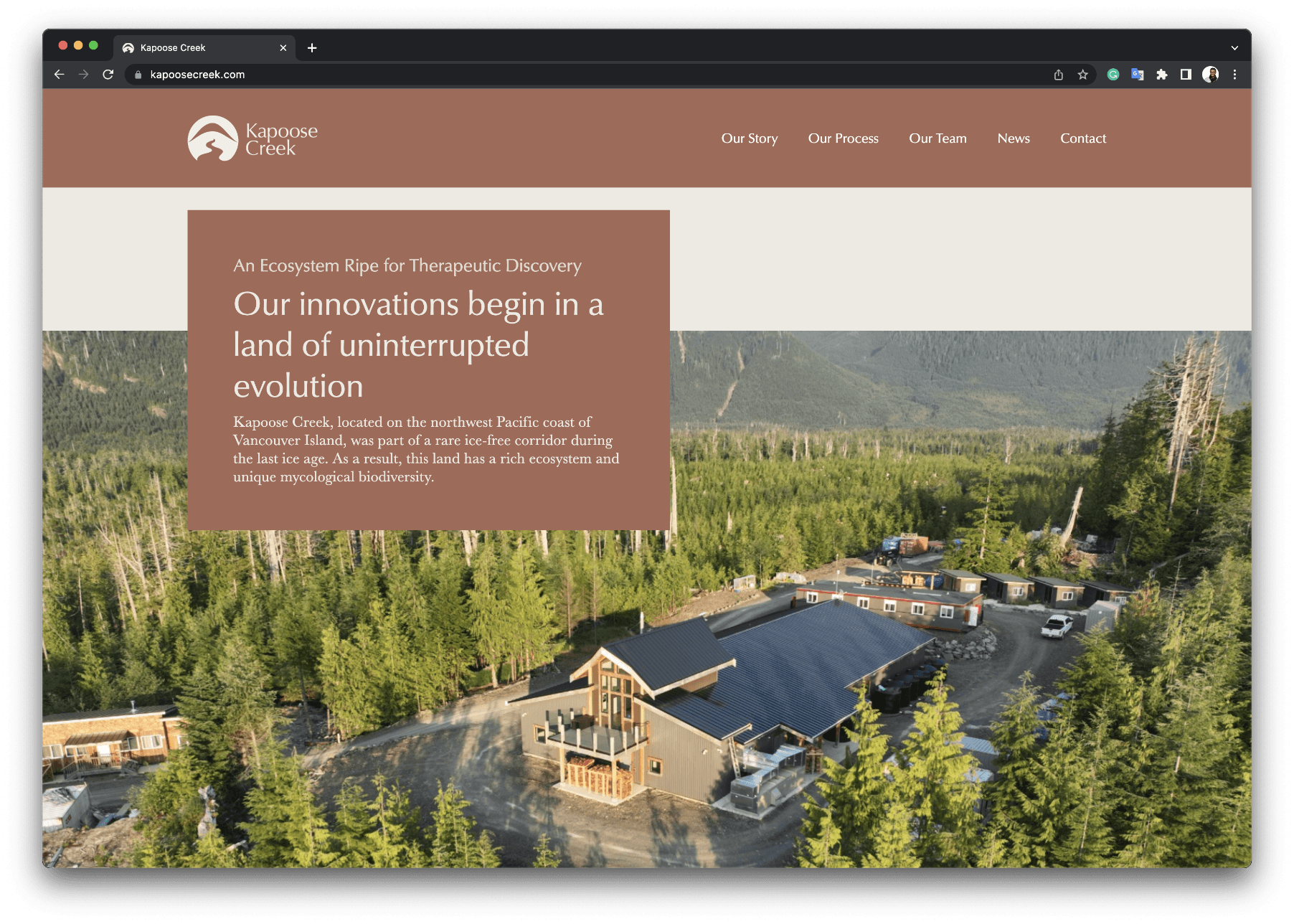
Most companies start with what they do. The strongest brands start with why they exist. As we worked backward through the science, the agriculture, the products, and the research, one detail kept appearing again and again. The soil. Not just any soil. Ancient untouched soil that survived the last Ice Age. The creek. The ecosystem. The microbiology. The unique growing environment. Everything valuable about Kapoose Creek traced back to a place most competitors could never replicate.
The mushrooms mattered because of the soil. The products mattered because of the soil. The research mattered because of the soil. The soil was the source. Once we saw that, the entire brand became obvious.


THE MOMENTUM
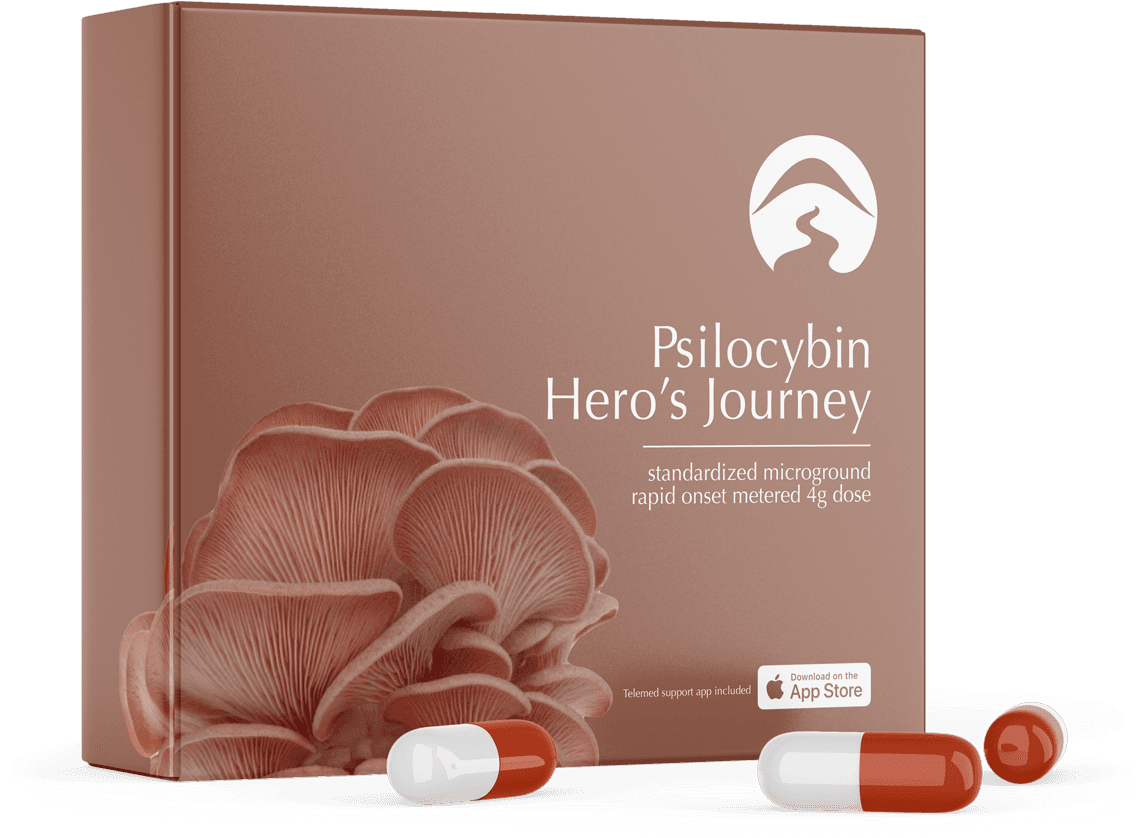
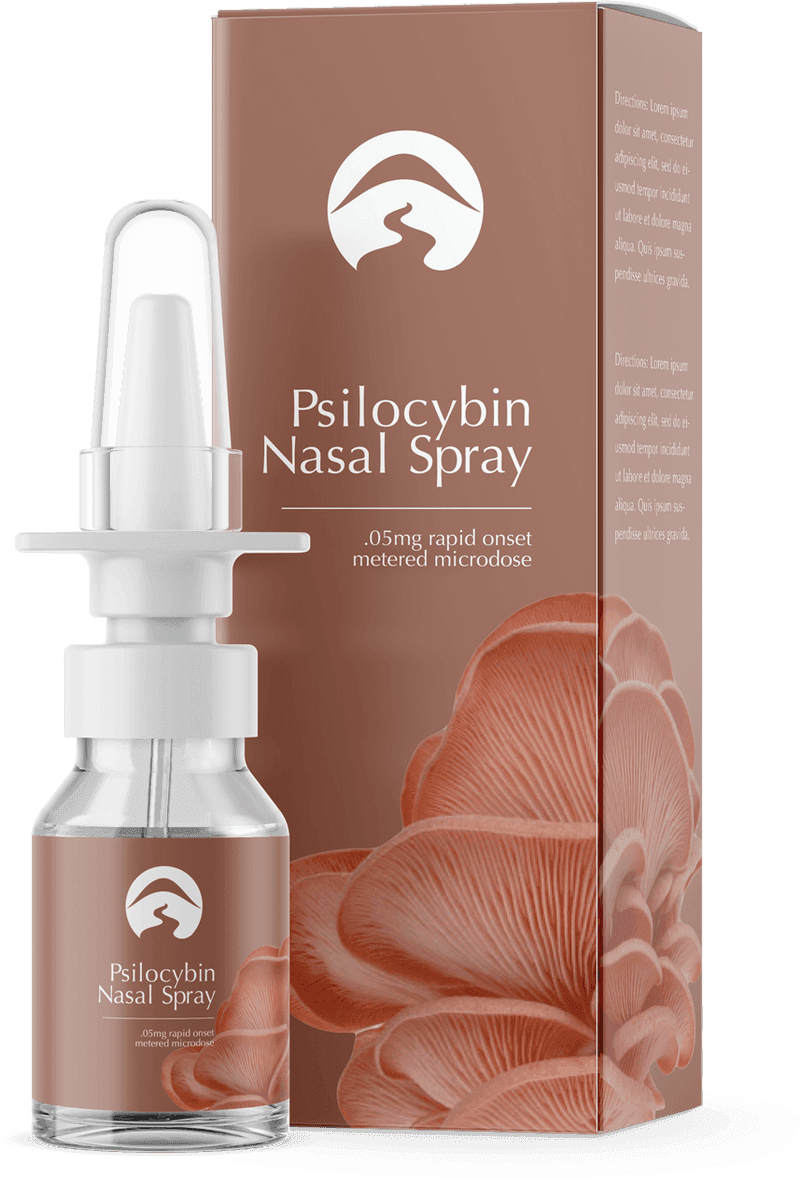
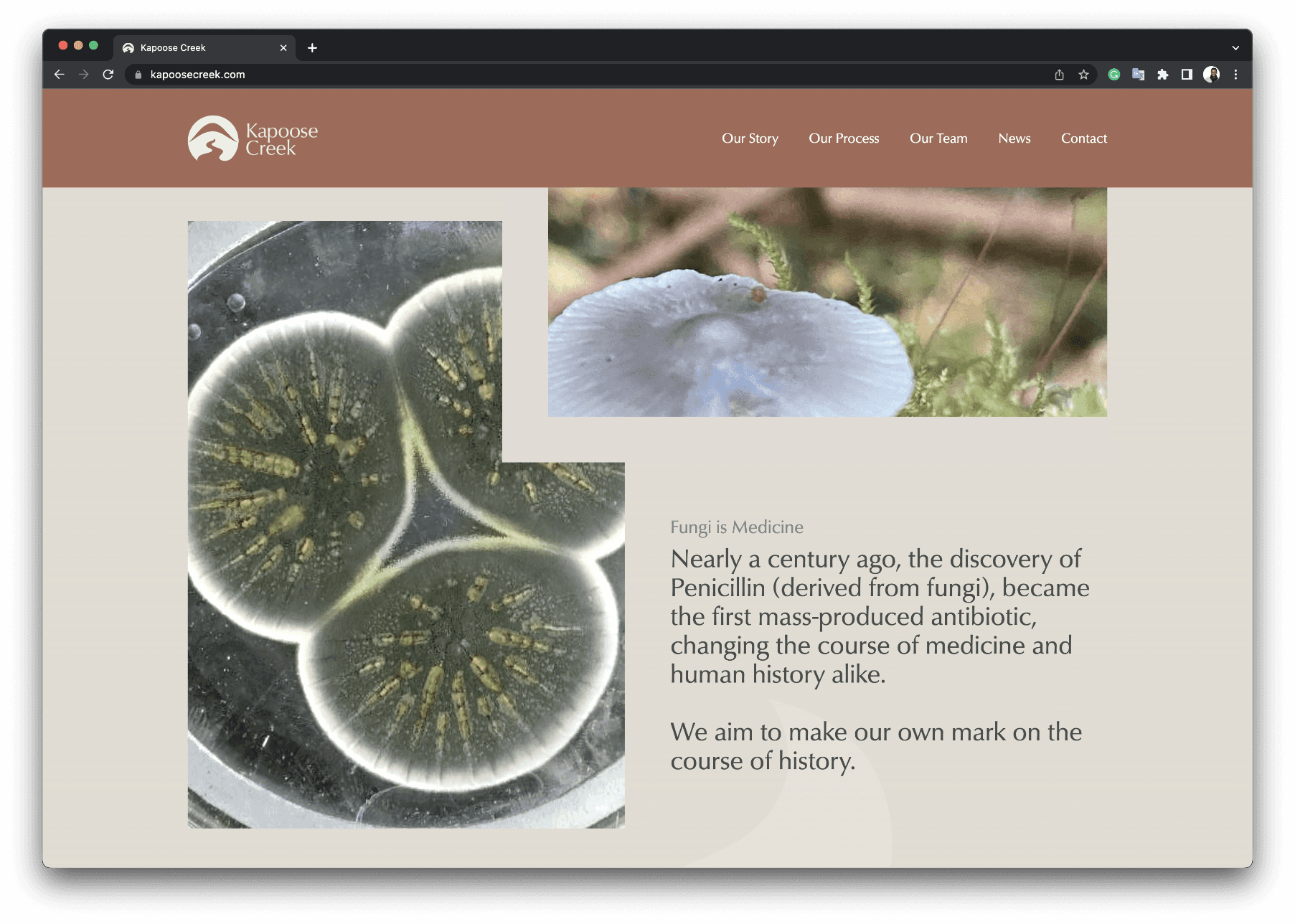
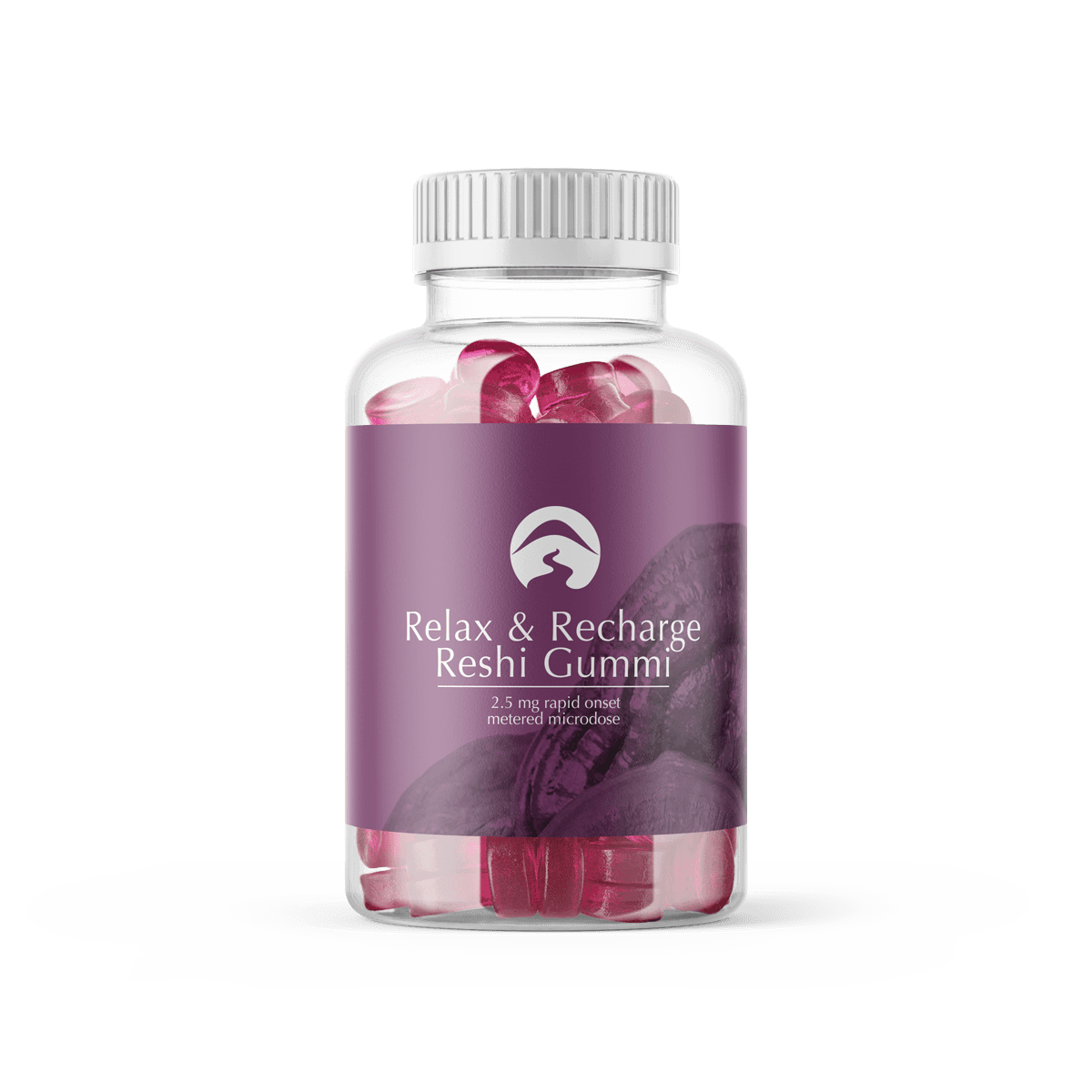
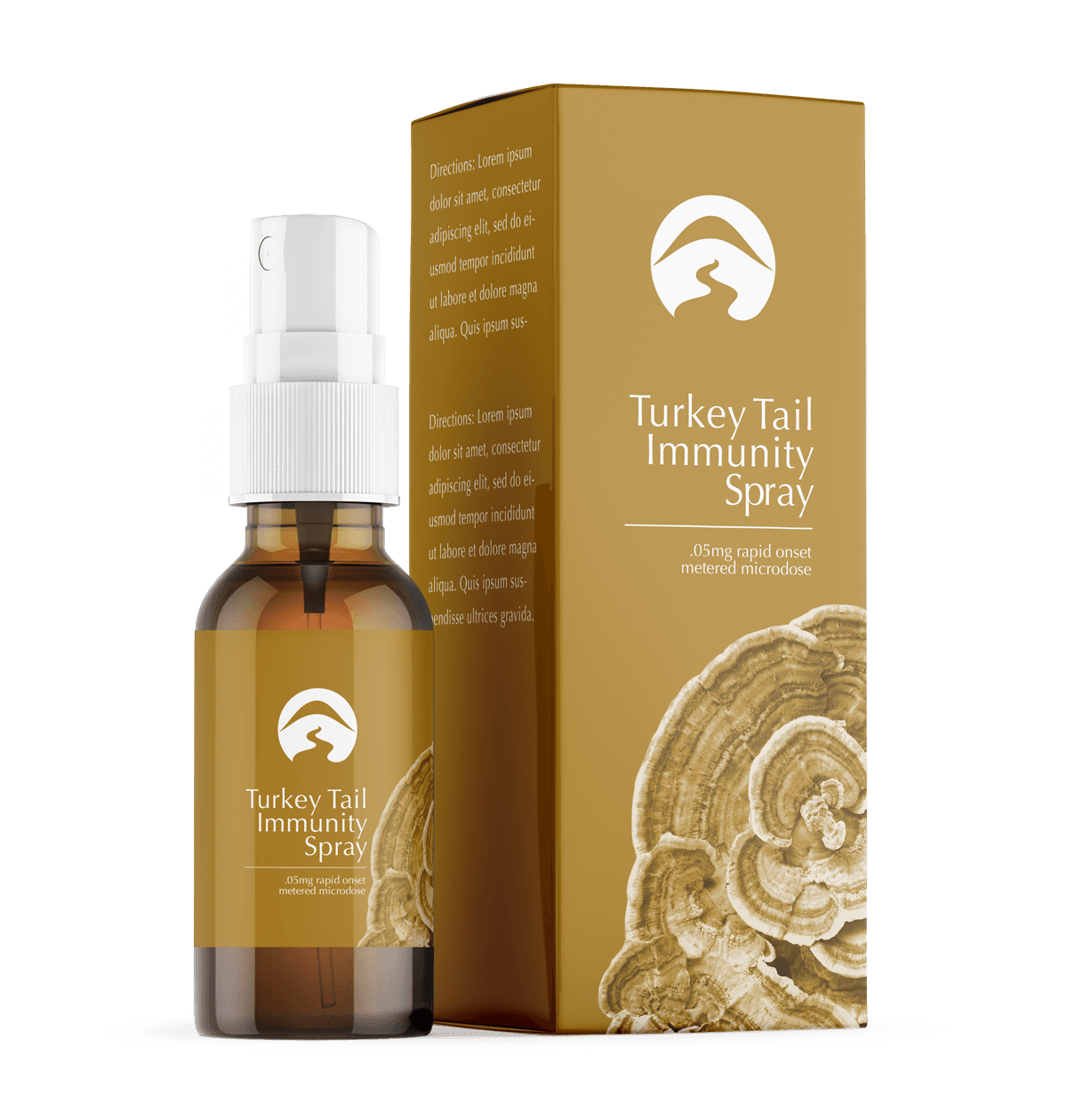
Most wellness brands talk about ingredients. Most mushroom companies talk about mushrooms. Kapoose Creek had something far more valuable. An origin story. When the company stopped trying to explain every scientific detail and started telling the story of the land itself, everything became easier to understand. The positioning sharpened. The messaging simplified. The visual identity emerged naturally. Even the logo revealed itself. The symbol became a creek flowing into the shape of a mushroom. Not because it looked clever. Because it was true. The strongest identities aren’t invented. They’re discovered.
THE PROOF
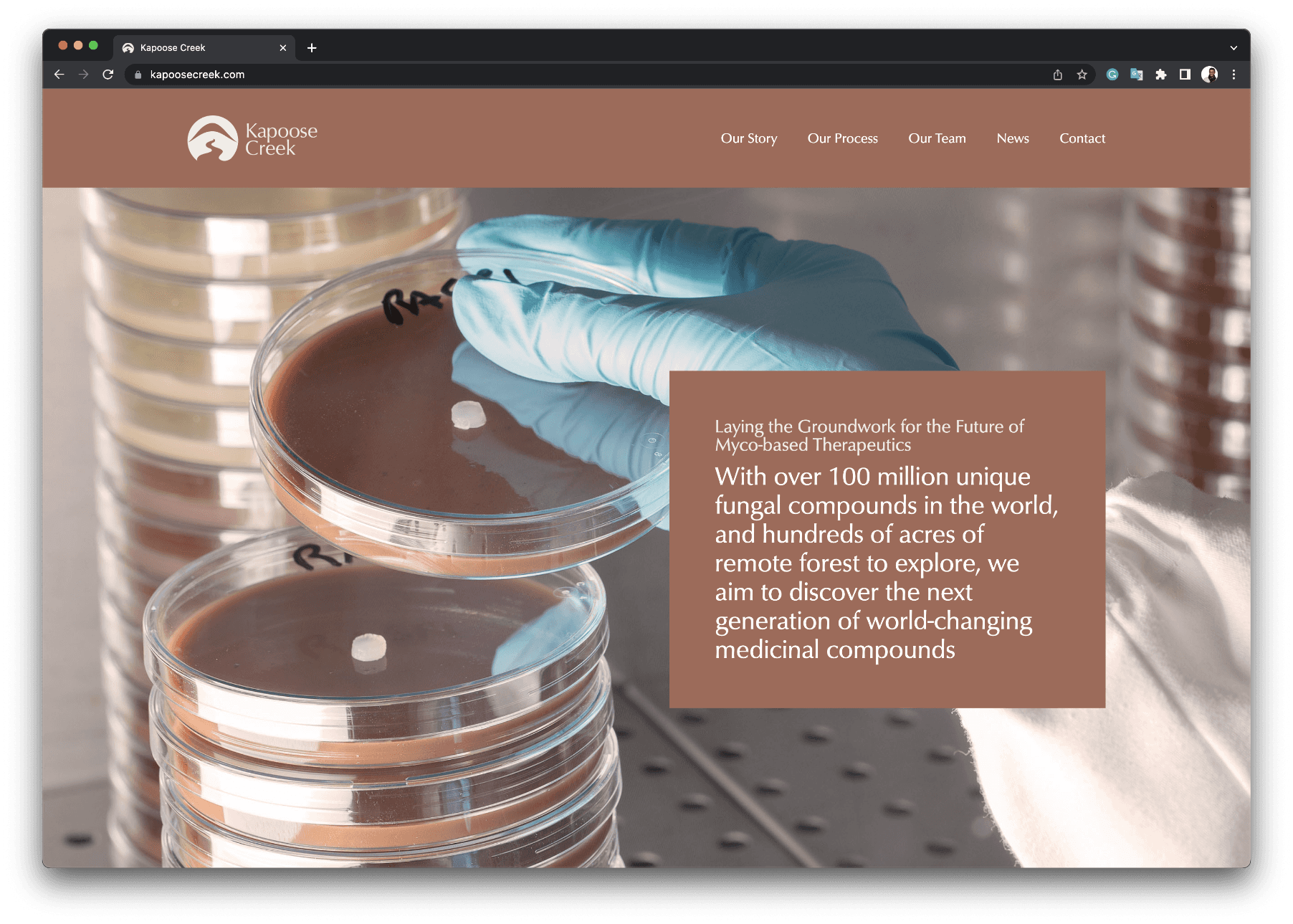
The new positioning created a foundation that could support far more than a single product. What had previously felt like a collection of research projects became a unified brand platform capable of supporting multiple products, audiences, partnerships, and future innovations. Investors understood it faster. Customers understood it faster. Partners understood it faster. Most importantly, the company finally had a narrative capable of carrying the full weight of its ambition. The science remained important. But now people understood why it mattered.
THE PRINCIPLE
One thing I’ve noticed is that founders usually assume the value of their business lives in the thing they sell. The product. The technology. The process. The science. And that’s understandable because they’ve spent years building it. But when you look closely, the strongest brands are rarely built around the thing itself. They’re built around the reason the thing matters.
When we started working with Kapoose Creek, there were dozens of directions we could have gone. We could have talked about functional medicine, regenerative agriculture, AI-powered discovery, clinical outcomes, or the growing interest in psychedelics. All of those stories were true. The problem was that none of them felt foundational. They felt like branches. So we kept asking questions.
Eventually we found ourselves talking less about mushrooms and more about the place they came from. An untouched ecosystem. Ancient soil that survived the last Ice Age. A creek that had quietly shaped everything around it for thousands of years. The deeper we looked, the more obvious it became that this wasn’t a mushroom story at all. The mushrooms were simply evidence that something special was happening underneath the surface.
That’s a pattern I’ve seen again and again. The most valuable part of a business is often hiding one layer deeper than where everyone is looking. Once you find it, the brand starts to reveal itself. The messaging becomes clearer. The design feels inevitable. Decisions become easier. You’re no longer trying to invent meaning. You’re uncovering the thing that was creating meaning all along.
For Kapoose Creek, the creek wasn’t part of the story.
It was the source of it.
THE CO-FOUNDER'S WORDS
"Rahul gave us our Nike swoosh!"
- Dr. Joe, Medical Lead, Kapoose Creek Bio
MORE PROOF
Clarity builds trust and creates momentum
Every project is built to solve a business problem. We help companies become more recognizable, more trusted, and more valuable in the eyes of their customers. We help founders transform scattered ideas into cohesive brands that feel credible, premium, and emotionally aligned.