CASE STUDY: 21ROCS
21Rocs: From Supply Chain Collapse To National Distribution
When Ron Berman first reached out, 21Rocs wasn’t looking for a rebrand. It was looking for a second chance.
A supply chain disruption had eliminated access to a key ingredient, forcing products off shelves and bringing momentum to a halt. What had once been a growing beverage company suddenly found itself with an unexpected opportunity:
Start over.
Most founders would have tried to recreate what they had before. Ron wanted to build something better.
CORE INSIGHT: Perception Creates Reality
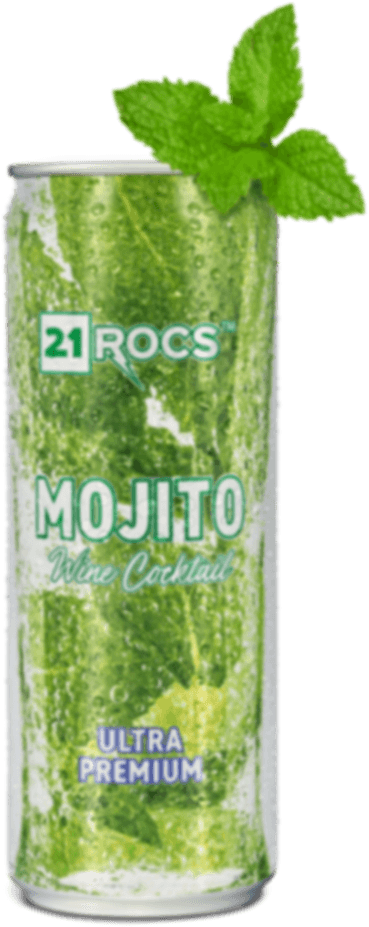
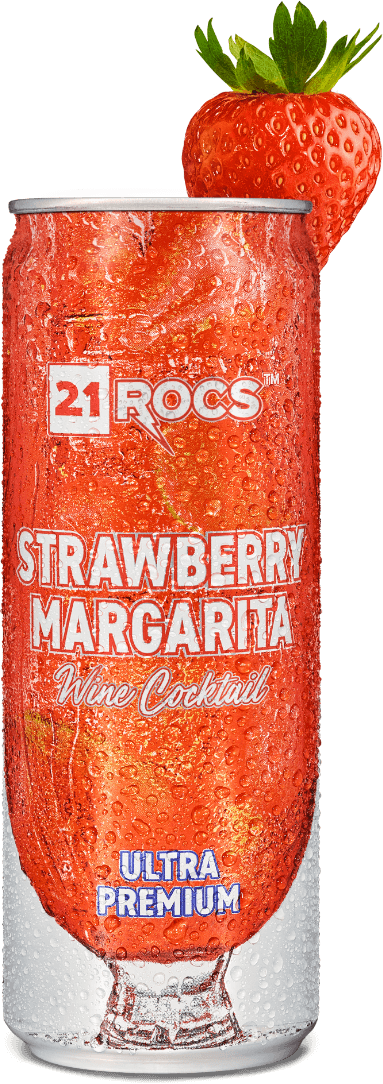
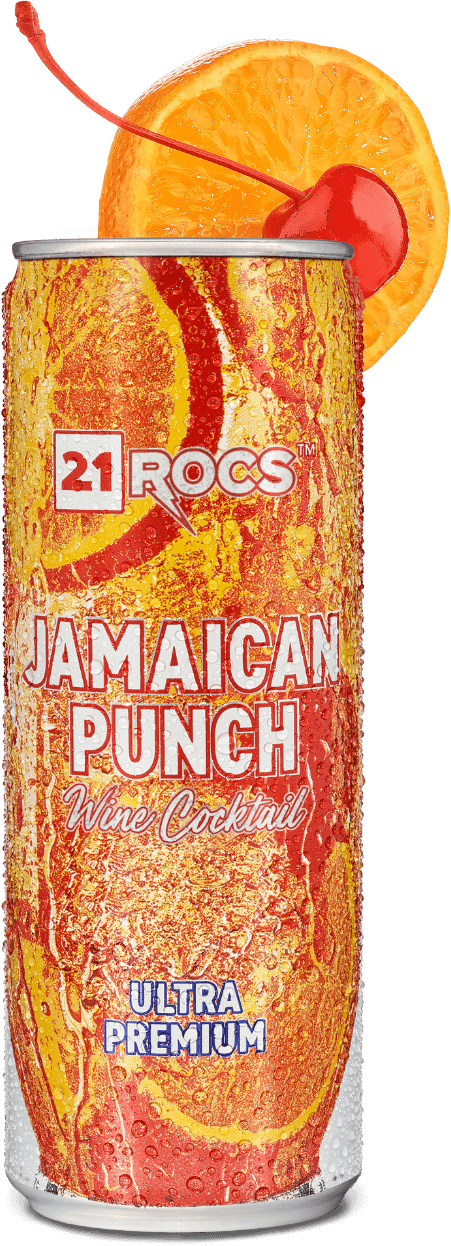
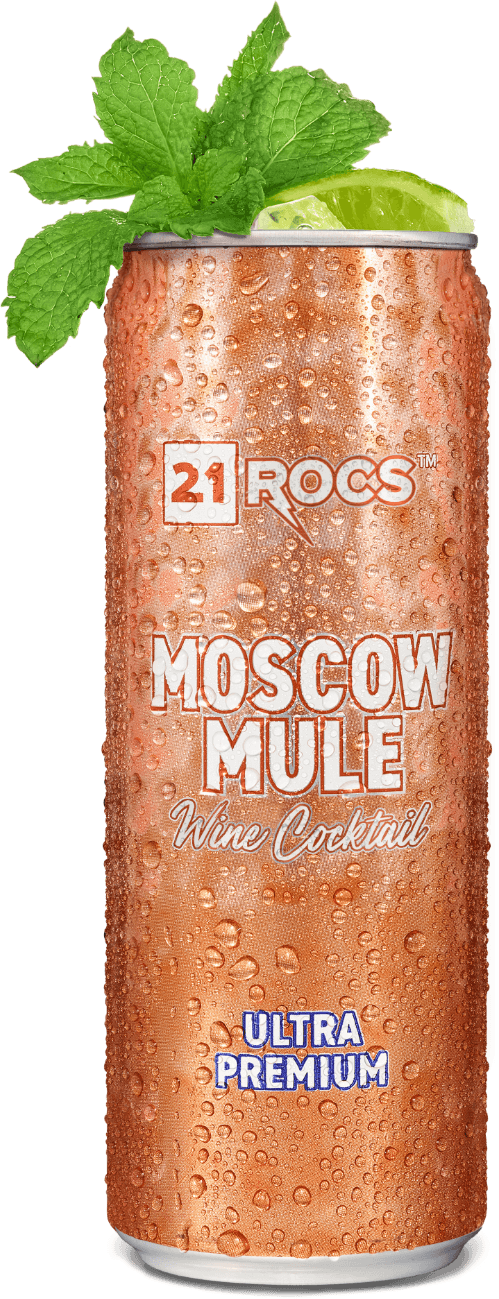
THE FRICTION
The previous version of 21Rocs had experienced success, but success can hide problems. The packaging felt dated. The product wasn’t living up to its potential. The brand wasn’t communicating the quality Ron believed the company could deliver. Rather than simply relaunching the old business, we asked a different question: If we were building this company from scratch today, what would we create?
THE INSIGHT
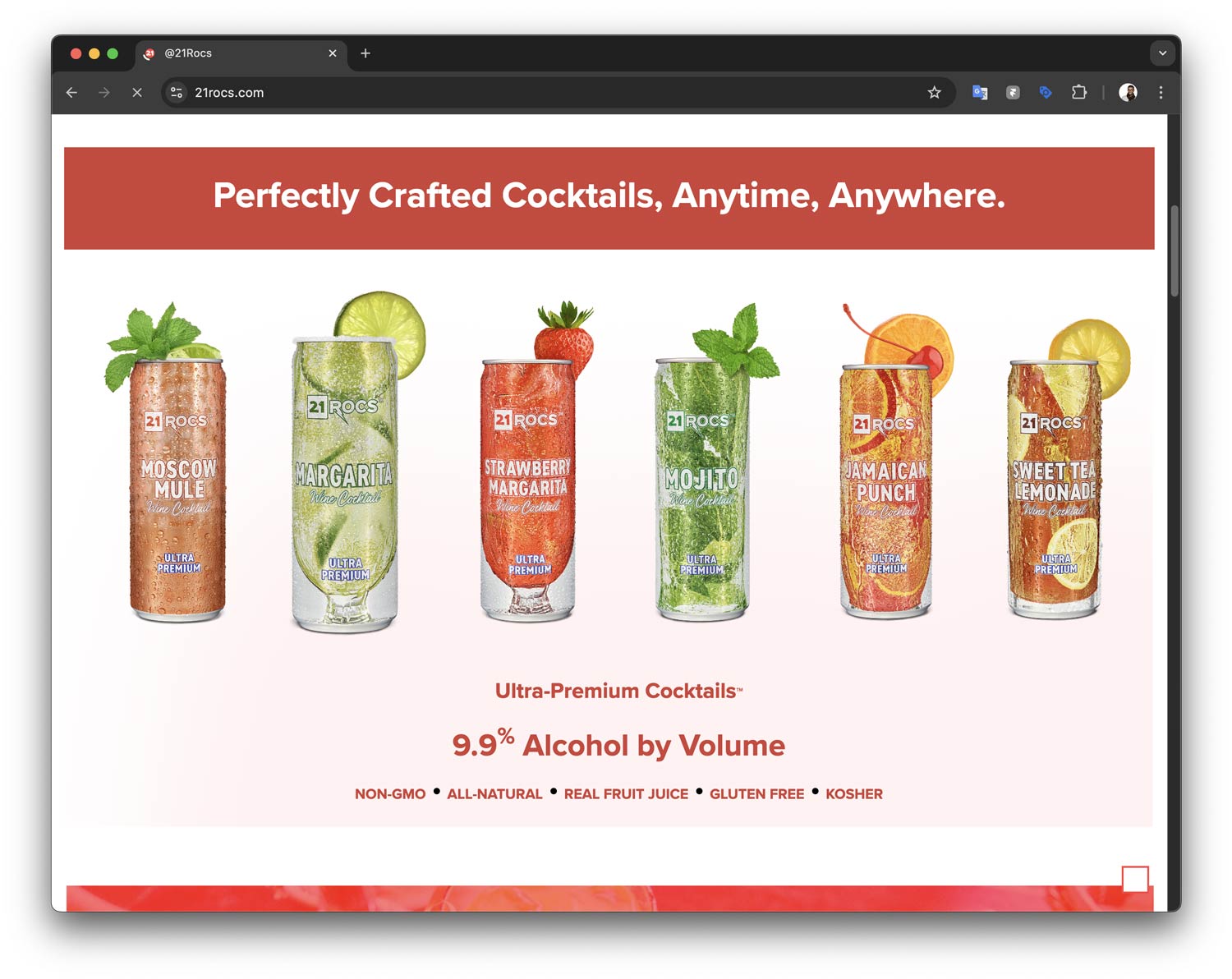
Most beverage brands focus on packaging first. We focused on the liquid. Because perception matters. But the product has to earn it. We brought in a world class mixologist and rebuilt the recipes from the ground up. The goal wasn’t to create another canned cocktail. The goal was to create something that could be served at a luxury New York hotel and feel completely at home. Before we redesigned the brand, we elevated the experience. Now we had something worth amplifying.
THE MOMENTUM
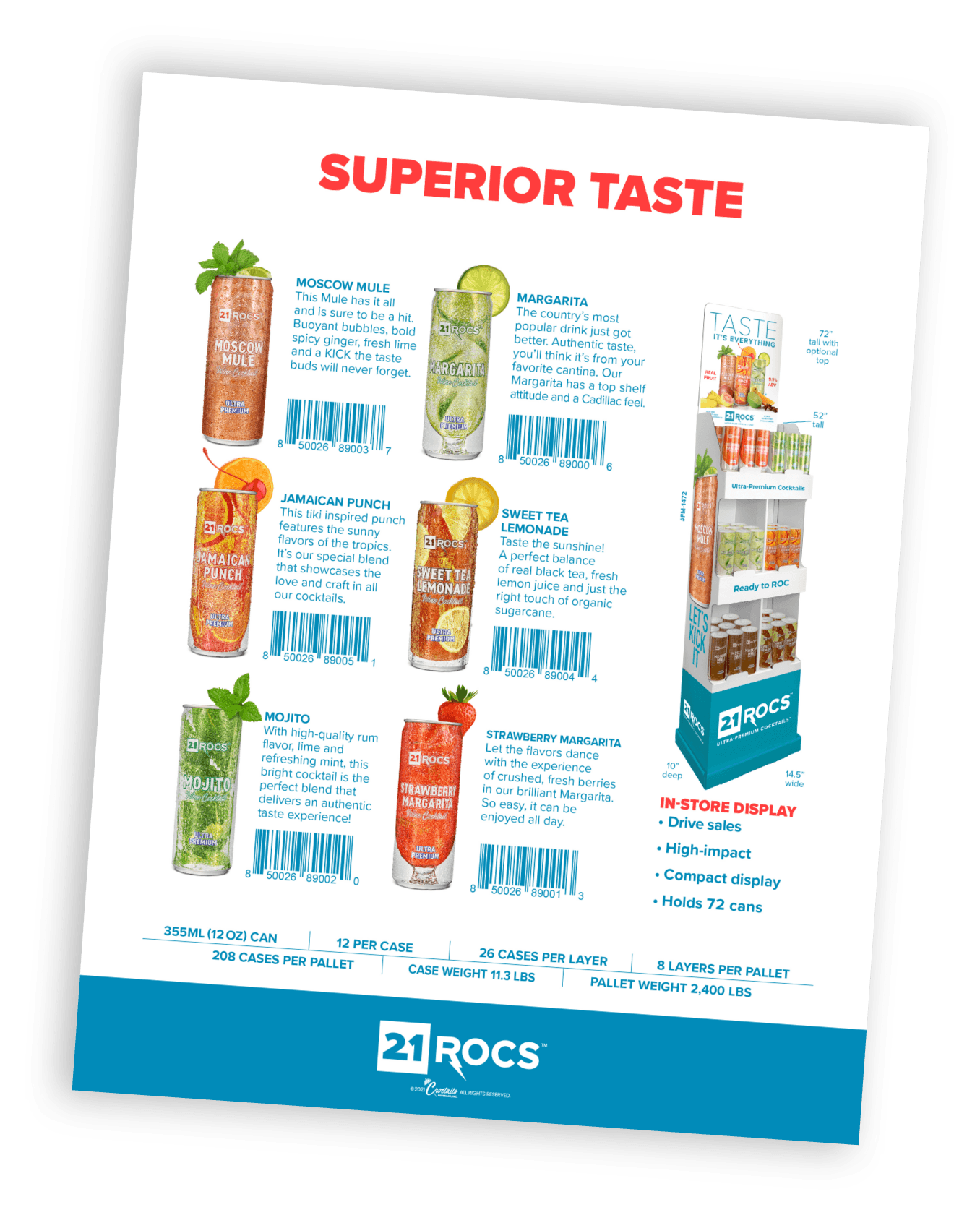
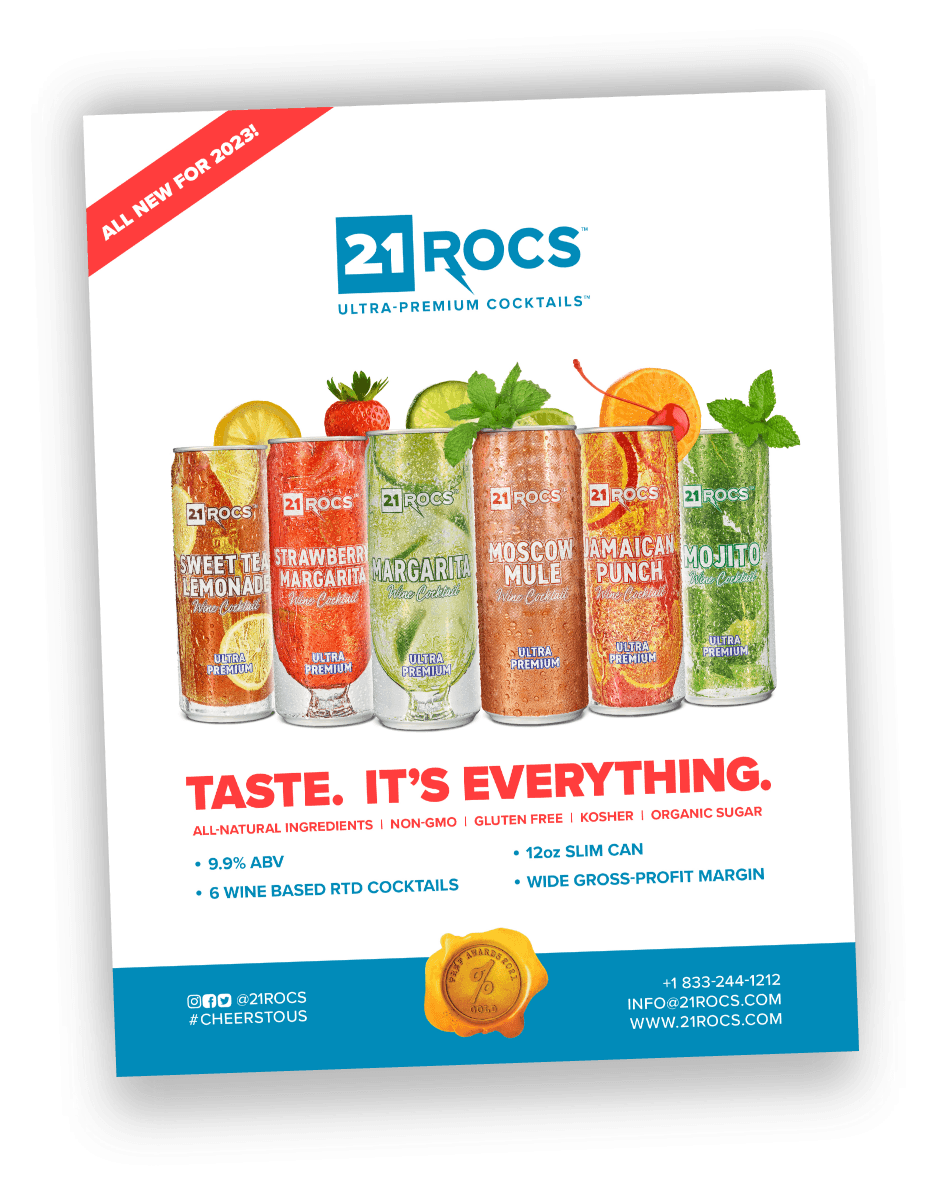
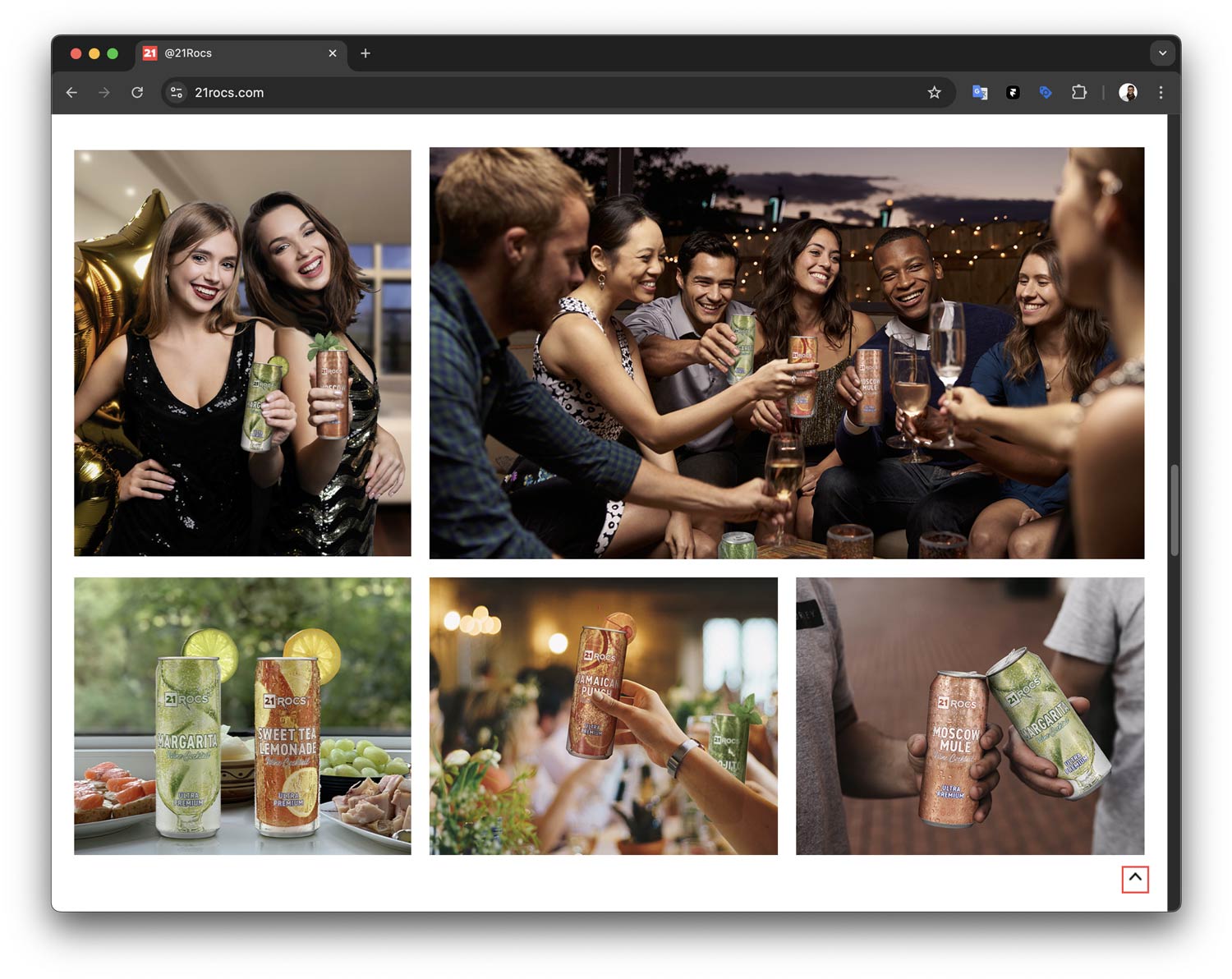
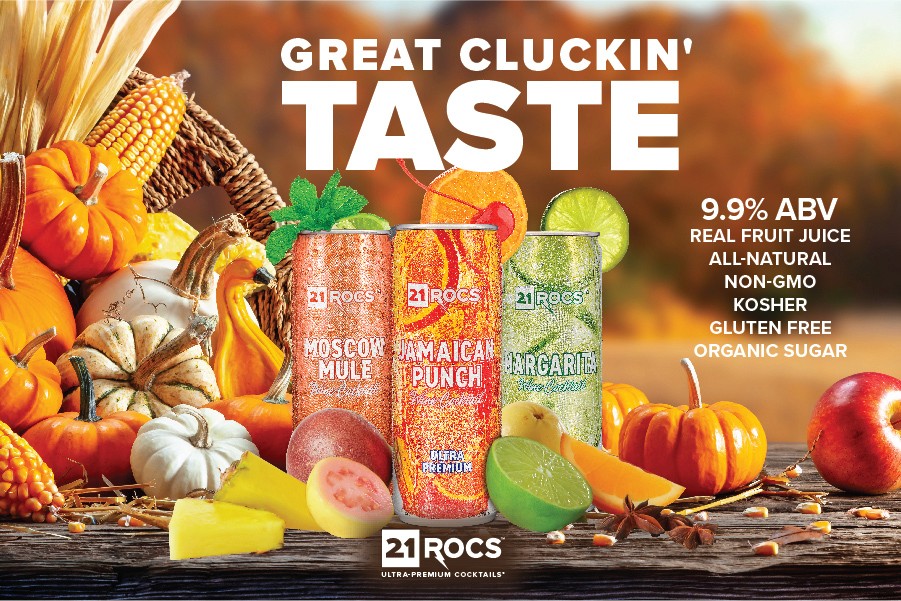
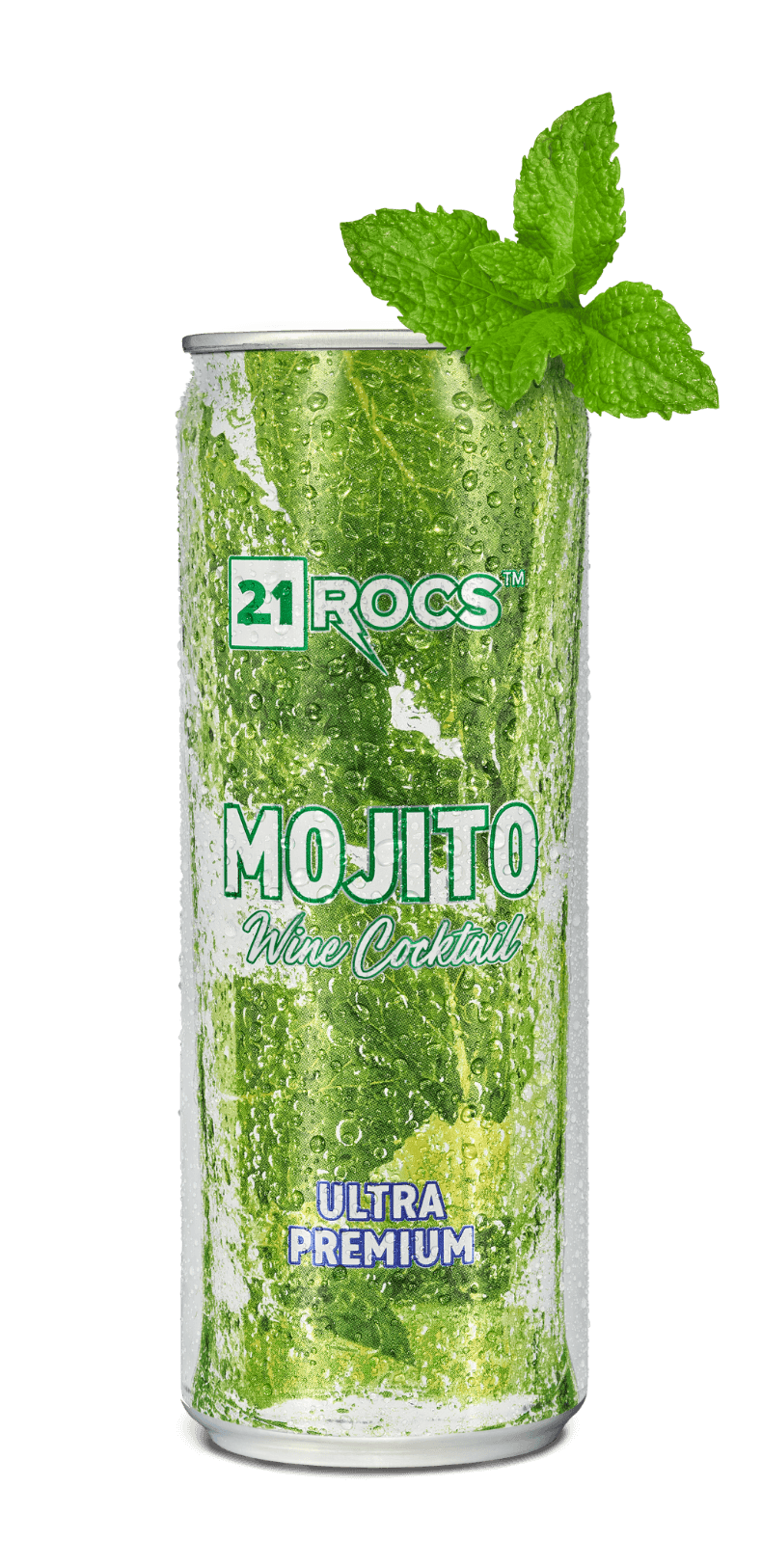
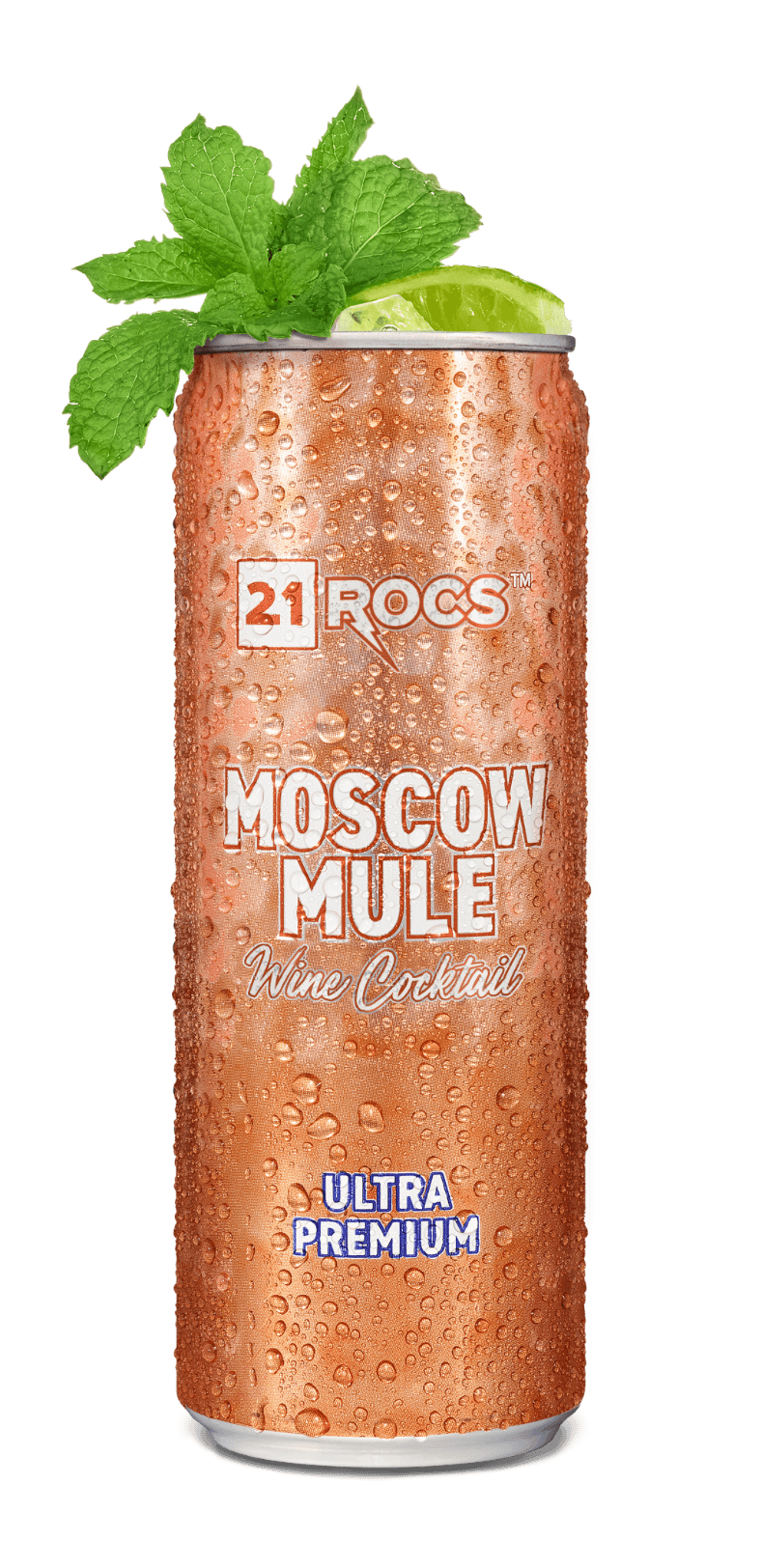
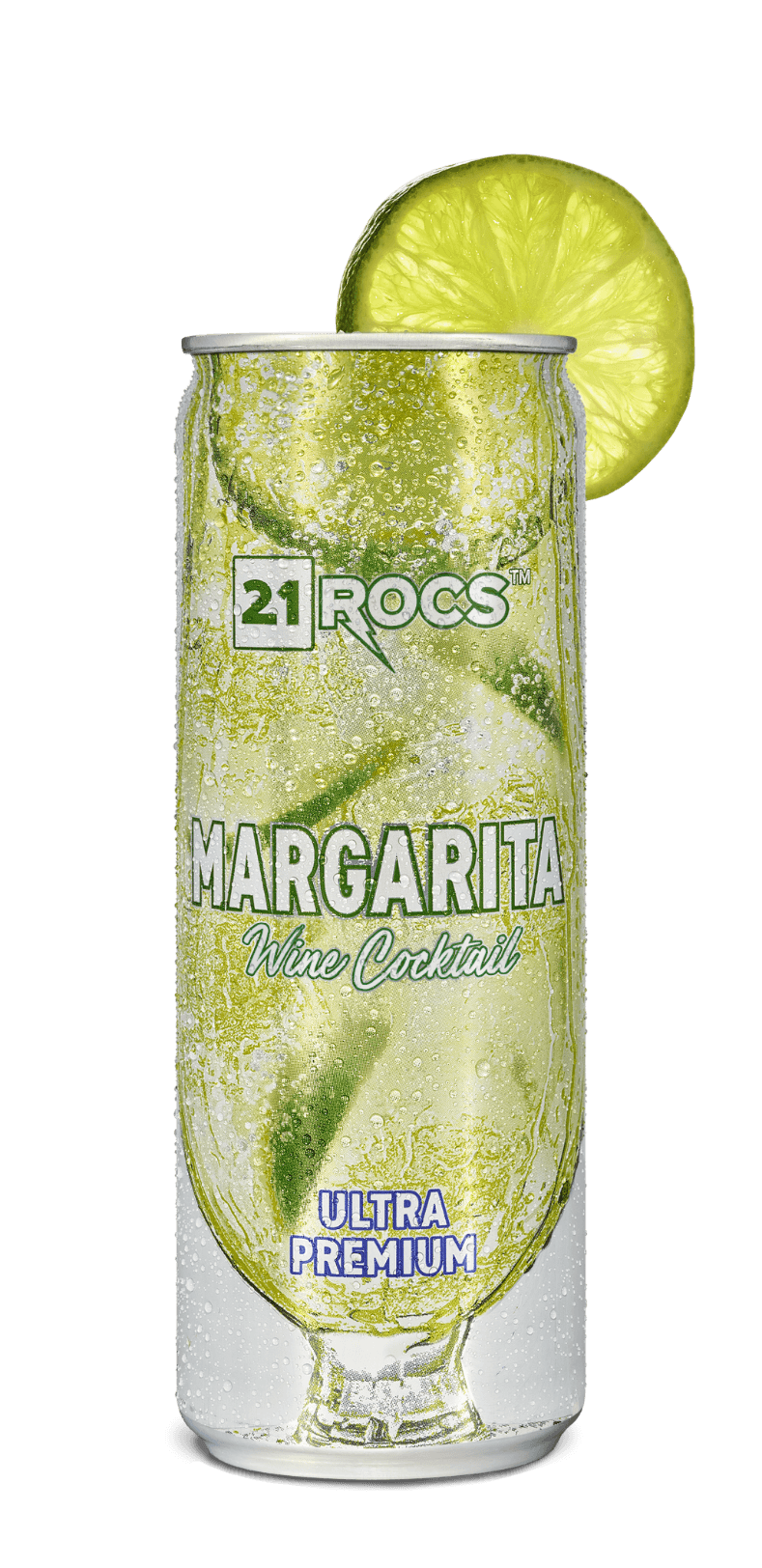
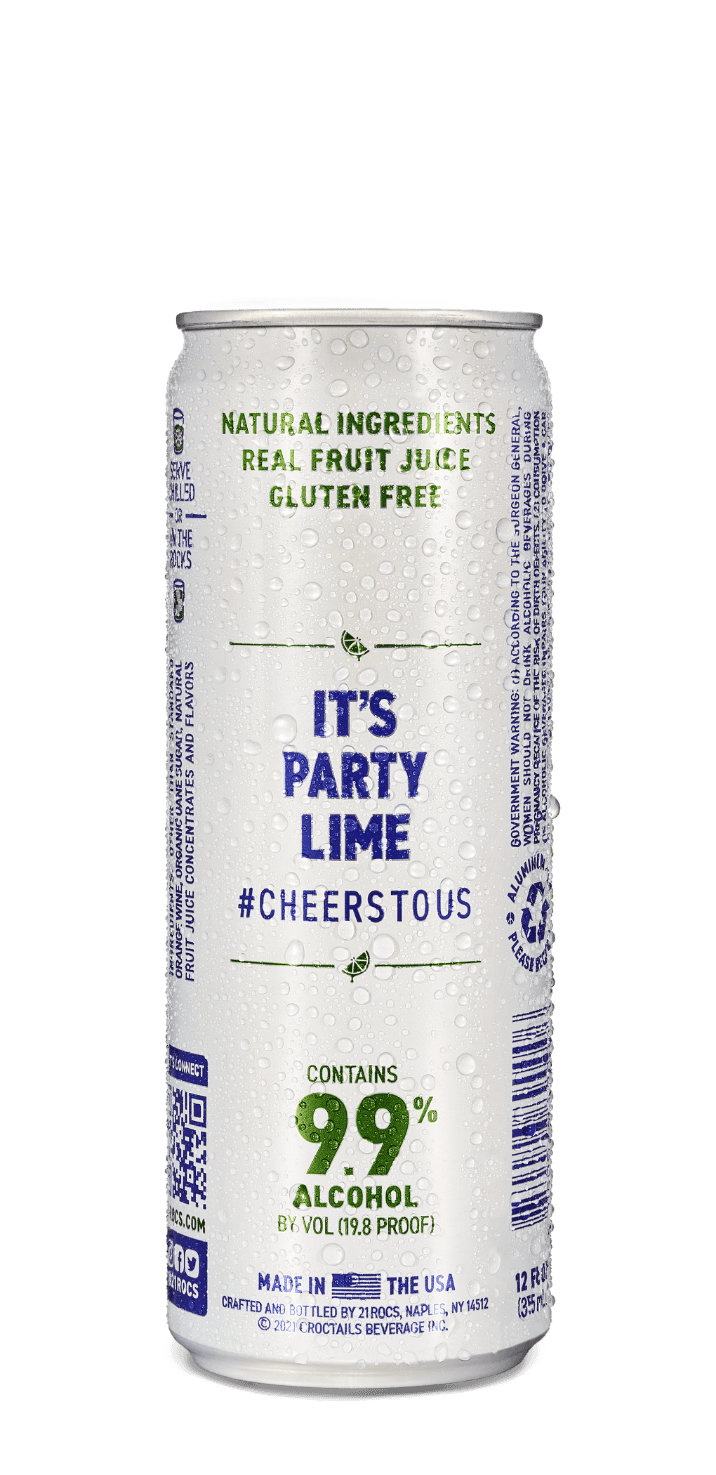
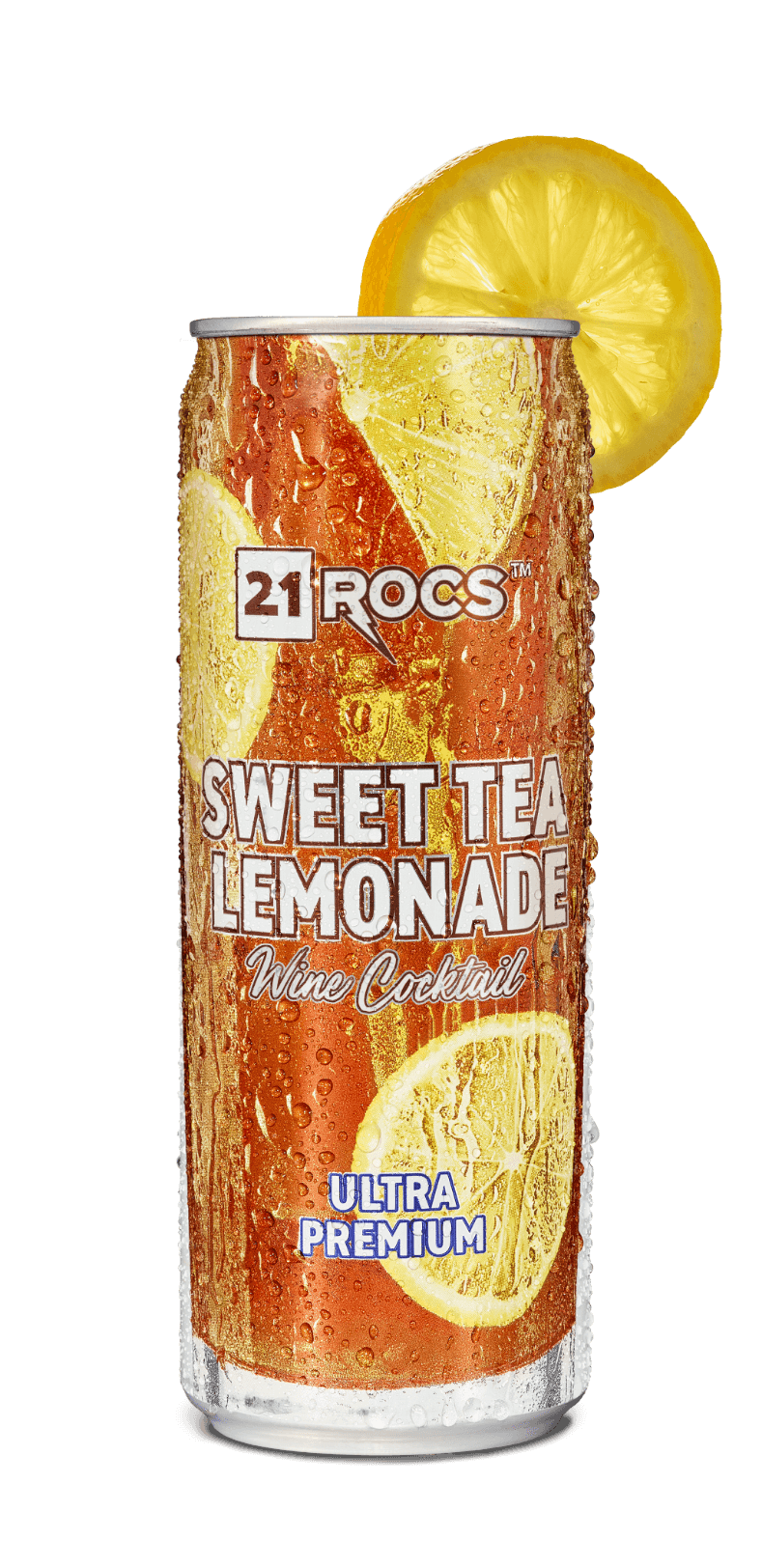
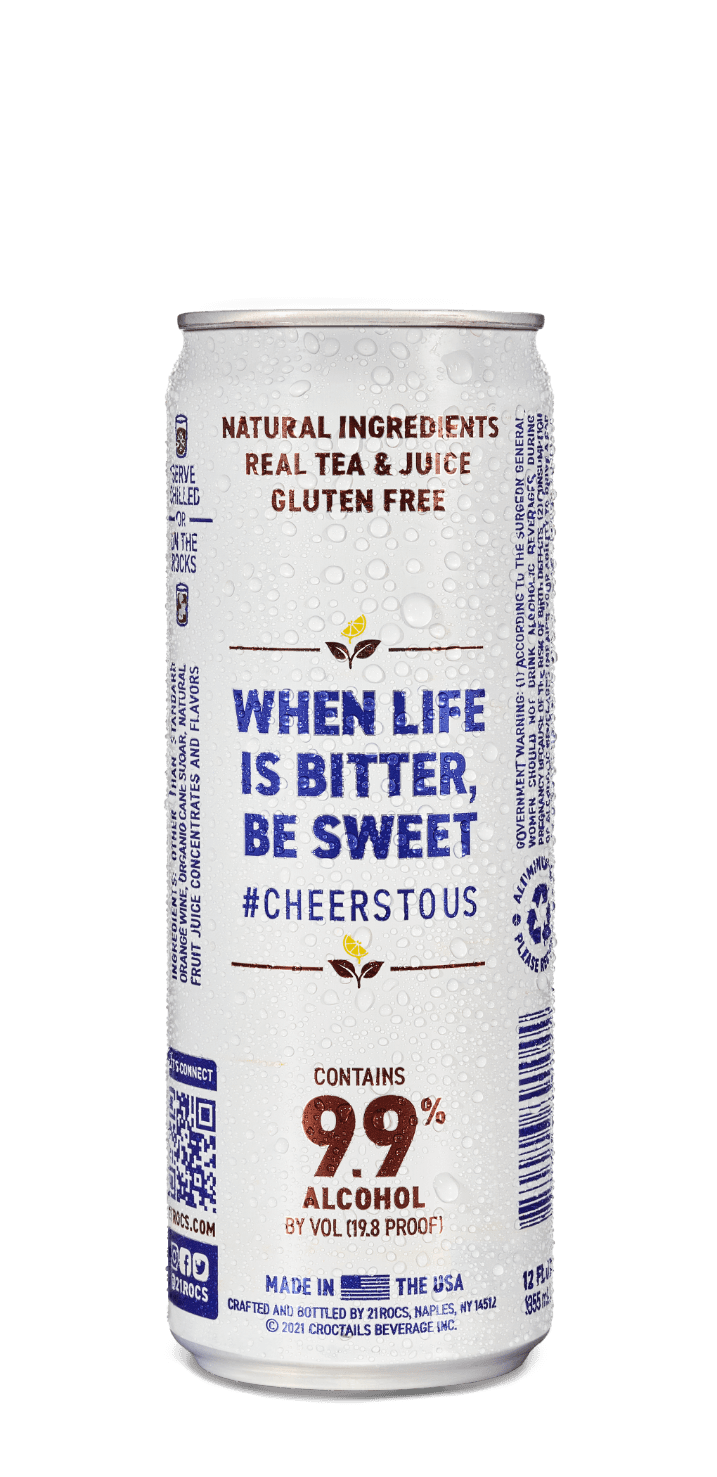
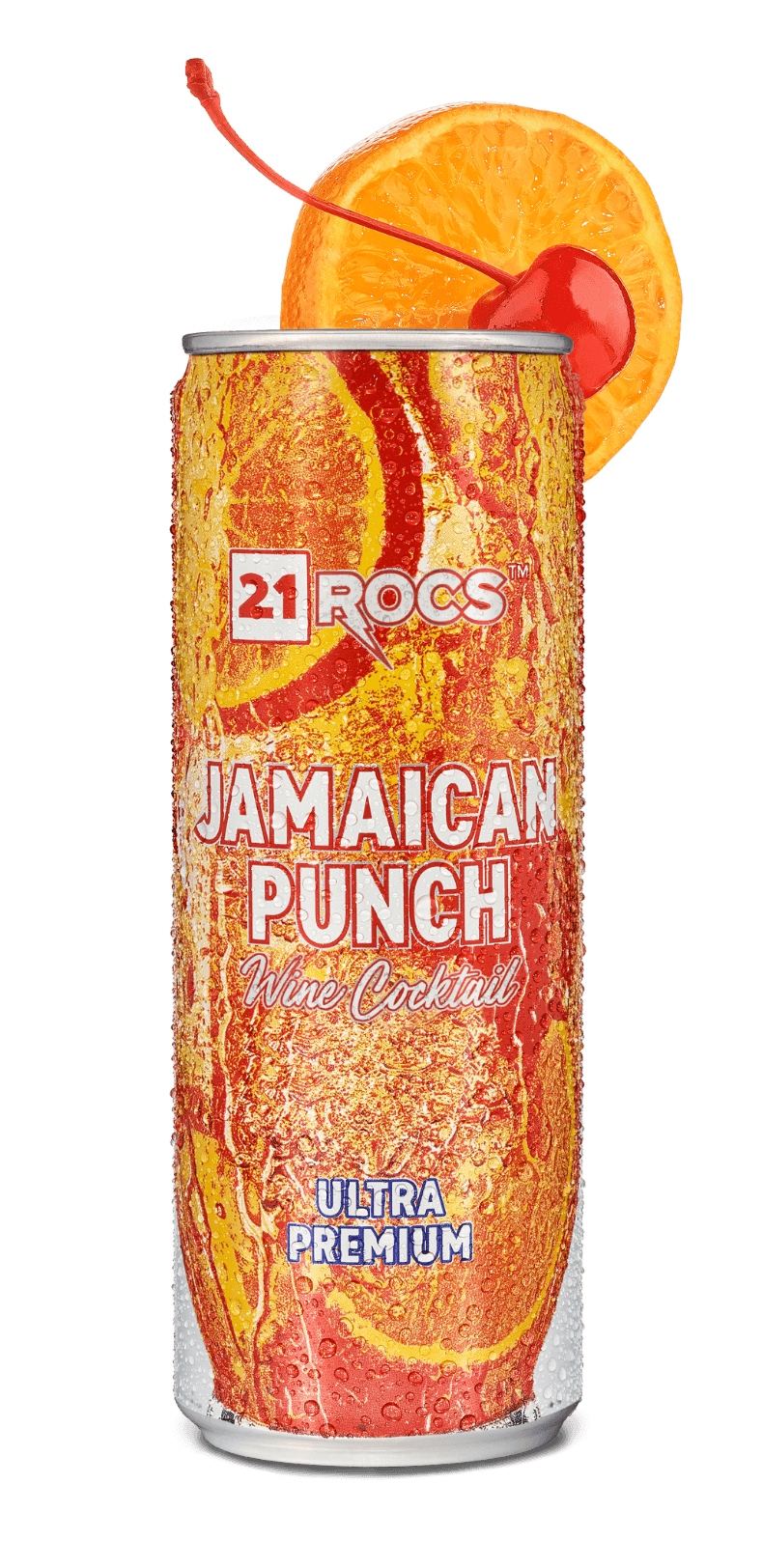
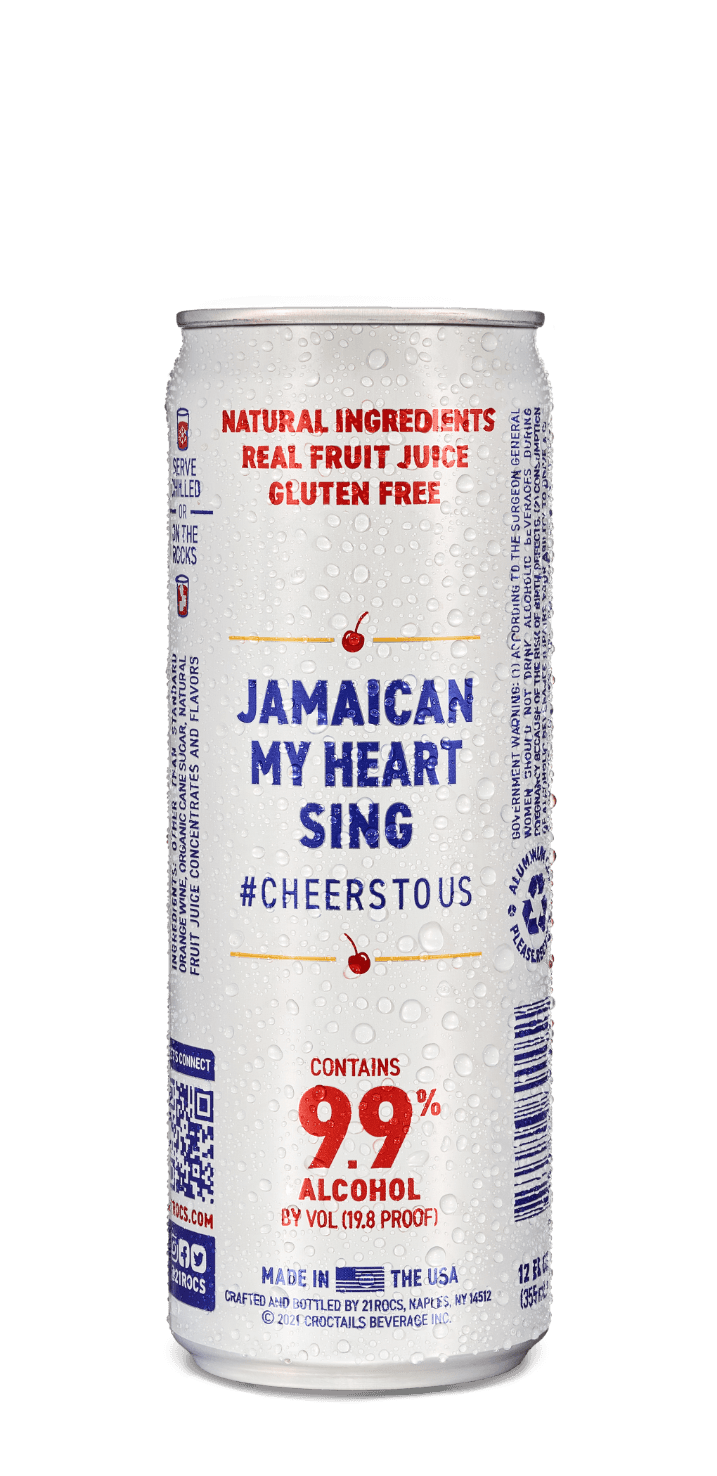
After rebuilding the product from the ground up, the challenge shifted from formulation to perception. The cocktails were finally worthy of a premium audience. The question became whether customers would recognize that quality before taking the first sip. Every decision that followed was guided by a single principle: Perception Creates Reality.
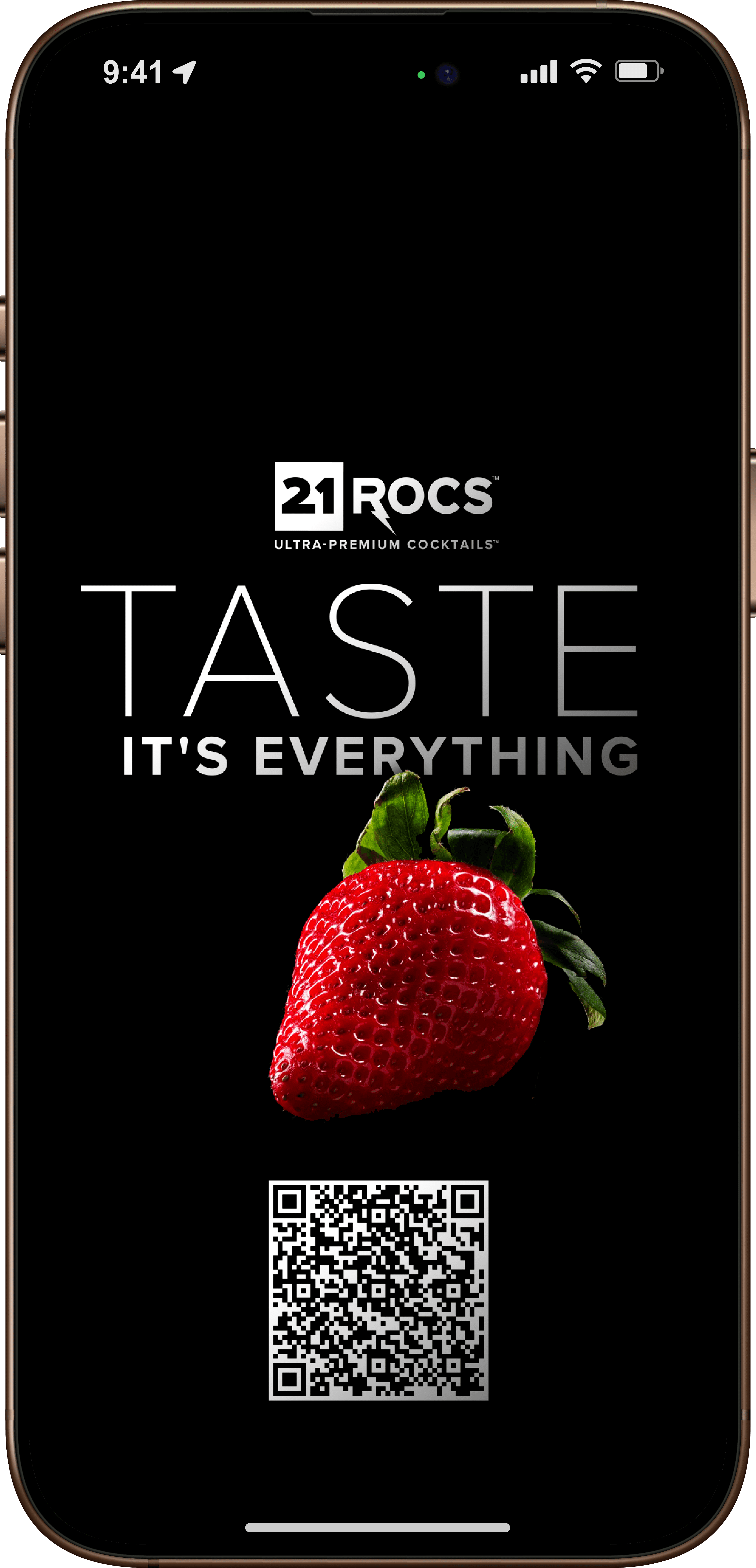
Customers don’t evaluate products objectively. They interpret signals. Packaging. Photography. Language. Shelf presence. The brain is constantly making predictions about quality long before experience has a chance to confirm them.
Our job was not to manufacture a perception that didn’t exist. Our job was to make the quality that already existed impossible to miss.
The cocktails had changed. The brand needed to change with them.
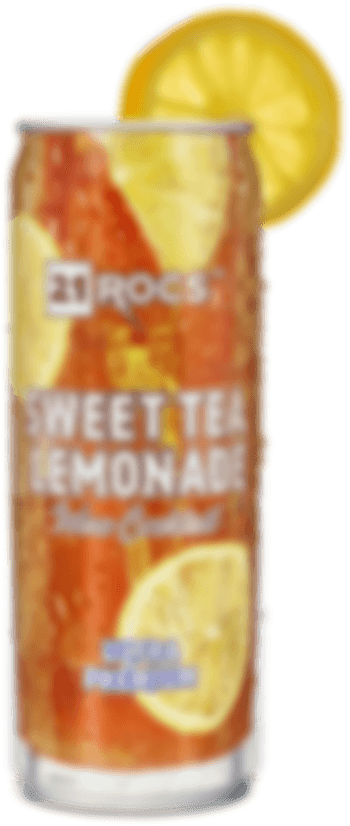
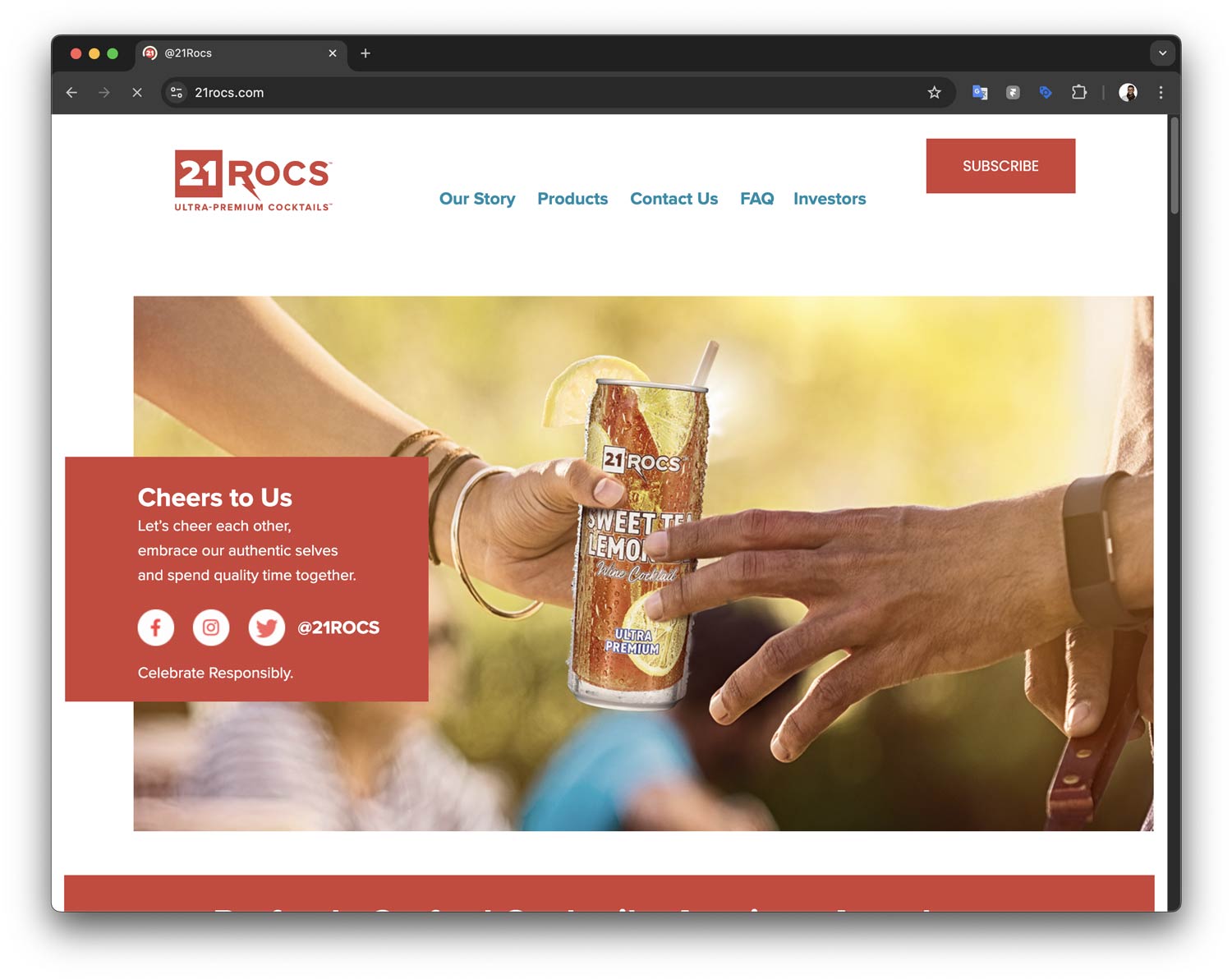
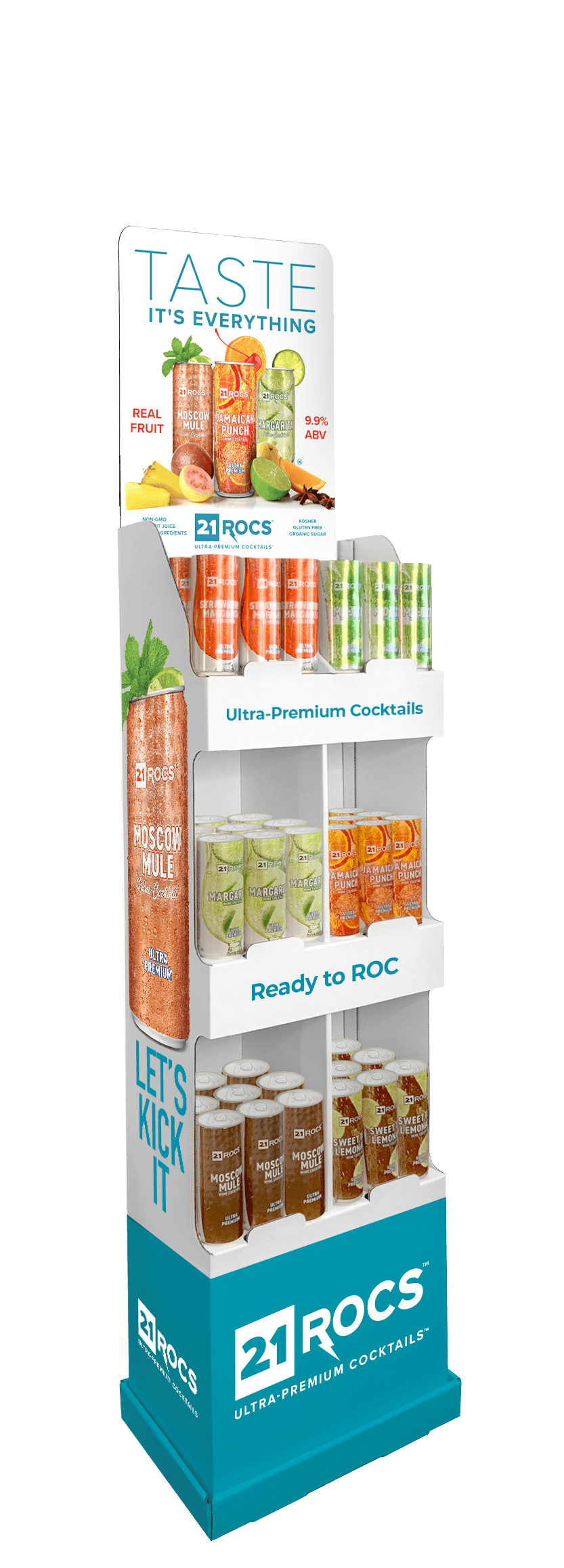
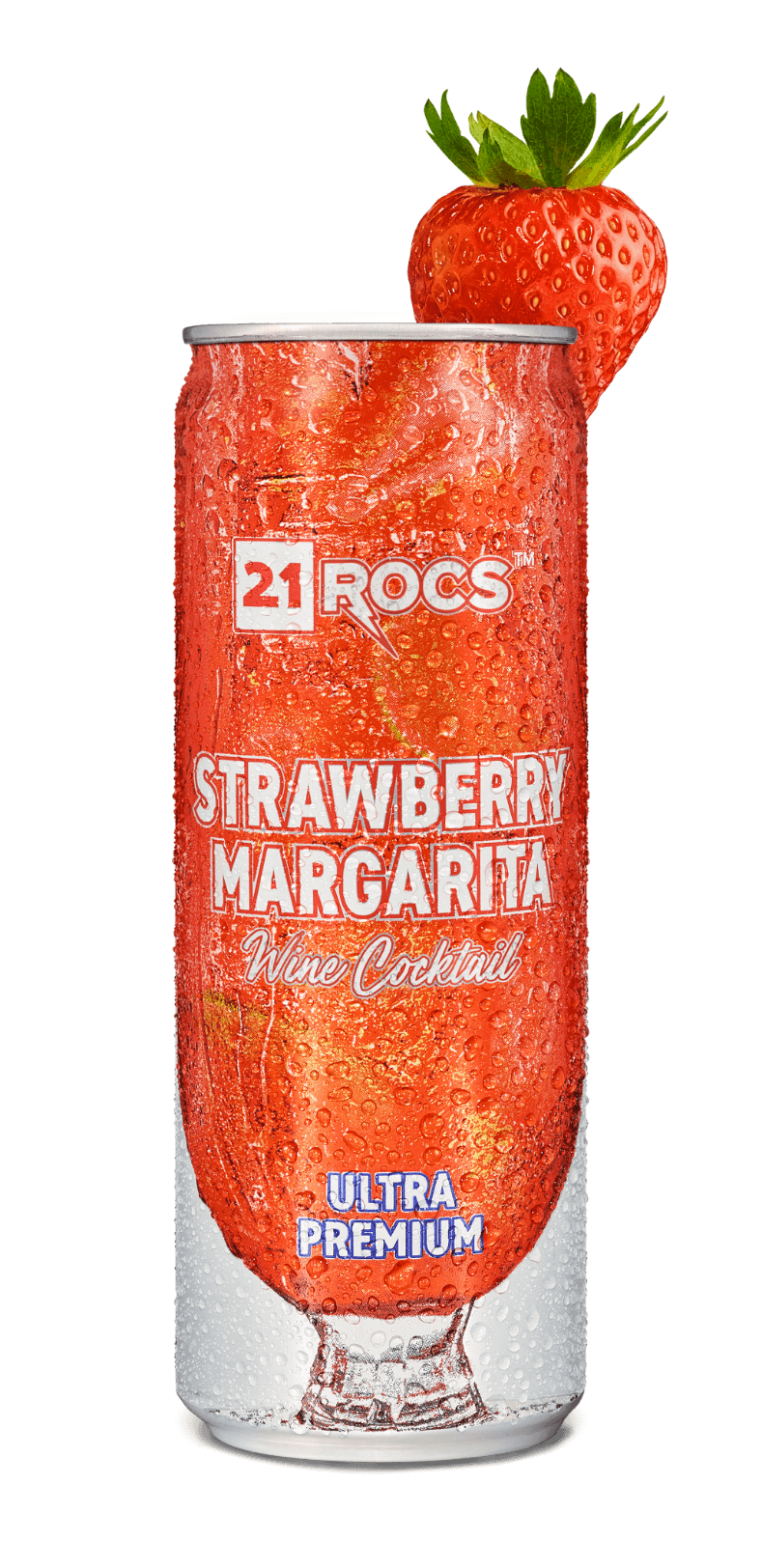
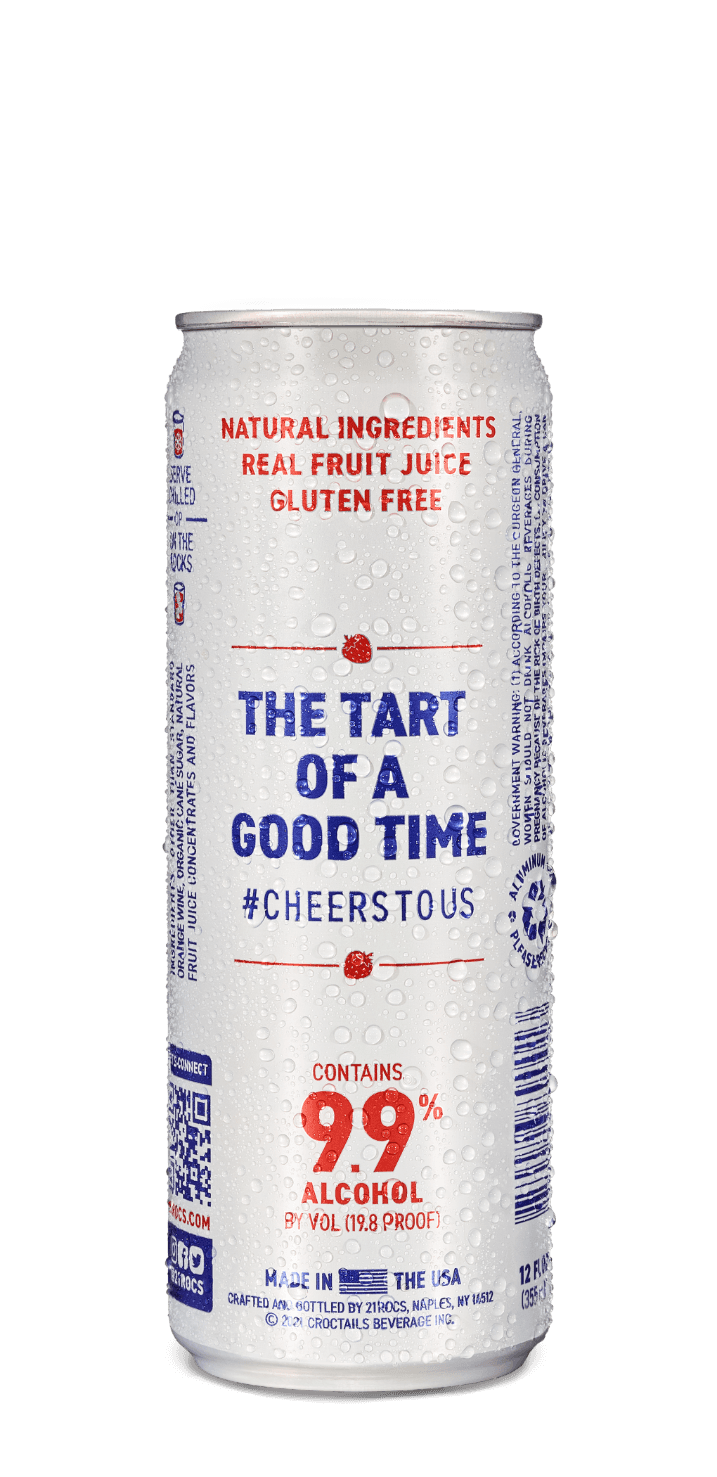
We redesigned every customer touchpoint to communicate the same message: this is not a canned cocktail pretending to be premium. This is a premium cocktail that happens to come in a can.
THE PROOF
The results extended far beyond a packaging redesign.
21Rocs returned to market with stronger products, a stronger brand, and a stronger story.
Today:
More than 2 million cans have been produced
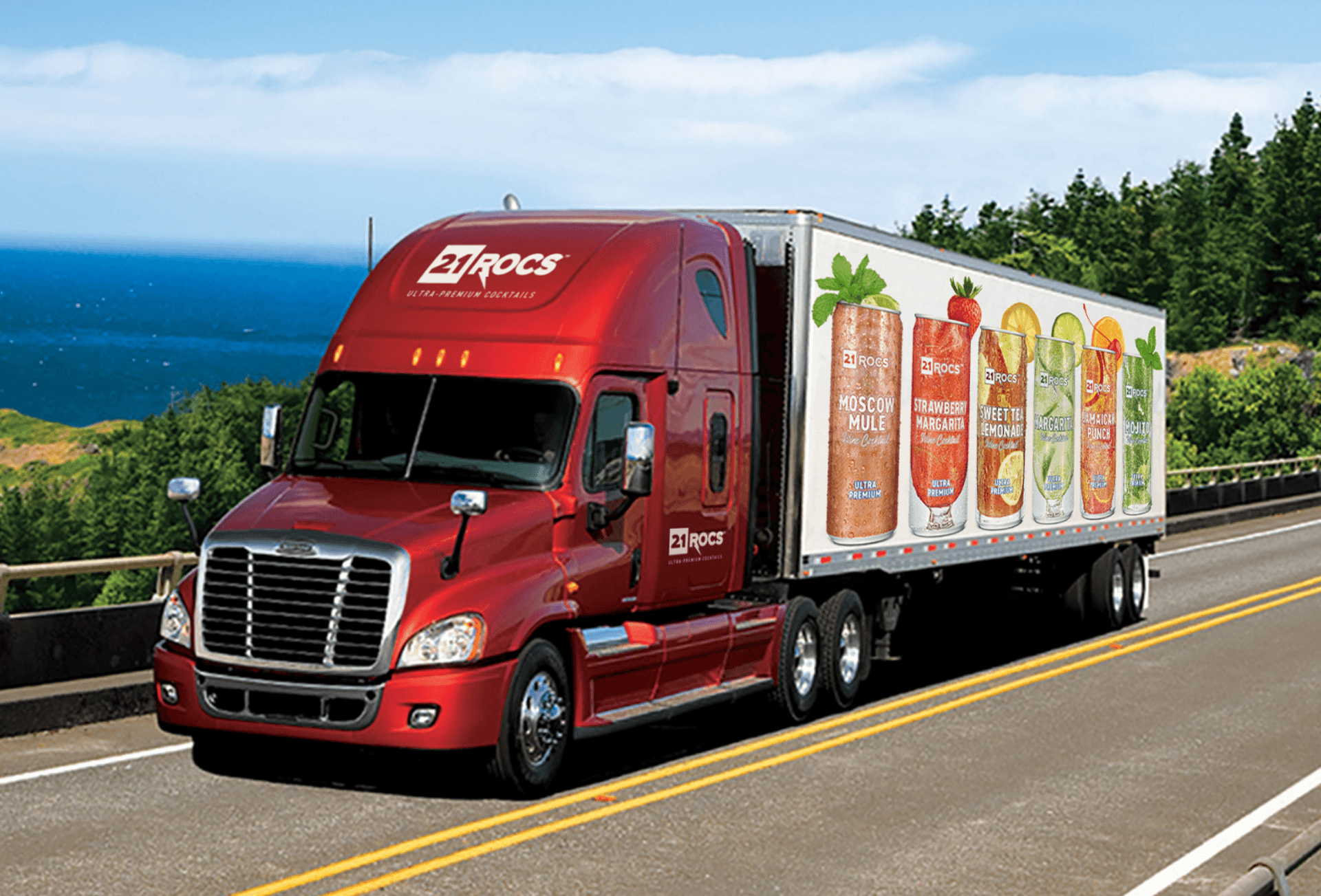
Distribution spans thousands of retail locations
The brand is sold across both East Coast and West Coast markets
Premium positioning supports premium pricing
Shelf velocity increased dramatically
The company transformed a setback into a growth platform
What began as a supply chain crisis became an opportunity to build the company Ron wanted all along.
THE PRINCIPLE
Most people think branding changes how a company looks. The best branding changes how a company behaves. The packaging mattered. The photography mattered. The messaging mattered. But none of those were the breakthrough.
The breakthrough happened much earlier, when Ron chose not to rebuild the company he had lost. He chose to build the company he wished he had from the beginning. The supply chain disruption forced 21Rocs off the shelf. Most founders would have viewed that as a setback to recover from. Ron treated it as permission to rethink everything.
The recipes improved. The positioning sharpened. The product became more distinctive. The perception became more accurate. The business became stronger. That is the lesson of 21Rocs. The goal of branding is not to make something look better than it is. The goal is to make something become what it is capable of being.
When product, perception, and positioning finally align, growth stops feeling forced. Momentum becomes natural. That’s what happened here.
THE FOUNDER'S WORDS
“I’ve worked with designers before. I’ve never worked with a branding team that brought in a mixologist.
Rahul understood something most agencies miss. If the product isn’t remarkable, the packaging can only do so much. Before redesigning the brand, he helped us elevate the cocktails themselves. Then he designed a can that feels like a drink in your hand rather than a beverage on a shelf.
That combination changed everything. Customers immediately understood the premium quality we were trying to communicate, and the business took off from there.”
- Ron Berman, CEO, 21Rocs
MORE PROOF
THE MARKET CAN’T BUY WHAT IT DOESN’T UNDERSTAND
A great product is not enough. Retailers don’t stock products they don’t believe in. Customers don’t buy products they don’t notice. Investors don’t fund stories they can’t understand. The case studies below show how clarity transformed shelf presence, customer perception, and business momentum across multiple categories.